

When Lawn Sport Hardware Meets High Fashion Architecture
The croquet hoop – that U-shaped wire spike pressed into manicured grass for leisure sport – has never seemed like the obvious muse for footwear. But the functional logic of its design is precise: a narrow shaft that widens at the crown, built to hold firm under pressure, anchored by a pointed base that drives cleanly into resistant material. That geometry is exactly what a growing number of footwear designers are borrowing to rethink the structured heel from the ground up.
The structural principle matters more than the aesthetic reference here.
What makes the croquet hoop spike worth studying as a design source is not nostalgia for garden parties or country-house weekends. It is the engineering logic – the way a thin vertical column achieves stability not through mass but through the precise relationship between tension at the top and penetration at the base. Footwear designers working in the space between sculpture and wearability have been drawn to that same problem for decades. The difference now is that the croquet spike offers a specific solution: a shaft that tapers gradually rather than abruptly, distributing load across its length rather than concentrating it at a single stress point.

The Geometry of Stability in Heel Construction
Traditional stiletto construction concentrates enormous force at a tiny contact point. The physics are unforgiving – any slight shift in body weight or surface irregularity can compromise the entire structure. Designers have historically compensated by thickening the heel base, adding internal steel rods, or widening the contact footprint. The croquet hoop approach offers a different answer: a shaft that is slender at mid-column but gains deliberate rigidity through its angle of approach to the ground, almost like a spike that is meant to be driven rather than placed.
Several independent footwear ateliers working in London and Milan have been quietly prototyping heels that use this tapered spike geometry, building columns with a slight forward lean that mirrors the way a croquet hoop is pressed into turf at a functional angle rather than a purely vertical one. The resulting heel hits the ground with more surface engagement, distributing weight across a short but meaningful contact zone rather than a single concentrated point. The visual effect is notable – the heel reads as impossibly narrow at mid-shaft but grounds itself with a confidence that a straight stiletto column cannot always achieve.
Material choices follow the structural logic. Aerospace-grade aluminum and carbon fiber composites are appearing inside heel shafts that look like polished wood or lacquered resin. The spike concept demands materials with high compressive strength along their vertical axis without adding visible bulk. This is where the croquet hoop’s industrial simplicity proves genuinely instructive – the original spike works because its material is chosen for the specific forces it will endure, not for decorative weight or visual heft.
How the Silhouette Lands on the Runway and the Street
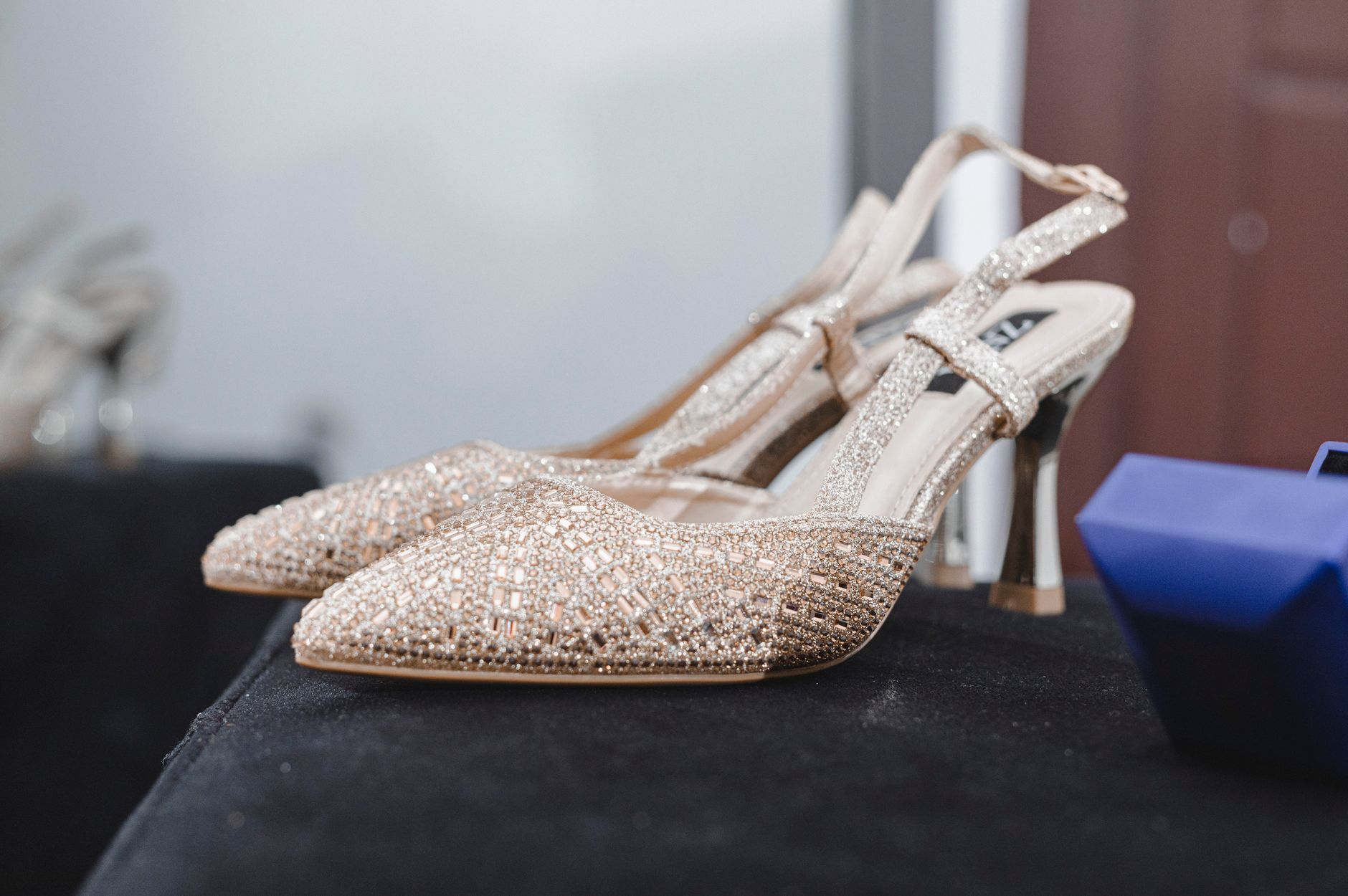
The visual signature of this emerging heel profile is a kind of controlled aggression. Where a classic block heel reads as planted and stable, and a conventional stiletto reads as precarious and defiant, the croquet spike heel reads as deliberate – like something installed rather than worn. The shaft narrows through its middle third before flaring almost imperceptibly at its tip, and that subtle geometry creates an optical effect where the shoe appears to be pressing into the floor rather than resting on it. It is a small distinction that carries significant presence from across a room.
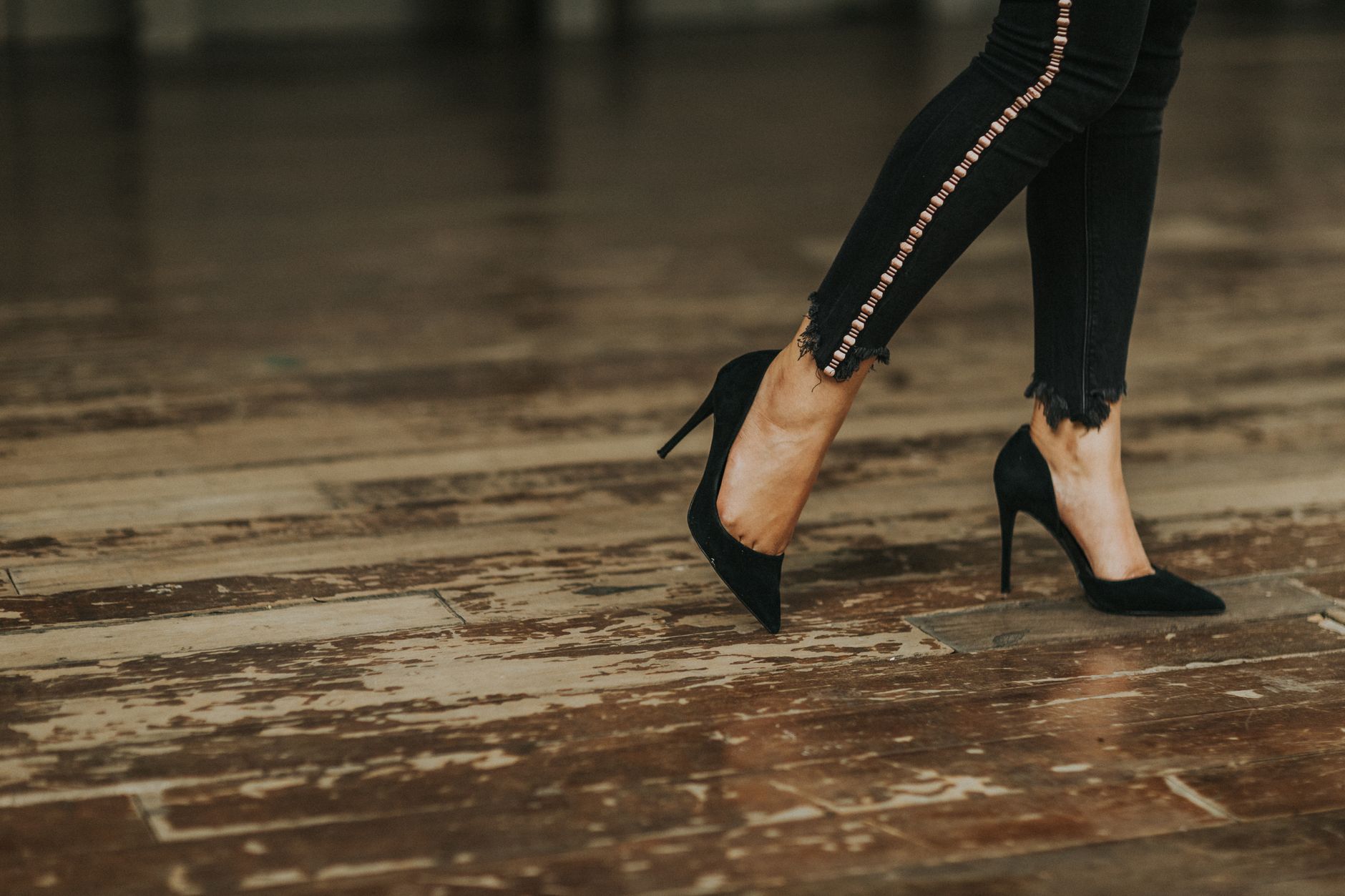
Styling the shoe around this heel construction is proving to be its own editorial conversation. The spike heel’s assertive base quality makes it resistant to overly delicate silhouettes – it competes with floaty fabrics and wins awkwardly. Where it works best is against structured trouser cuts with a strong break, or with midi-length skirts that offer enough visual weight to balance the heel’s purposeful geometry. The shoe itself becomes architectural in a way that demands equally considered dressing above the ankle. Designers who build toward this heel are finding that the rest of the look naturally sharpens in response.
Colorways trending alongside this construction lean toward the functional rather than the ornamental. Matte blacks, oxidized metals, raw concrete tones, and deep cordovan leathers are appearing in prototypes and early runway applications. The palette reinforces the idea that this is a shoe built around a structural argument, not a decorative one. When metallics do appear, they tend toward industrial finishes – brushed rather than polished, suggesting a tool that has been used rather than a trophy that has been displayed.
The Question the Heel Raises About What Comes Next
Fashion has borrowed from sporting equipment before – the stirrup’s influence on trouser strapping followed a similar path from functional hardware to structural detail – but the croquet spike’s migration into heel design is particularly interesting because the borrowing is not visual. Nobody wearing this heel will be mistaken for a croquet player. The reference lives entirely in the engineering logic, in the solved problem of how to make a narrow column perform under load without widening its footprint. That kind of invisible influence is harder to trace but longer-lasting, because it changes what the object can do rather than simply what it looks like. The question designers are sitting with now is whether the spike heel’s capacity to press and plant rather than simply stand will pull the entire silhouette into a more grounded, assertive direction – or whether the construction will remain a niche pursuit for architects of footwear who would rather solve a structural problem than chase a seasonal shape.
Frequently Asked Questions
What is a croquet hoop spike heel in fashion?
It refers to a heel design inspired by the tapered, spike-like geometry of croquet hoops, where the shaft narrows at mid-column and engages the ground with a wider contact base for improved stability.
What materials are used in spike-geometry heel construction?
Designers are using aerospace-grade aluminum and carbon fiber composites inside heel shafts to achieve compressive strength without adding visible bulk to the silhouette.