The Mallet Bag Gets Its Moment
Croquet has always carried a particular kind of coded elegance – white linen trousers on clipped lawns, wickets driven into pristine turf, the satisfying thwack of a mallet connecting with a painted wooden ball. The sport’s equipment, however, has largely stayed on the grass. Until now. The long cylindrical bag designed to carry croquet mallets – traditionally canvas, utilitarian, and entirely unremarkable – is being reinterpreted by a growing number of accessories designers as a structural template for a new generation of structured totes.
What’s driving this is a broader appetite for bags that look architectural rather than slouchy. The industry has spent several seasons watching soft, unstructured leather give way to rigid shapes – boxes, cylinders, half-moon frames – and the mallet bag fits neatly into that trajectory. Its proportions are unusual: elongated, upright, closed at the top with a firm clasp or drawstring, often reinforced at the base. Those same features that made it practical for hauling sporting equipment now make it visually striking as a carry-all for city life.
The silhouette is, almost counterintuitively, incredibly wearable.
Why the Shape Works
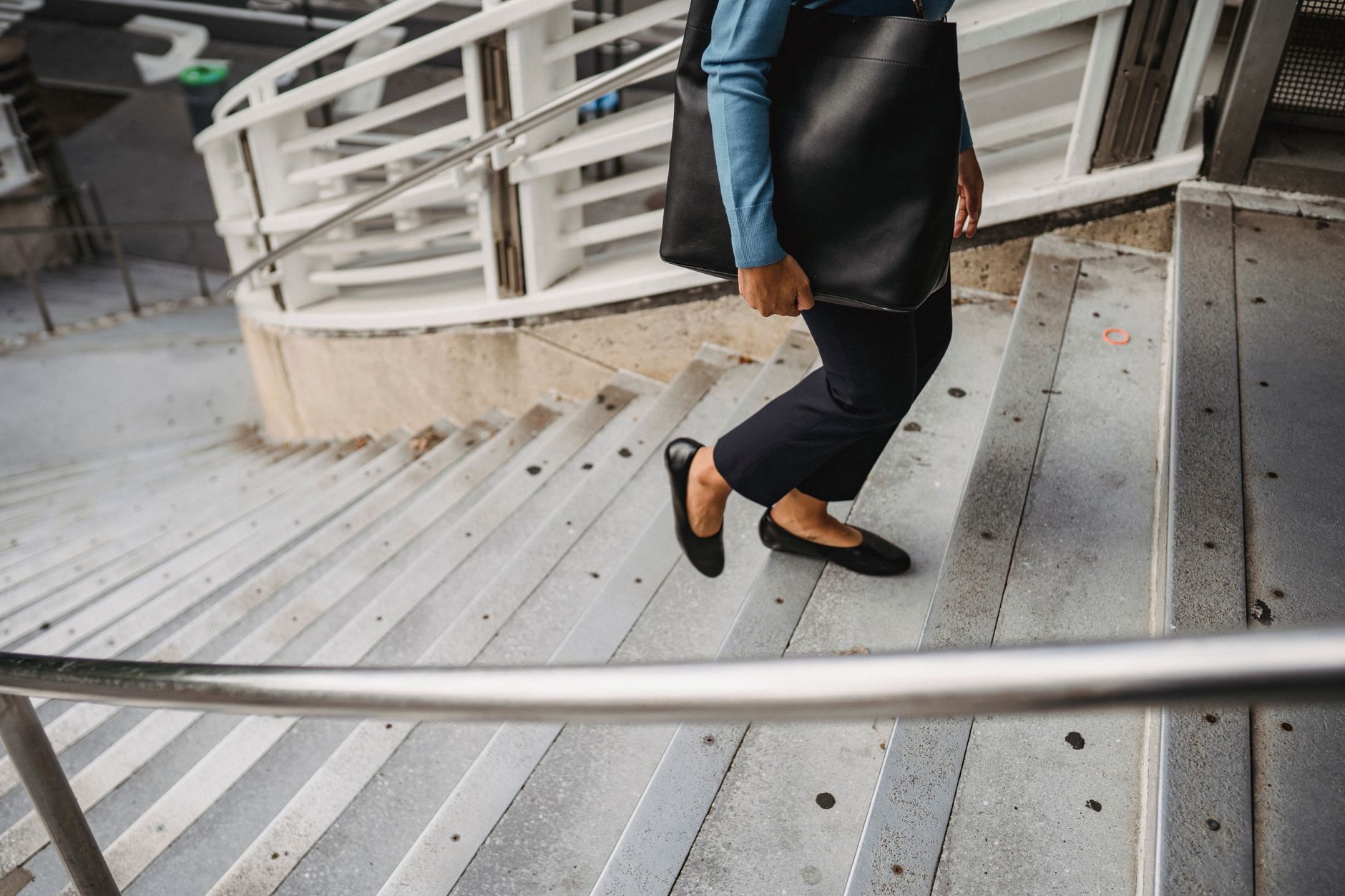
The mallet bag’s defining characteristic is its verticality. Unlike traditional totes, which spread horizontally across the hip, the mallet-inspired form rises upward, creating a long narrow column that hangs differently against the body. Worn over the shoulder on a short strap, it sits closer to the torso than a slouch bag would, which reads as more intentional, more composed. Carried by a top handle, it becomes something closer to a doctor’s bag or a structured satchel – commanding rather than casual.
Designers experimenting with the format are working primarily in rigid materials: vegetable-tanned leather, bonded canvas, structured nylon, and in a few cases, lacquered wicker and rattan. The cylinder shape lends itself to surface detailing in a way that flat tote panels do not. Stitched panels curve around the body of the bag, hardware placement becomes sculptural rather than functional, and the top closure – whether a buckled flap, a fitted lid, or a cinched drawstring – becomes the focal point of the whole piece. Some early iterations are recalling the quilted shoulder design language seen in polo-adjacent luxury accessories, applying that padded, sport-inflected aesthetic to the mallet bag’s cylindrical form.
There’s also a practical argument here that shouldn’t be ignored. A tall, narrow bag actually organizes contents more logically than a wide, open tote. Water bottles, umbrellas, rolled documents, and long-handled brushes fit without the usual excavation required to find them at the bottom of a cavernous shoulder bag. The bag doesn’t collapse on itself. It holds its shape on the floor beside a chair or on a table at lunch. Function and form are, in this case, genuinely aligned.
How Designers Are Interpreting It
The interpretations vary widely, which suggests this is still a trend in its early formation rather than a codified look. Some designers are staying close to the sporting source material – natural canvas with leather trim, brass hardware, visible stitching that references the hand-sewn quality of vintage sporting goods. These versions work as conversation pieces, clearly referencing their origin without being costumey. They photograph well against cobblestone and gravel paths, which has helped them find traction on style-oriented social media accounts dedicated to prep and heritage dressing.
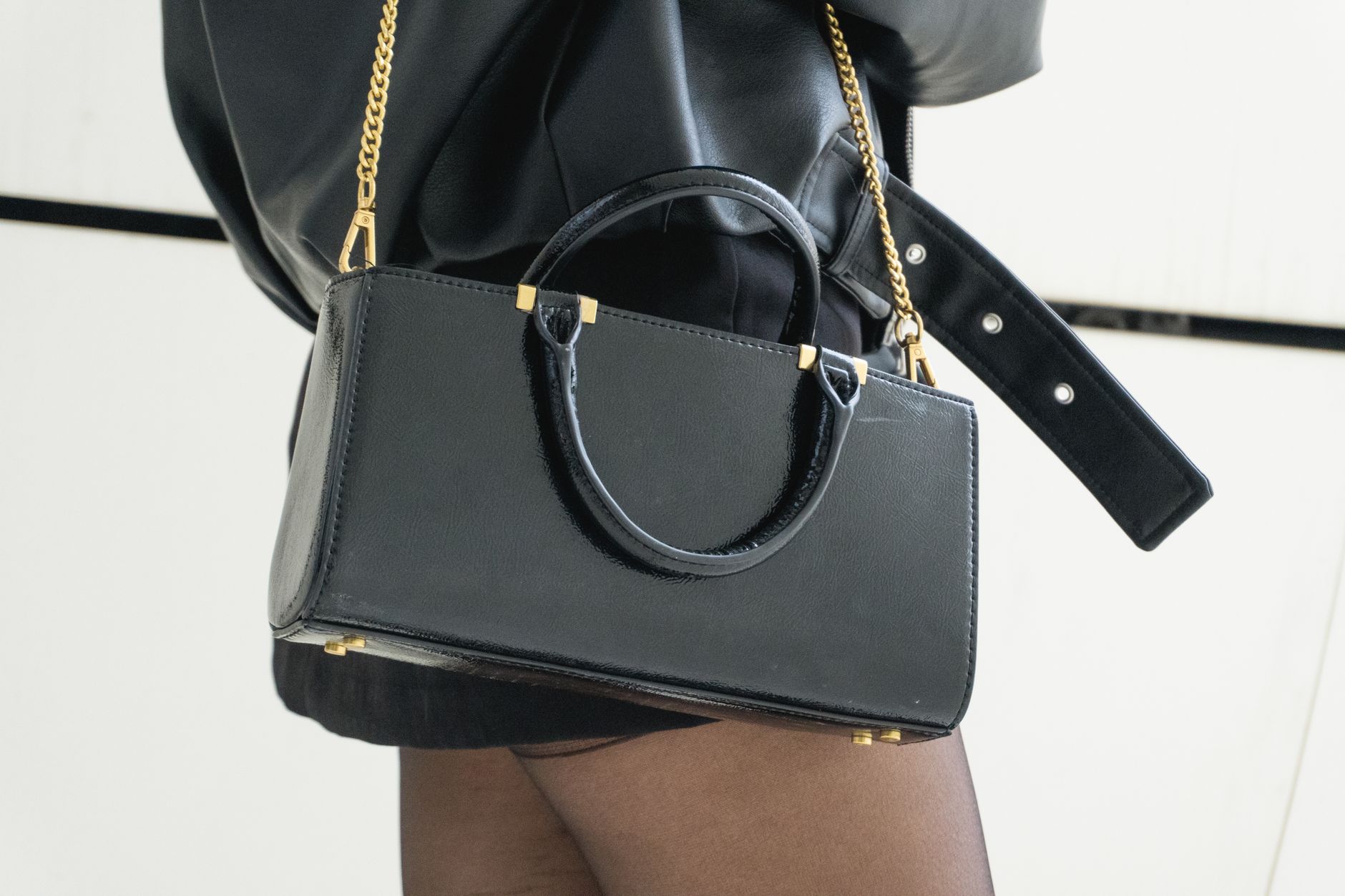
Other designers are moving further from the reference, using the mallet bag’s proportions as a loose starting point and then applying high-fashion finishes. Deep jewel-toned leathers, geometric cutouts along the side panels, detachable chain straps, interior compartments divided by taut fabric walls. In these versions, you wouldn’t necessarily make the croquet connection at all – the silhouette simply reads as structured and distinctive. That flexibility is probably the reason the shape is gaining traction rather than remaining a niche novelty.
Color is playing a role in pushing the bag toward mainstream acceptance. Natural and neutral versions – sand, olive, tobacco, ivory – move easily between casual and semi-formal contexts. But some of the more striking iterations are arriving in high-contrast combinations: navy with white piping, hunter green with cognac trim, black with cream interior lining visible through a loosened drawstring top. These color choices strip away any suggestion that the bag is trying too hard to be sporty and reposition it as something deliberately curated.
Where It Sits in the Wider Accessories Conversation
The mallet bag’s rise doesn’t exist in isolation. Accessories design has spent the last few years mining sport and recreation for structural templates – tennis bags with their double-zip compartments, archery quivers reinterpreted in suede, golf stand bags with their angular frames. What these borrowed forms share is a logic built around specific objects rather than abstract aesthetics. When a bag shape comes from a real-world function, it carries an inherent sense of purpose, and that purposefulness is exactly what makes it feel considered rather than arbitrary. The mallet bag, in its best current interpretations, is delivering that same sense of quiet authority – a bag that looks like it was designed for something specific, even when that something is now purely beside the point.
Frequently Asked Questions
What is a croquet mallet bag in fashion?
It refers to structured totes inspired by the long cylindrical bags used to carry croquet mallets, reinterpreted in high-fashion materials with rigid, upright silhouettes.
Why are cylindrical bag shapes trending in accessories?
Cylindrical and vertical bag shapes offer a sculptural, architectural quality that contrasts with soft slouch styles, and they function better for organizing long or upright items.