

When a Lawn Game Becomes a Design Language
Croquet is not a sport that typically inspires runway collections or jewelry cases. It belongs to a very specific visual world: striped blazers, well-kept grass, wooden mallets worn smooth by decades of use. But the mallet’s grip – that tightly wound section of twine or cord that gives a player purchase on polished hardwood – is quietly becoming one of fashion’s more unexpected structural references. Designers working in accessories, ready-to-wear, and even fine jewelry are pulling directly from this detail, translating its wrapped, layered tension into handle hardware, bracelet construction, and bag finishing.
The appeal is not nostalgia. It is geometry.
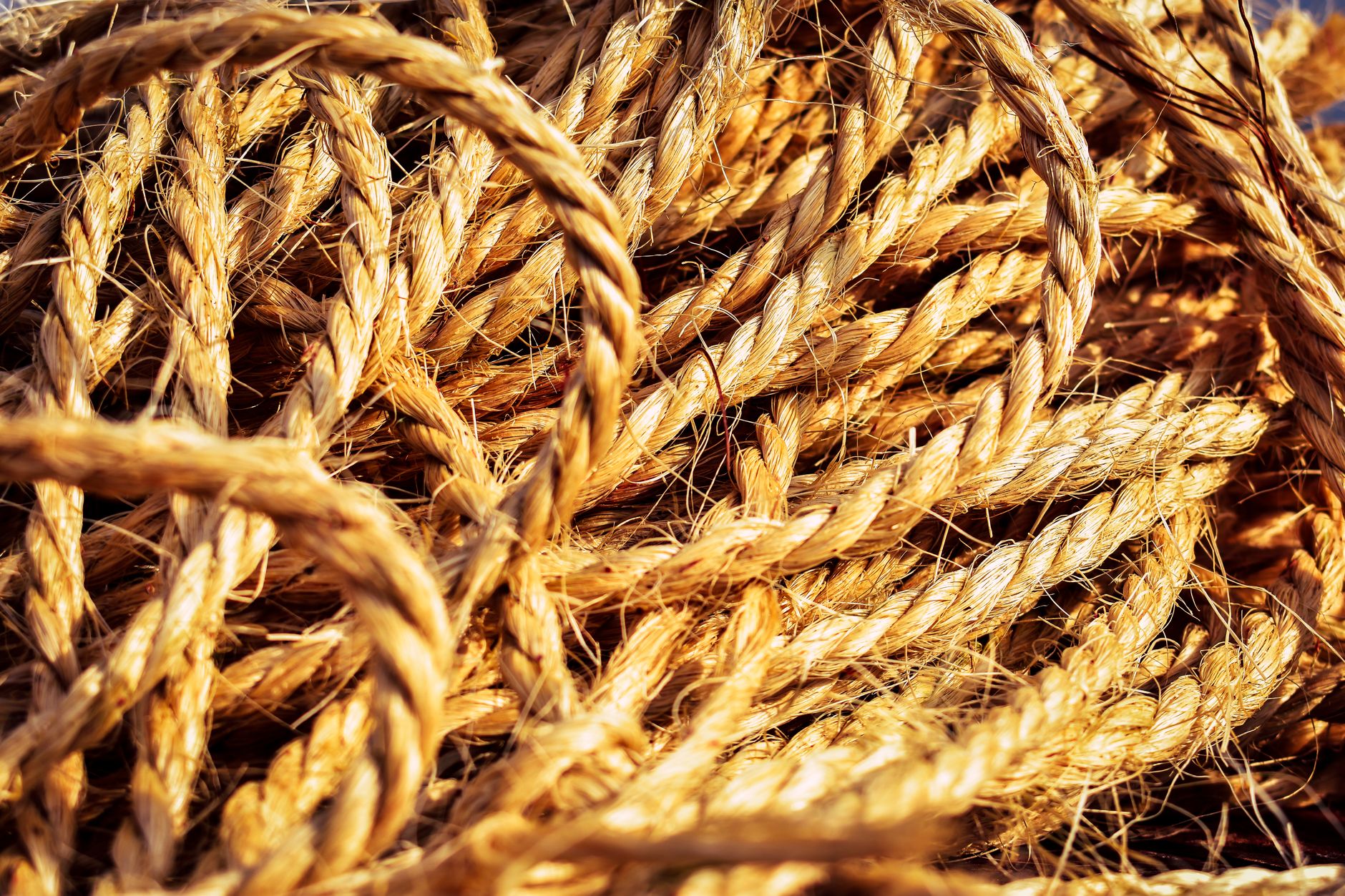
The mallet grip works because of how twine behaves under tension: wound tightly in close, even rows, it creates a ribbed surface that is both tactile and visually ordered. That combination – touch and structure together – is exactly what a growing number of accessories designers are chasing right now. The bag handles appearing across recent collections do not merely reference the grip. They replicate its logic: cord or leather wound in tight spirals around a rigid core, finished with a knot or ferrule at each end, creating something that looks architectural even before it is attached to anything.
The Handle as Focal Point
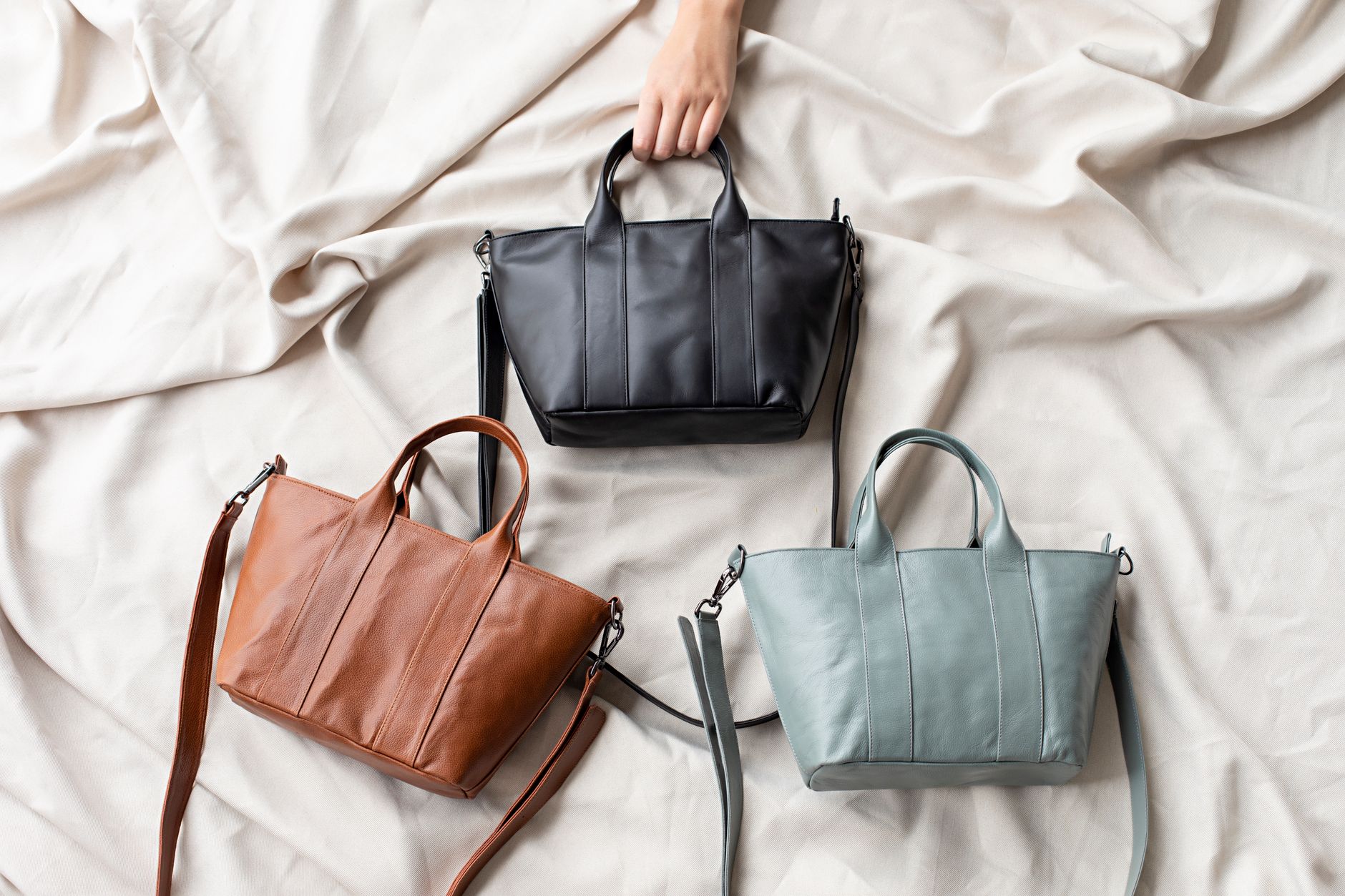
For several seasons, the handle was the last thing a bag designer thought about. Silhouette, hardware finish, closure mechanism – these came first. The handle was functional, minimal, resolved as quickly as possible. That has changed. Handles are now where a collection’s design philosophy gets expressed most directly. A wrapped grip communicates craft, materiality, and intentionality in a way that a flat strap cannot.
The croquet mallet grip translates particularly well into bag hardware because the source detail is already scaled for the hand. Mallet grips are designed for grip, for control, for the specific pressure a player exerts during a swing. That ergonomic origin gives wrapped handles a reason to exist beyond decoration – they sit differently in the hand, they compress slightly under weight, they read as considered rather than ornamental. Brands working in structured leather goods are finding that this construction also photographs well, with the ribbed texture catching light in ways that smooth leather or bare hardware cannot.
The wrapped handle has also crossed into jewelry, where the construction logic appears in cuff bracelets and ring shanks wound with fine cord, linen thread, or oxidized wire. The connection to sport-adjacent craftsmanship gives these pieces a referential weight that abstract minimalism often lacks. This movement shares some design DNA with polo club breastplate bib stitching, which has been surfacing in structured bib necklaces – both trends draw from the precise, functional stitching and binding techniques that equip sporting goods built to withstand real physical use.
Material Choices and What They Signal
Not all twine reads the same way. Natural jute or hemp cord carries a utilitarian, almost agrarian quality that shifts a bag or handle into craft territory. Waxed linen reads cleaner, more deliberate – it holds its wound rows sharply and resists fraying at the edges. Fine leather cord wound over a structured base pushes the reference upmarket, losing the sporting origin almost entirely in favor of a quietly luxurious finish. Each of these material choices tells a different story about what the designer is actually after.
Color plays an equally strong role. The original mallet grip is almost always neutral – natural cord, aged to a warm tan, sometimes darkened at the grip points from years of use. Designers leaning into the reference tend to honor this palette: ecru, raw linen, warm ivory, the occasional dark navy or forest green that nods to lawn game aesthetics without announcing them. Where the reference gets pushed furthest is in handles dyed to match a bag’s body, so the wrapped texture reads as a surface variation rather than a contrast detail – more architectural, less obviously borrowed.
Some emerging labels are going further, wrapping not just handles but full bag bodies or structural frame elements in the same cord technique. This pushes the croquet reference into the background entirely, making the wrapping itself the design – a choice that requires the construction to be nearly perfect, since there is nothing else in the piece to draw the eye away from imperfection.
Where This Goes Next
The more interesting question is whether the wrapped grip detail can hold its ground once it moves from early-adopter collections into wider production – because cord wrapping done carelessly, at scale, with inferior materials or inconsistent tension, becomes something entirely different: a costume detail, a shortcut, the kind of finish that reads as decoration rather than construction. The designers doing this well know exactly why the mallet grip works on a functional object, and they are applying that knowledge rather than just copying the look. The ones who cannot explain why the cord is there are usually the ones whose handles start to unravel by the third season.
Frequently Asked Questions
What is the croquet mallet grip trend in fashion?
Designers are borrowing the tightly wound cord grip of croquet mallets to create ribbed, structured handles on bags, bracelets, and other accessories.
What materials are used in wrapped handle accessories?
Common materials include waxed linen, natural jute, hemp cord, and fine leather cord wound tightly over a rigid core for an architectural finish.