When Sporting Equipment Becomes a Design Blueprint
Croquet mallet grip wrapping – the tightly wound leather, cord, or rubber binding that covers a mallet’s handle for control and comfort – has found an unlikely second life in fashion. Designers are lifting its structural logic directly: the repeating diagonal wrap, the compressed tension lines, the visible underlayer peeking through gaps in the binding. What began as a functional solution to slippage on a lawn is now informing how handles, straps, cuffs, and collars are constructed and finished across ready-to-wear and accessories.
The detail reads as both athletic and formal, which is exactly why it works right now. Croquet is coded as aristocratic leisure – Edwardian lawns, cream linens, unhurried afternoons – and that heritage carries a quiet authority that designers are eager to borrow. The grip wrapping itself sits at the intersection of craft and utility, precise enough to feel considered, functional enough to feel earned.
The Anatomy of the Wrap
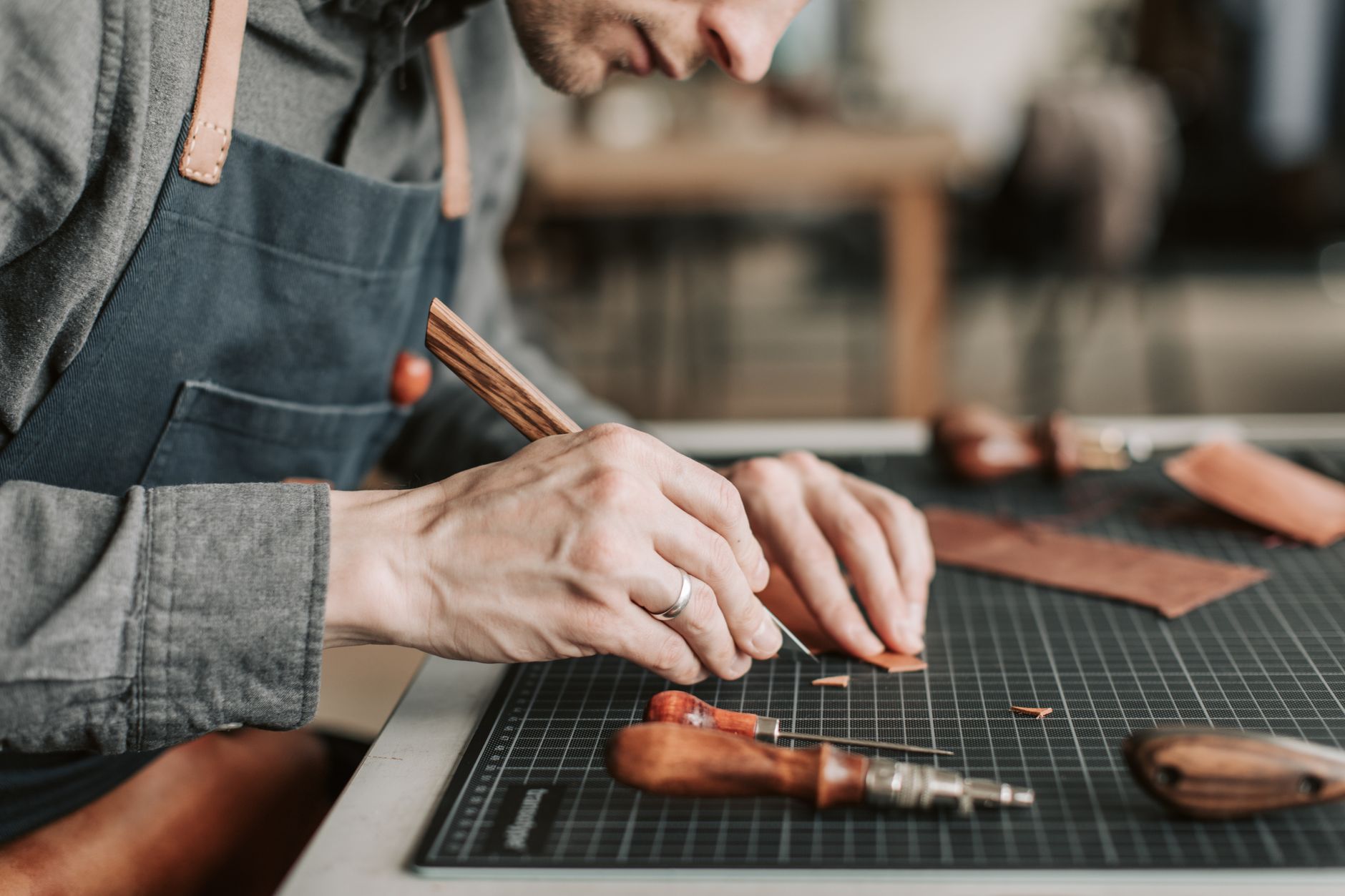
A traditional croquet mallet grip is wrapped in one of two ways: a continuous spiral that travels the full length of the handle, or a segmented binding that leaves deliberate gaps between sections. Both methods create a surface with visible tension – you can see how tight the wrap is, how the material compresses against itself, where it starts and where it terminates. That visual information is what fashion is borrowing most aggressively. Handles on structured bags are beginning to show wrapped leather in exactly this configuration, with the winding exposed rather than hidden under a smooth finish.
The termination points matter as much as the wrap itself. On a mallet, the end of the grip is typically finished with a knot, a metal ferrule, or a tucked binding that prevents unraveling. In fashion translations, those finishing details are becoming decorative hardware moments – small metal caps, exposed stitched ends, or cord knots that sit at the base of a handle like a punctuation mark. It is a level of visible craft that the market has been moving toward for several seasons, and the mallet grip gives designers a specific, historically grounded template to work from.
How the Detail Travels Across Categories
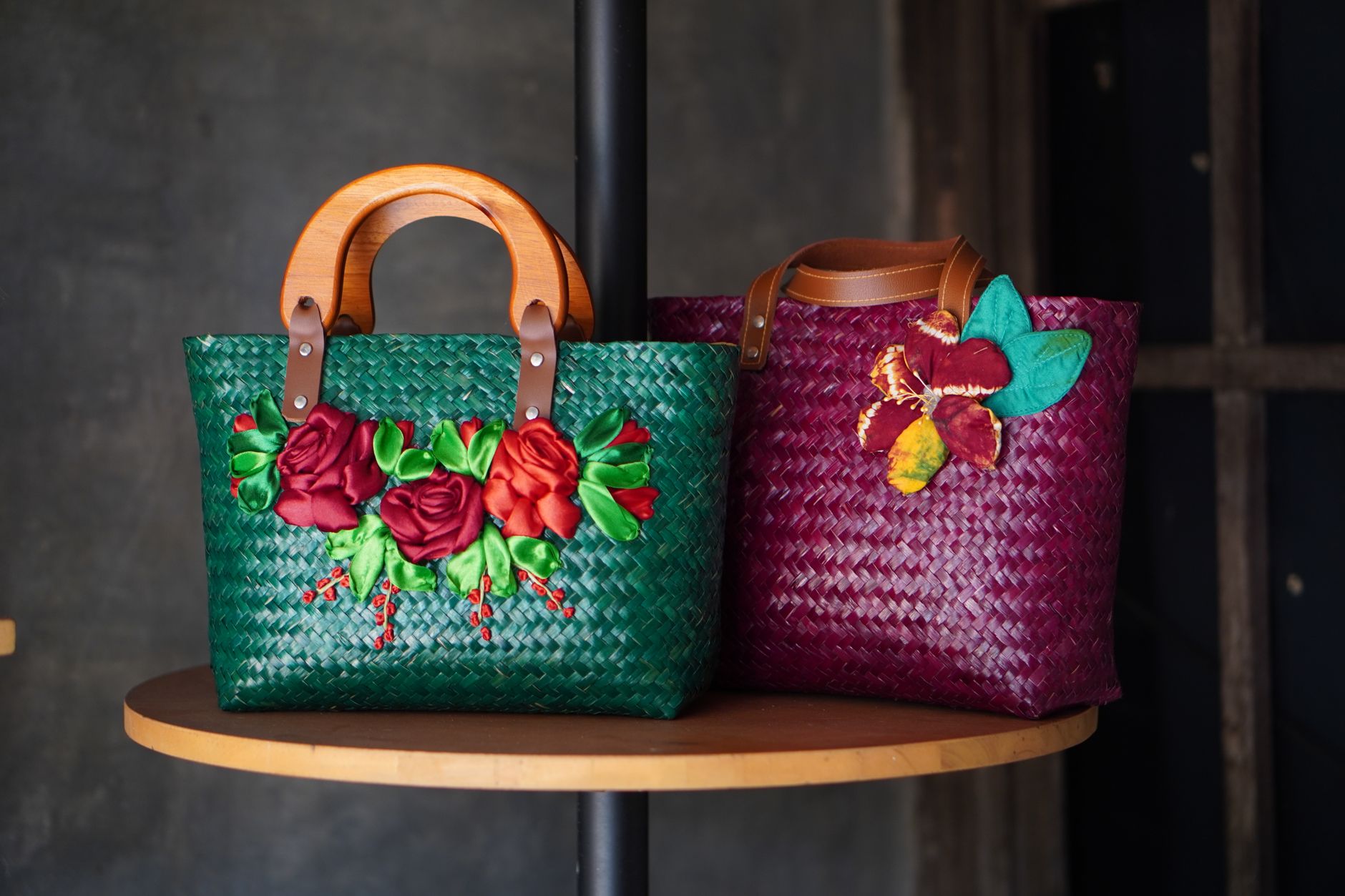
Bag handles are the most direct translation. A growing number of structured tote and top-handle silhouettes are appearing with grip-wrapped handles where the wrapping itself is the surface treatment – no outer casing, no uniform smooth leather shell. The winding is the finish. This creates handles that look demonstrably handmade, even when they are not, because the construction logic is so visible.
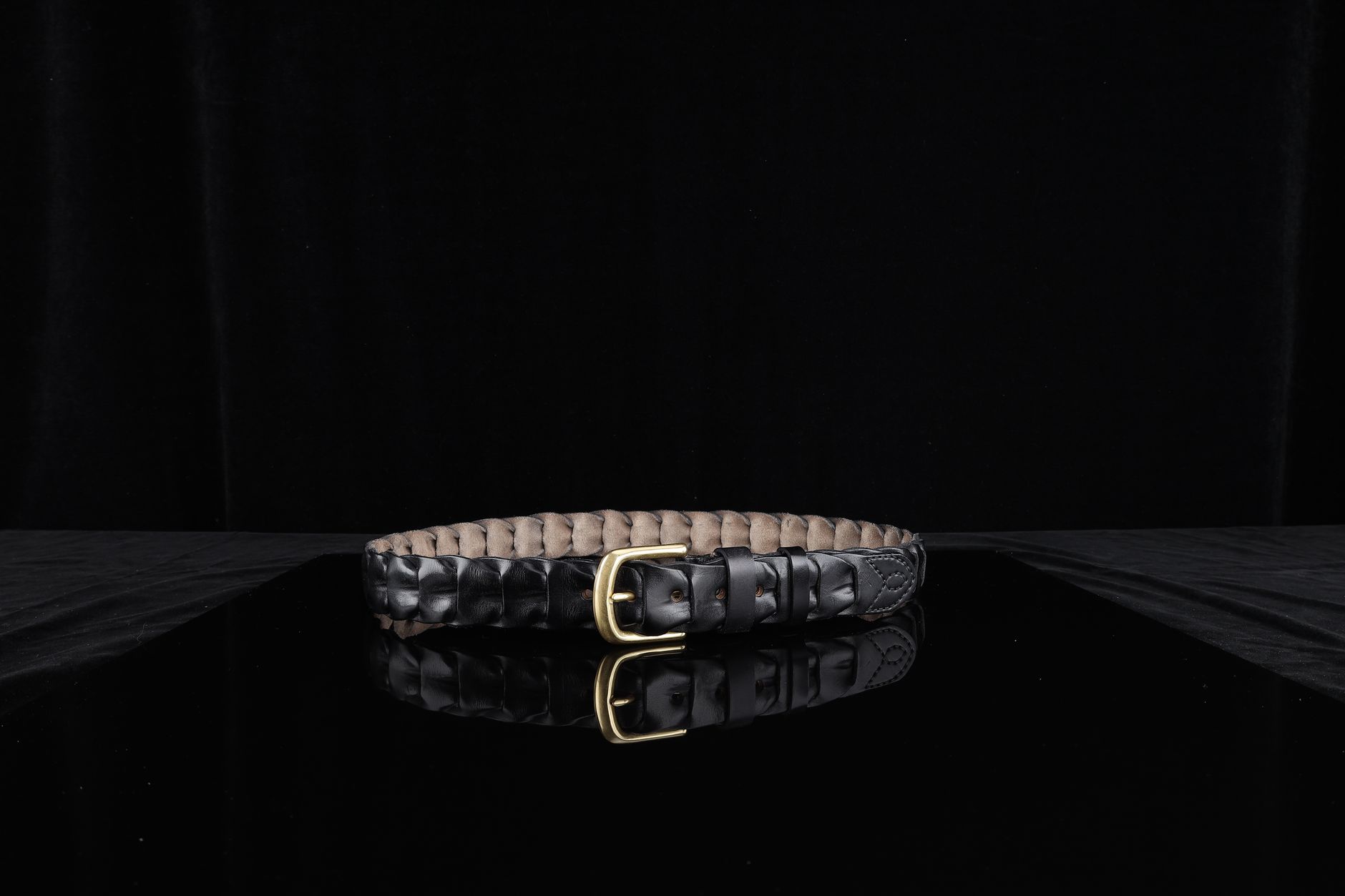
Belts are the second category absorbing the influence. Wrapped detailing is appearing on belt ends and at the buckle zone, using cord or narrow leather strips wound around the strap in the same diagonal pattern. The effect breaks the flat uniformity of a standard belt and adds a textural moment that sits differently from standard embossing or braiding. It is closer to binding than to decoration, which gives it a more structural reading on the body.
Cuffs and bracelet-width accessories are following a similar path. Wrap-style bracelets have existed for decades, but the current iteration is more rigid, more architecturally consistent with the mallet grip logic – the wrapping maintains even tension, the gaps between winds are uniform, and the finishing hardware is minimal but deliberate. Some designers working in the accessories space are treating the wrist the way equestrian design has long treated straps and handles, as a site for functional binding that happens to be beautiful. The polo world has already established how equestrian hardware details migrate from tack to jewelry, and the mallet grip is following the same path.
Footwear is the most surprising application. Some ankle boots and lace-up silhouettes are incorporating wrapped leather detailing around the ankle collar or heel counter – areas that structurally parallel the handle zone of a mallet. The wrapping here is mostly decorative but it anchors the shoe’s silhouette in a way that raw leather or fabric panels cannot. It adds weight visually without adding actual bulk, which is a difficult balance to strike in footwear construction.
Why This Reads as Luxury Right Now
The wrapped handle signals something that polish alone cannot communicate: the evidence of process. When a grip is wrapped, you are looking at time and decision-making made visible. Which direction the spiral runs, how tightly the material is wound, where the overlap sits – these are choices a maker made, and the object shows them. That visibility of craft is functioning as a luxury marker in a market that has become skeptical of surfaces that conceal how things are made.
There is also a material honesty to the technique. Wrapping works with leather cord, waxed cotton, rubber, and natural twine – all materials that age visibly and develop patina. That aging story is increasingly desirable in premium accessories, where buyers are thinking about longevity and character rather than pristine preservation. A wrapped handle that softens and darkens with use is telling a different story than one that cracks or peels.
The Designers Pulling This Forward
The movement is not centered in a single house or aesthetic camp. Smaller leather goods studios working at the craft end of the market adopted the wrapped handle first, treating it as an honest structural choice rather than a trend reference. From there the detail moved into mid-tier designer collections where it sits alongside other visible-construction details – exposed seams, raw edges, unlined interiors – that signal a rejection of over-finishing.
Larger houses are now beginning to integrate the grip-wrap logic into seasonal accessories, though typically with more refined material choices. Wrapped handles in fine nappa leather or silk cord read differently than the utilitarian rubber of a sporting mallet, but the structural template is consistent. The diagonal tension, the exposed termination, the tactile ridge of the winding – these survive the translation into luxury materials without losing their original meaning.
What makes the mallet grip particularly transferable as a design source is that it does not require a consumer to recognize the reference to respond to the result. A bag with a wrapped handle reads as interesting and well-made on its own terms. The croquet connection is a backstory for designers and editors, not a prerequisite for the object to communicate quality. That separation between source and effect is what gives craft-derived details staying power – they work even when nobody knows where they came from, and they reward closer attention for those who do.