


Where Fencing Meets Fashion
The fencing gauntlet has always been a study in functional architecture. Its wide, flared cuff – built to protect the wrist and forearm during competitive bouts – creates a silhouette that fashion has long circled but rarely borrowed directly. That calculation is changing. Structured glove hems are now pulling from the gauntlet’s most specific construction detail: the reinforced seam that runs along the cuff’s inner edge, giving it both rigidity and a clean, dramatic flare without the bulk of additional boning or interfacing.
This is not about costume or literal sport crossover. The translation happening across knitwear, leather goods, and evening wear collections is more architectural than referential. Designers are studying how the gauntlet seam distributes tension across a hem, holds a three-dimensional shape without internal support structures, and creates a finished edge that reads as intentional from every angle. The result is a new category of glove construction that sits somewhere between couture glove-making tradition and technical sportswear logic.
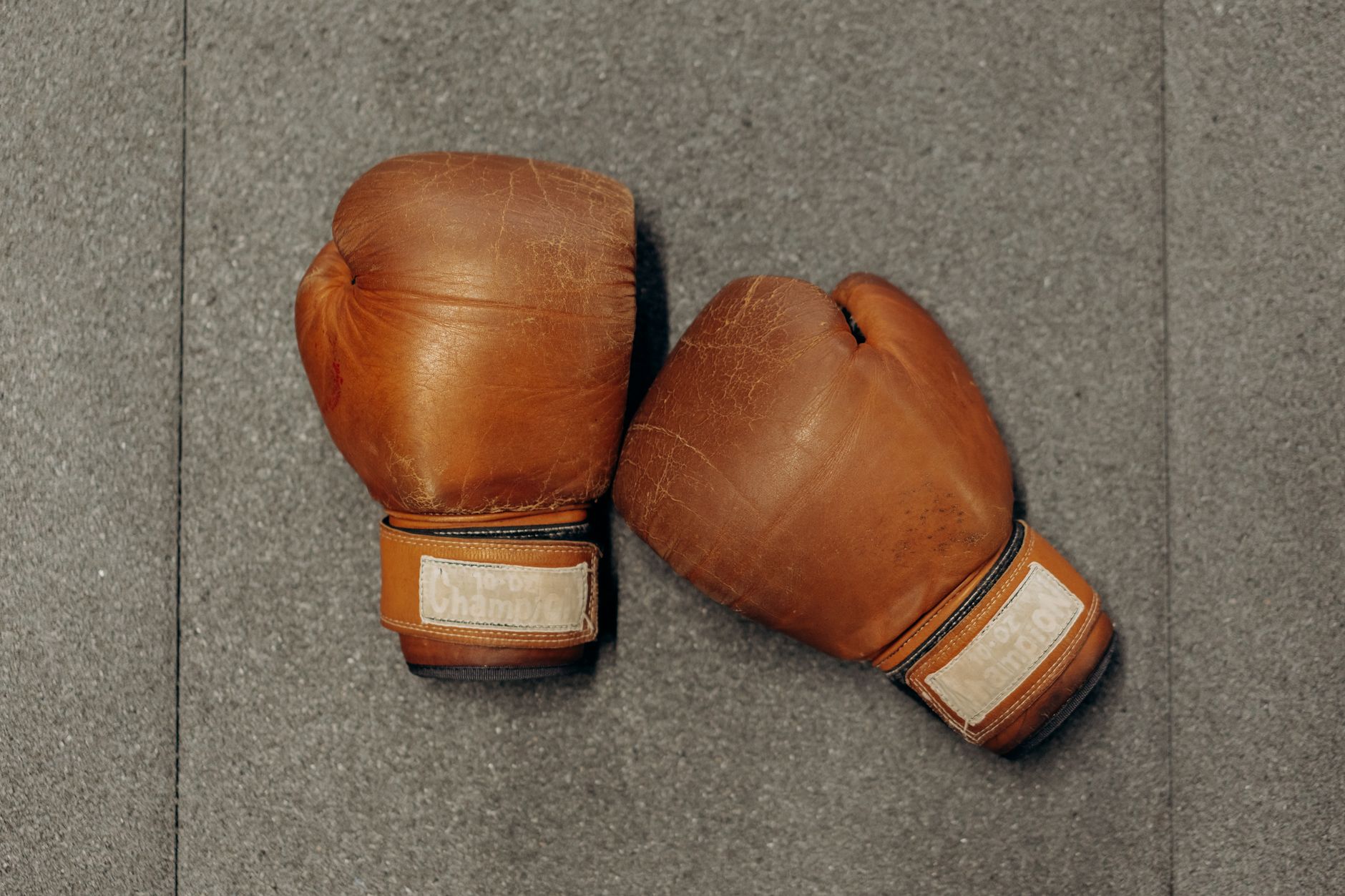
The Seam Itself: Why It Works
A standard glove hem closes flat. The gauntlet cuff seam does something different – it runs along a curved path and uses the tension of that curve to push the hem outward and hold it in space. The seam is not decorative. It is load-bearing in the structural sense, pulling the fabric into a shape it would not naturally hold. When this principle moves into fashion glove construction, it eliminates the need for wire or boning inserts that have traditionally stiffened dramatic cuffs, while producing a lighter, more wearable result.
The practical appeal for glove makers is significant. Boned or wired cuffs are fragile at the stress points where the support meets the fabric. They distort with wear, require careful storage, and often cannot be cleaned without damage. A gauntlet-seamed hem, by contrast, ages more predictably. The seam itself absorbs the structural work, so the surrounding material – whether leather, heavy silk, or boiled wool – stays closer to its natural behavior rather than fighting against hidden hardware.
There is also a silhouette argument. The wire-stiffened glove cuff reads visually as a prop, a theatrical element. The gauntlet seam reads as construction. The flare it produces has an organic quality, widening in response to the hand’s movement rather than holding a fixed shape regardless of context. This makes the resulting glove far more wearable across different body types and hand sizes, because the hem adjusts slightly rather than imposing a single fixed geometry.

How the Construction Transfers
Moving a seaming technique from protective sportswear into fashion gloves requires more than copying a line on a pattern. Fencing gauntlet construction uses heavy-duty materials – typically thick leather or reinforced synthetic fabrics – and the seam is sewn with industrial thread at high tension. Fashion applications have to re-engineer the same structural logic using materials that are lighter, softer, and often far more expensive per square inch. The challenge is achieving the same outward-curving tension without over-stressing a delicate fabric or creating a seam that visually overpowers a slim cuff.
The solution that has gained traction involves placing a narrow strip of firmer material – sometimes a thin strip of the same leather, sometimes a woven interfacing – along the inside of the seam allowance before the cuff is closed. This strip acts as a local stiffener only at the seam line, replicating the functional behavior of the gauntlet’s heavier construction without adding weight or rigidity to the rest of the cuff. The strip is completely hidden once the glove is finished. From the outside, the seam looks like a clean, sharp edge. From the inside, it behaves like a very small architectural beam.
Color and material choices are pushing this technique further into visibility at the editorial level. Some glove makers are using contrast stitching on the gauntlet-style seam – treating it as a design feature rather than a hidden construction element. When the seam runs in a contrasting thread color along the outer edge of a pale leather cuff, it draws the eye to the very detail that gives the glove its structure. This turns a functional seam into a signature, which is a move with clear precedent in tailoring but relatively new in glove construction.
The wrist-to-forearm proportion created by this seaming technique also interacts in useful ways with current sleeve lengths. With cropped jackets and three-quarter sleeves appearing regularly across both ready-to-wear and couture, the glove hem sits in a more visible zone than it has in decades. A gauntlet-seamed cuff that flares cleanly at the wrist creates a visual bracket at the end of the arm – framing the wrist in a way that a flat-hemmed glove never quite manages. This is partly why the technique is attracting attention from eveningwear designers who might not previously have considered glove construction a priority worth refining.

Material Choices Driving Adoption
Leather remains the most natural home for this technique, because leather’s relative stiffness already works with the seam’s tension rather than against it. Kid leather and lambskin – both thin enough to shape beautifully – respond well to the gauntlet seam construction when the interfacing strip is correctly scaled. The resulting cuff has a sculptural quality that stiffer leathers cannot produce and that softer fabrics struggle to maintain without additional support.
Stretch fabrics present a different set of problems. A gauntlet-seamed hem in a knit or stretch leather requires either a non-stretch interfacing strip, which will create a zone of restricted movement at the seam, or a carefully engineered stretch-compatible stiffener that is far harder to source and work with. This is one reason the technique has moved more slowly into the performance and athletic glove adjacent market, where stretch is often non-negotiable, and why the clearest expressions of the trend remain in formal, structured, and evening glove categories where movement at the wrist is less of a priority than silhouette.
What makes this moment interesting is that the glove category itself has enough runway to absorb serious construction experimentation. Gloves went through a long period of being purely functional or purely costume. The current appetite for considered accessories – pieces where construction detail is visible and intentional – gives gauntlet seam work a context that makes sense to the buyer. The question is whether the technique stays within the formal glove category or begins crossing into outerwear cuffs, structured sleeve hems, and the kind of tailoring-adjacent detailing where the logic of the seam could travel considerably further.