


When School Uniform Staples Go Runway
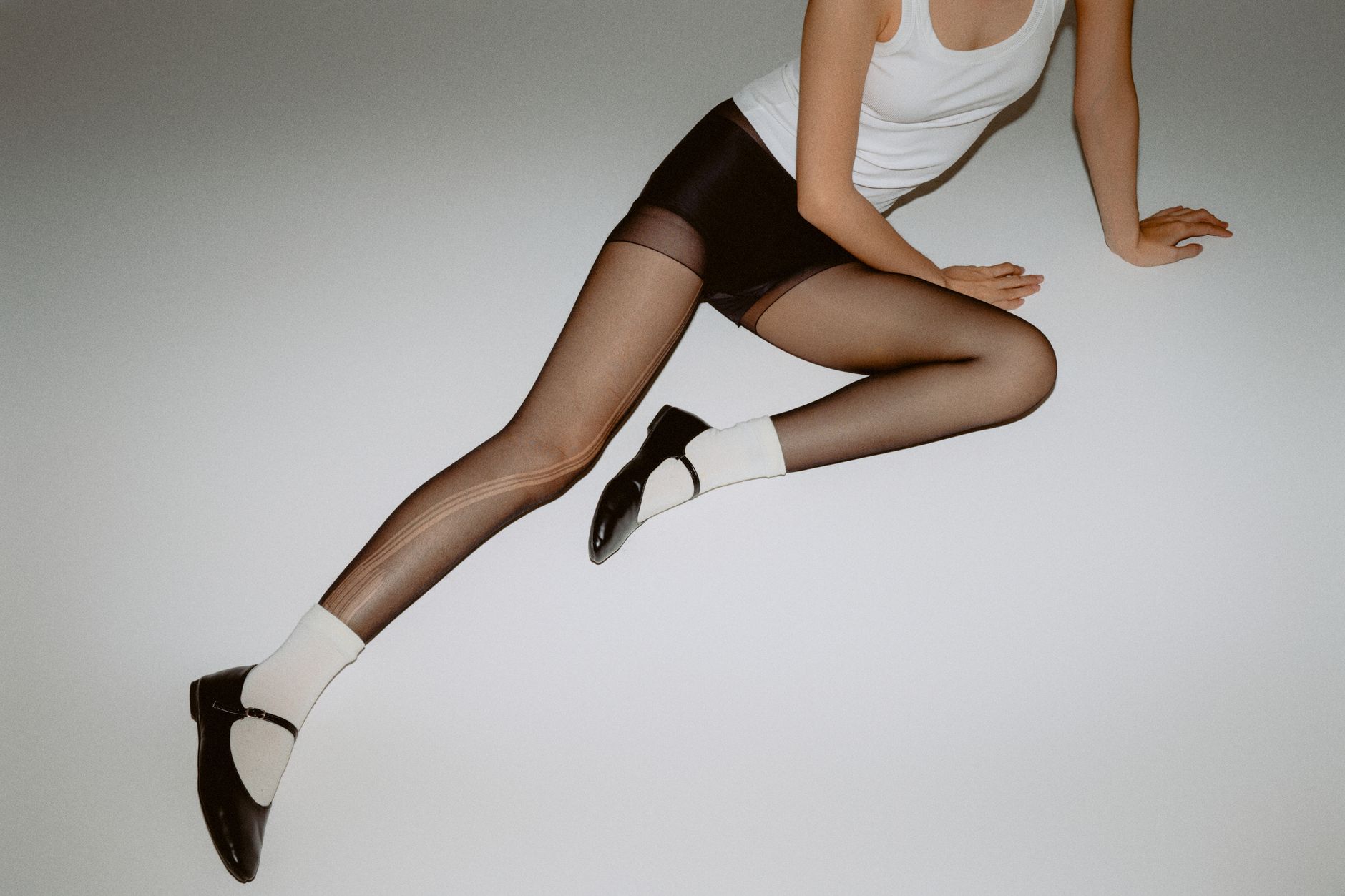
Pop socks – those thin, ankle-grazing nylon staples once associated with school dress codes and sensible office wear – are moving beyond their utilitarian origins. What was once a mandatory component of the Eton College uniform is now surfacing in sheer hosiery drops from brands paying close attention to the visual language of British prep. The silhouette is familiar, but the context has changed entirely.
The specific reference point here is deliberate. Eton’s uniform tradition carries a weight of cultural symbolism that fashion has always found irresistible – structured, hierarchical, quietly loaded with class signifiers. Pop socks, in that context, were never just legwear. They were part of a system, and that’s exactly what makes them interesting material for designers working in references right now.
The Sheer Hosiery Moment
Sheer hosiery has been building momentum for several seasons without ever arriving at a single defining moment. It exists as a slow accumulation – ultra-sheer tights reappearing on runways, bare-leg alternatives getting reconsidered, and now a growing interest in cropped, sock-cut styles that sit at the ankle rather than climbing the leg. The pop sock format fits that trajectory cleanly.
A number of independent hosiery labels and knitwear-adjacent brands have been releasing limited sheer sock styles in recent months, often in off-white, nude, and pale grey colorways that echo the specificity of school uniform palettes. These aren’t fashion socks with bright prints or athletic construction. They’re quiet, precise, and carry an almost archival quality in their simplicity. The restraint is the point.
What connects these drops is a shared aesthetic logic: sheer fabrication, minimal construction, and a cut that ends just at or slightly above the ankle. Some versions incorporate a subtle ribbed cuff that nods directly to the traditional Eton sock silhouette. Others go fully flat-knit, closer to a barely-there stocking in sock format. Both directions are circulating within the same broader aesthetic conversation about legwear that disappears into the outfit rather than announcing itself.

Why Eton Specifically
British institutional dress codes have a recurring presence in fashion’s reference pool, but the Eton aesthetic sits at a particular intersection of formality and youth that designers return to with real consistency. The pop sock was never glamorous within that tradition – it was functional, regulated, unremarkable. That’s precisely what makes it a useful starting point now. Fashion regularly pulls hardest at the things that were never meant to be looked at.
The current interest also connects to a wider reconsideration of British prep that’s been developing quietly across ready-to-wear and accessories. Boater hats, for instance, have been moving through summer millinery drops with a similar logic – taking a rigid institutional object and repositioning it within contemporary styling. Pop socks follow the same path, working through the uniform’s most overlooked details rather than its most obvious ones.
How the Styling Works
The appeal of the Eton-referenced pop sock in a current wardrobe context comes down to proportion. Worn with a longer skirt or wide-leg trouser that breaks at the ankle, a sheer sock in a skin-adjacent tone creates a near-invisible legwear layer – present enough to add refinement, neutral enough to disappear. It’s the opposite of the maximalist sock styling that dominated a few seasons ago, where visible hosiery was meant to be read as a deliberate statement. This version reads as considered restraint.
With cropped trousers and a low loafer or flat Mary Jane, the same sock reads slightly more directly as a uniform reference – the flash of sheer nylon above a leather shoe is recognizable as prep shorthand, particularly in ivory or pale grey. That dual functionality is part of what makes the format attractive to brands releasing capsule hosiery. One style can move across multiple styling registers without requiring adjustment.
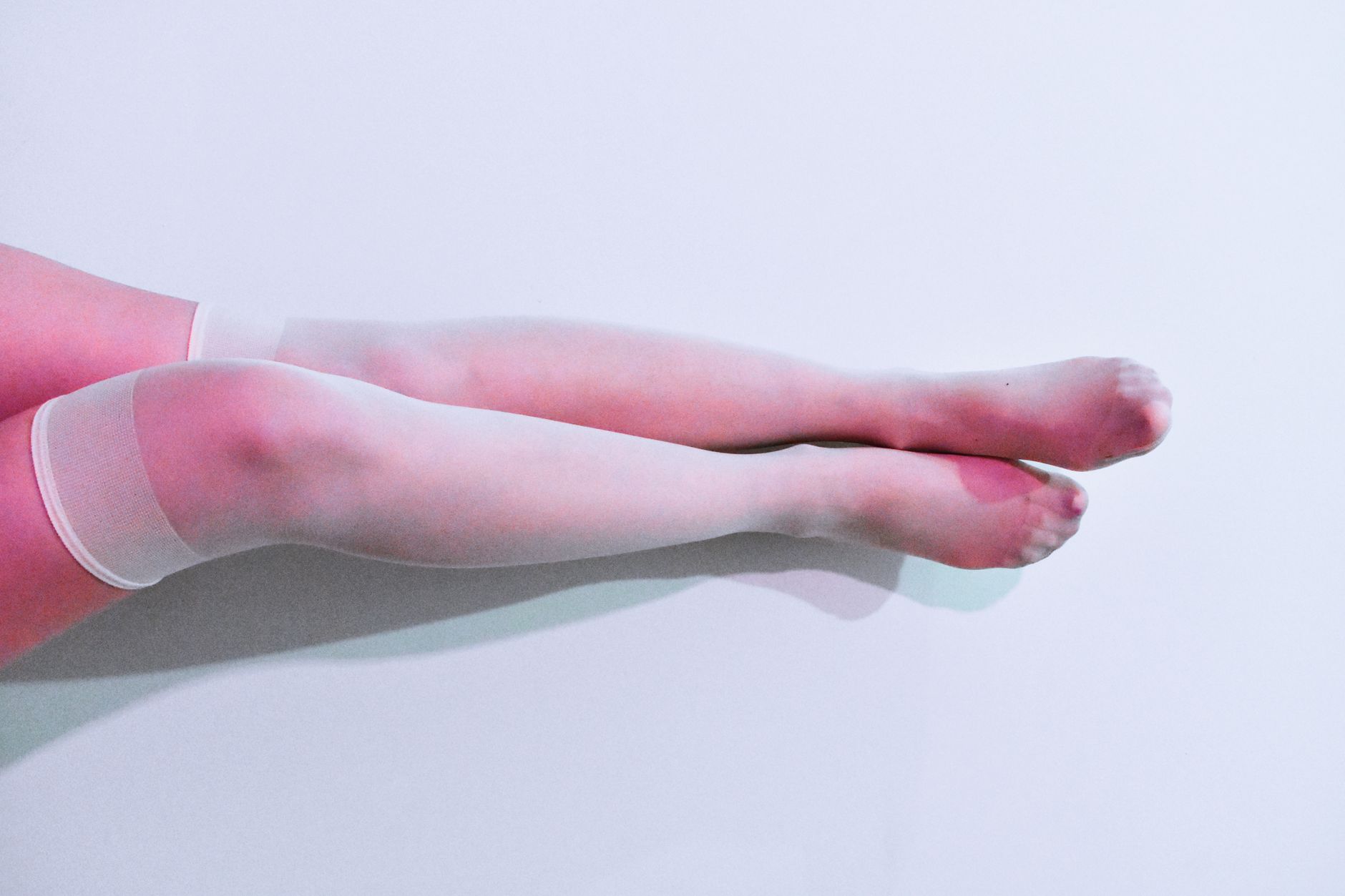
The fabrication choices in current drops reflect this versatility. Brands are working with very fine deniers – often in the 10 to 15 range – that give the sock a near-transparent appearance while maintaining enough structure to hold its shape at the ankle. Some styles incorporate a light reinforced toe and heel, a technical detail borrowed directly from traditional hosiery manufacturing that also happens to echo the construction logic of old school uniform socks. The reference and the craft land in the same place.
Colorways are staying tight. Ivory, ecru, barely-there nude, and occasionally a pale charcoal are dominating current drops. Black sheer versions exist but feel like a separate conversation – closer to evening hosiery than to the school-uniform reference point driving this particular wave. The most precise styling is happening in the pale neutrals, where the socks function almost as a second skin layer rather than an accessory in the conventional sense.
What remains unresolved is whether the format can hold its specificity as it scales. Pop socks are a genuinely democratic garment – widely available, low price point, already present in most wardrobes in some form. When fashion pulls a basic into a trend cycle, the original reference can get diluted quickly. The Eton coding works right now because the styling context is precise. The moment those sheer ankle socks start appearing in fast-fashion multipacks without that styling context, the reference loses its edge – and the question becomes whether the brands driving this wave can hold the line on restraint long enough to matter.