


The Accessory Nobody Noticed – Until Now
Sock garters occupy a strange corner of menswear history: functional, unglamorous, and associated almost exclusively with school uniforms and Edwardian morning dress. The Eton College variety – those narrow elastic bands worn just below the knee to hold up woolen knee-length socks – are so specific to a particular English institutional tradition that they barely registered as a fashion object at all. That is changing.
A growing number of luxury hosiery labels and independent accessories designers are looking at the sock garter not as a relic, but as a detail with genuine structural interest. The form is simple: a snug band, often with a small fastening element, worn at the calf. What Eton College codified as a uniform requirement, the current market is treating as a finishing touch worth crafting in fine materials.
The timing is not accidental.

Why the Garter Makes Sense Right Now
Menswear has spent several seasons moving toward what might be called deliberate dressing – the idea that every visible element of an outfit carries intent. Pocket squares, collar pins, and shirt studs drawn from Eton collar tradition have all found their way into contemporary tailoring conversations. Sock garters follow the same logic: they are small, precise, and signal a level of attention to dress that most people simply never reach. For a certain consumer, that specificity is the appeal.
There is also a practical argument that the garter has never quite lost. Over-the-calf socks in fine merino or silk blends are expensive, and they slip. A garter holds them in place, preserves the clean trouser break, and prevents that unflattering gather at the ankle that even quality hosiery can develop after hours of wear. Luxury brands entering this space are leaning into that functional story because it gives the product legitimacy beyond pure aesthetics. When a small accessory solves a real problem, it becomes easier to justify the price.
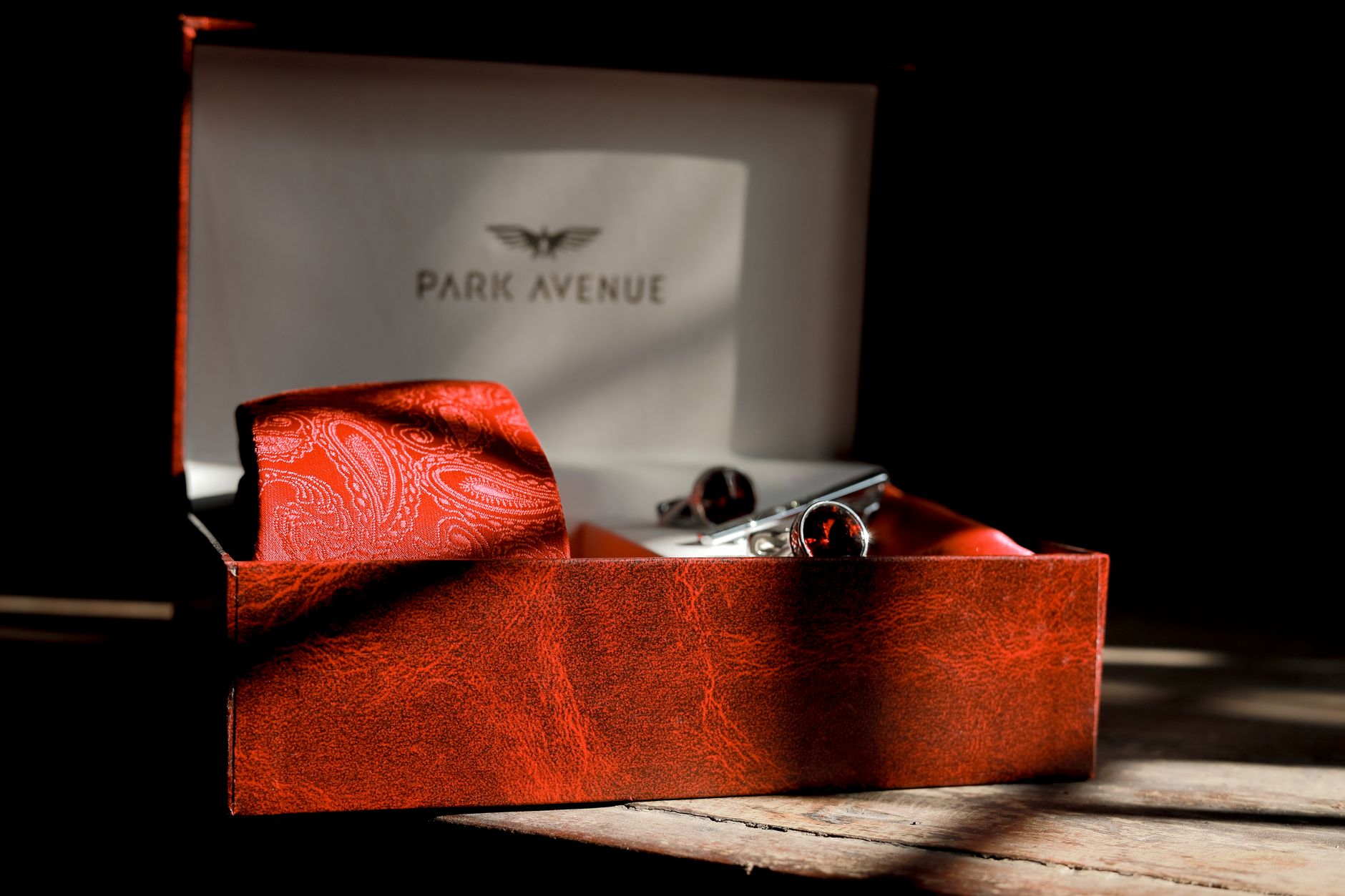
The materials being used for this revival tell their own story. Elastic webbing in silk-faced grosgrain, leather tabs with hand-finished edges, brass or silver-toned hardware – these are choices that push the sock garter well away from its utilitarian origins. Some independent makers are working with the same factories that produce braces and leather goods for the bespoke tailoring trade in London and Naples, which immediately frames the garter within a very specific luxury lineage. The object stays recognizable, but the material register shifts entirely.
How Hosiery Labels Are Approaching the Detail
The most interesting moves are happening at the intersection of hosiery and small leather goods. Rather than treating the garter as an afterthought – a loose elastic sold as an add-on – some labels are developing it as a coordinated system. A pair of fine merino socks arrives with a matched garter: same color family, complementary texture, hardware that echoes the brand’s existing aesthetic language. The effect is closer to a jewelry set than a functional accessory.
Styling choices matter enormously here. Worn under a suit with a traditional trouser break, the garter is invisible and purely functional. Worn with slightly cropped trousers, or with the deliberate exposure of the lower leg common in current tailoring, the garter becomes visible – and suddenly it is a statement. That flexibility is commercially smart. A product that works in two modes, one discreet and one conspicuous, appeals to a wider range of buyers than one designed for a single context.
The Eton association gives the whole category a useful cultural shorthand. British institutional dress – with its precise codes, its insistence on specific garments for specific occasions, its long history of elevating the mundane to the ceremonial – carries genuine cachet in luxury markets. Referencing Eton is not nostalgia for its own sake; it is a signal of historical depth and sartorial seriousness that resonates particularly well in markets where English tailoring tradition reads as the highest authority on menswear.
The Detail That Asks Something of the Wearer
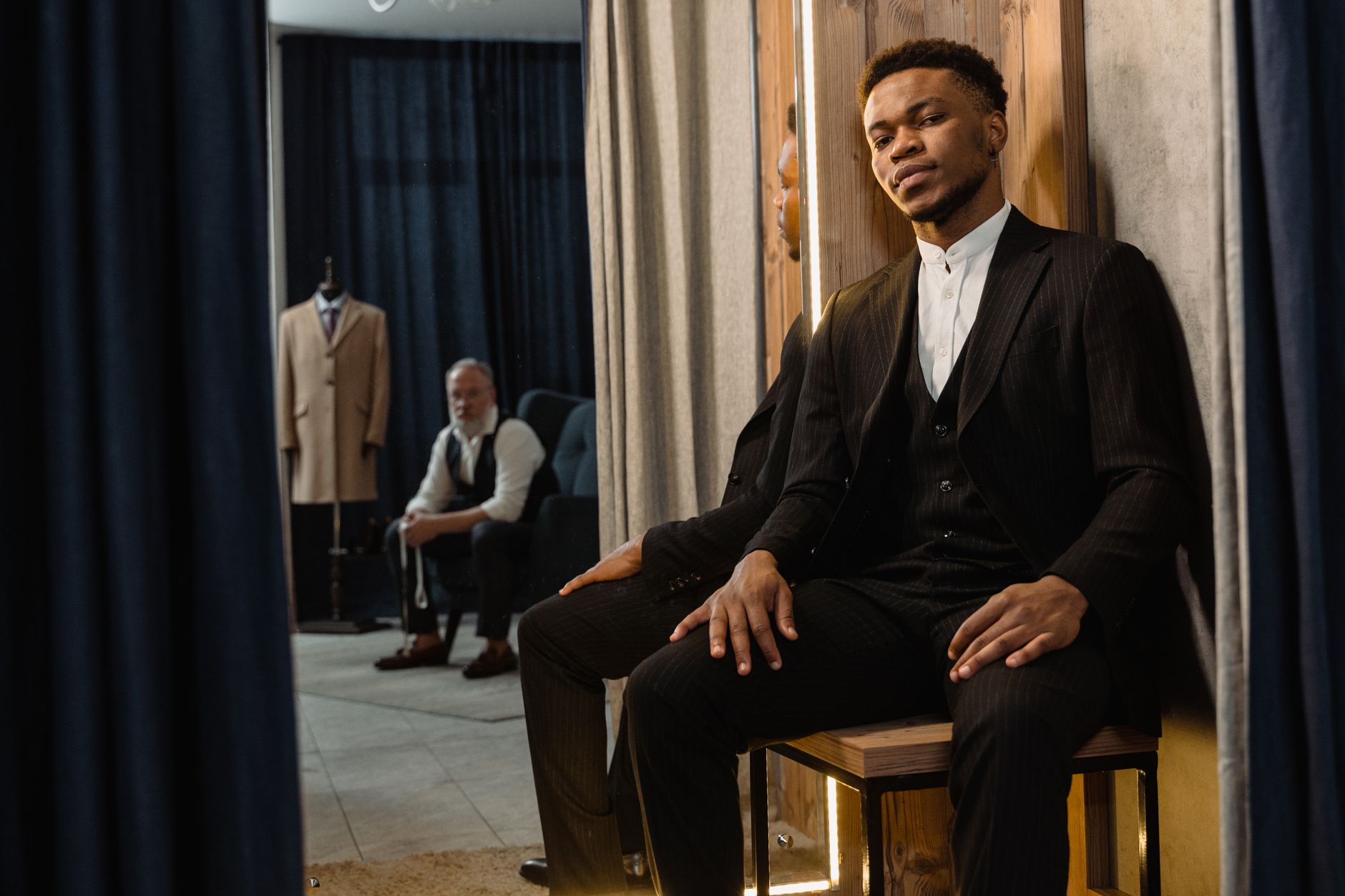
What makes the sock garter a genuinely interesting luxury proposition, rather than a novelty, is that it requires a certain commitment from whoever wears it. You cannot stumble into a sock garter the way you might put on a pocket square without thinking. It demands that you dress with enough care to also think about what is happening below your trouser hem – and whether that level of attention to a hidden detail is worth the effort is precisely the question that separates serious dressers from casual ones. The brands entering this space are betting that a growing number of men find the answer obvious.
Frequently Asked Questions
What are Eton College sock garters?
Sock garters are narrow elastic bands worn just below the knee to hold up knee-length woolen socks, traditionally part of the Eton College school uniform.
Why are sock garters appearing in luxury menswear now?
Luxury hosiery and accessories labels are crafting garters in fine materials like silk grosgrain and leather, positioning them as a precision finishing detail within tailored dressing.