


The Wall Game rouge posts at Eton College – those ancient, paint-worn wooden markers that define the playing field’s scoring zones – have spent centuries doing nothing more glamorous than standing in mud. Now, quietly and without any campaign to back it up, their particular shade of faded brick red is showing up in a wave of minimalist jewellery that feels less like trend-chasing and more like an aesthetic inevitability.

A Very Specific Red, and Why It Matters
Not all reds are equal in jewellery design. Crimson reads as theatrical. Cherry tips toward playful. The red of the Wall Game rouge posts sits in neither territory – it is a weathered, slightly orange-inflected brick tone that carries the quiet authority of something that has never tried to be noticed. That particular quality is exactly what draws minimalist designers toward it. The colour does not demand attention; it earns a second look.
Minimalist jewellery has spent the last several years in an almost monastic commitment to gold, silver, and the occasional oxidised black. The introduction of colour into that vocabulary has to clear a very high bar: it cannot look decorative for its own sake, and it cannot feel seasonal in the way that, say, cobalt or bubblegum pink do. The rouge post red clears that bar because it reads simultaneously as natural and architectural. It suggests clay, rust, iron oxide – materials with weight and age rather than trend cycles.
A growing number of independent jewellery studios, particularly those working in enamel and resin, have started referencing this tonal family without necessarily citing any collegiate source. The colour simply works within the restraint their collections demand. A thin enamel band ring in this shade sits against skin with the same low-key presence as an unpolished brass signet or a plain wire earring. It adds without overwhelming, which is the entire ambition of the minimalist category.
The institutional origins of the colour add something intangible but real. The Wall Game is one of the most obscure sporting rituals in English life – played on a narrow strip of ground beside a centuries-old wall, with rules so arcane that scoring is genuinely rare. The rouge posts mark those rare moments of achievement. There is something formally interesting about translating that kind of earned, almost reluctant significance into a piece of jewellery designed to be worn every day without explanation.
How the Colour Is Being Used
The most direct application is enamel – specifically, cold enamel and powder-coated surfaces on geometric forms. A flat rectangular pendant, a circular stud, a plain hoop with a single enamel section: these are the formats where the rouge post tone lands most convincingly. The geometry keeps the piece honest. Nothing about the form asks you to admire it; the colour is simply present, doing its work.
Resin is the second major material conversation. Some designers working in cast resin have been experimenting with layered translucency in this tonal range, building depth into what would otherwise be a flat colour. The result is a piece that shifts slightly in different light – darker in shadow, warmer in daylight – which mirrors the way the actual rouge posts look across the seasons. Paint that has aged unevenly across wood develops a visual complexity that solid colour never achieves, and translucent resin approximates that quality better than any opaque surface can.
Beyond colour and material, the shape language of the Wall Game’s physical environment is quietly influential. The posts themselves are simple vertical forms with a horizontal painted band. That geometry – a long proportion interrupted by a single mark – is appearing in bar earrings, column rings, and pendant designs where a thin horizontal element crosses a longer vertical one. It is not a direct copy; it is a structural logic absorbed and redistributed.
Sterling silver with rouge enamel detailing is perhaps the most wearable version of this direction. Silver’s coolness keeps the warmth of the red from tipping into rustic, and the combination reads as precise rather than earthy. It suits the kind of wardrobe built around clean tailoring and neutral separates – which is, not coincidentally, the same wardrobe that has been fuelling demand for minimalist jewellery generally. The colour works within that context because it does not compete with anything. It simply marks a point of interest, the way a rouge post marks a scoring zone against a wall of worn brick.
What the trend does not include is worth stating clearly. This is not about Eton branding or heritage cosplay. No crests, no shield motifs, no explicit institutional reference. The designers drawing from this visual territory are working abstractly – taking a colour temperature and a structural principle and leaving the source material behind. The jewellery does not ask the wearer to know anything about the Wall Game. It only asks them to notice a red that doesn’t behave like other reds.
The Longer Conversation
This direction connects to a wider interest in institutional colour as a design source – the specific, functional, unselfconscious shades that develop when colour is applied for practical rather than aesthetic reasons. Eton’s broader visual language has already influenced adjacent categories: the school’s boater hat ribbons have been informing minimalist headband design in a parallel conversation about stripe and proportion. The rouge post sits in the same family of sources – not because anyone is curating an Eton-inspired collection, but because the visual material is genuinely strong.
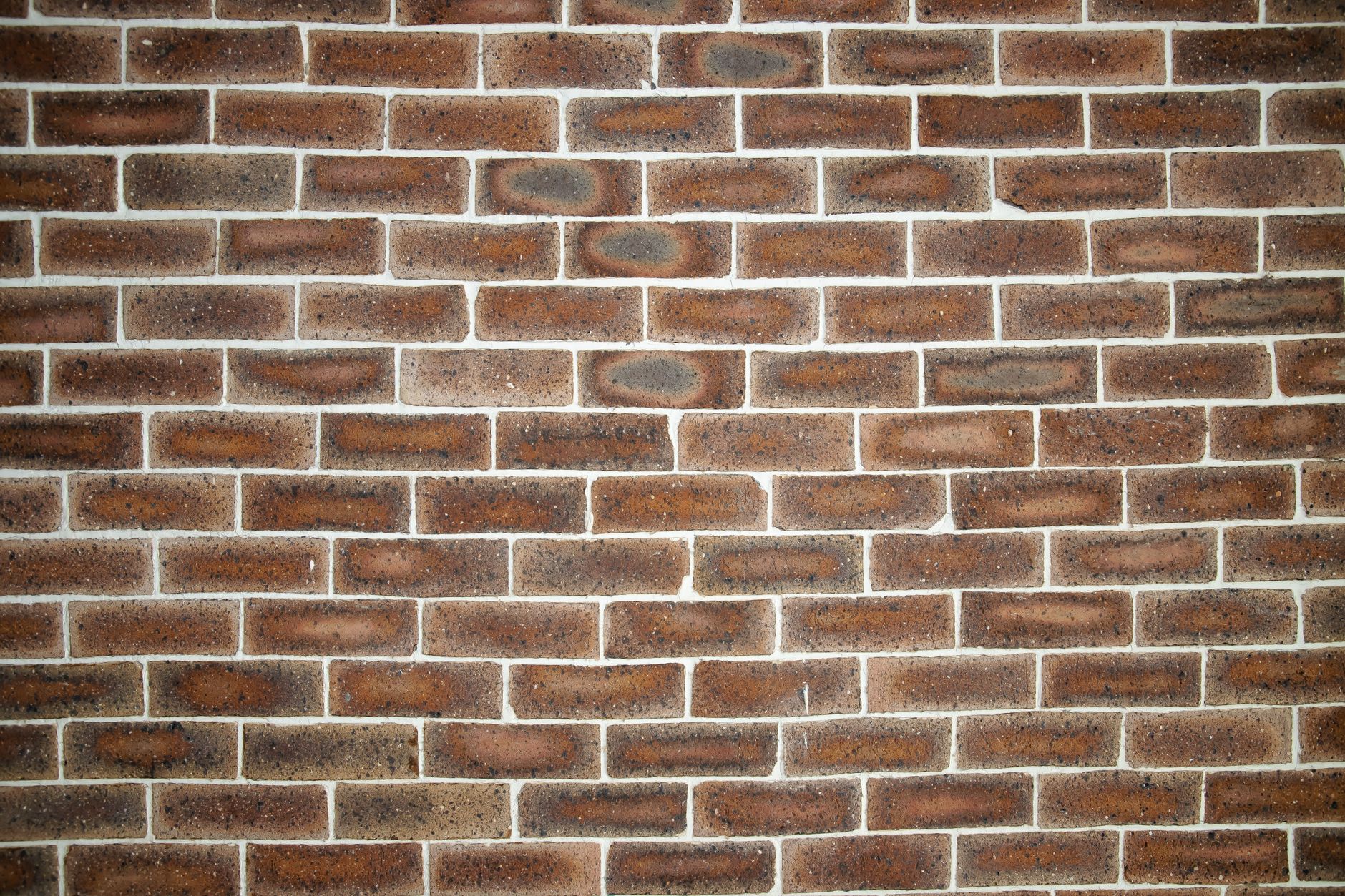
The durability question will determine how far this goes. Enamel chips. Resin scratches. The rouge post red, applied to materials that show wear honestly, may end up looking better with time – which would make it unusual in a jewellery market that mostly tries to resist ageing. A piece that develops a worn brick-red surface as the enamel weathers is either a problem or exactly the point, depending on your relationship with permanence.
Frequently Asked Questions
What colour are the Eton Wall Game rouge posts?
The rouge posts are painted in a weathered, orange-inflected brick red – a muted, aged tone distinct from brighter or more saturated reds.
How is the rouge post red being used in jewellery?
Designers are applying it primarily through cold enamel and translucent resin on geometric forms like bar earrings, column rings, and flat rectangular pendants.