


When Protective Gear Becomes a Design Reference
Fencing masks have never been subtle objects. The welded steel mesh that wraps the face of a competitive fencer is industrial by necessity – rigid, geometric, built to absorb force. That same visual logic is now showing up in structured visor hardware, where designers are pulling the hexagonal and square-grid mesh patterns out of the sport and pressing them directly into hat brims, headband frames, and cap frontpieces. The aesthetic reads as athletic and protective at once, which is exactly what makes it work outside the context it came from.
This is not a crossover that announces itself loudly. The fencing mask influence tends to arrive as a detail – a strip of rigid mesh set into a visor’s leading edge, or a full metal grid panel replacing what would traditionally be a solid foam-and-fabric brim. The result is a hat that looks like it belongs somewhere between a construction site and a runway, which is precisely the tension driving its momentum right now.
The Hardware Shift Happening in Structured Headwear
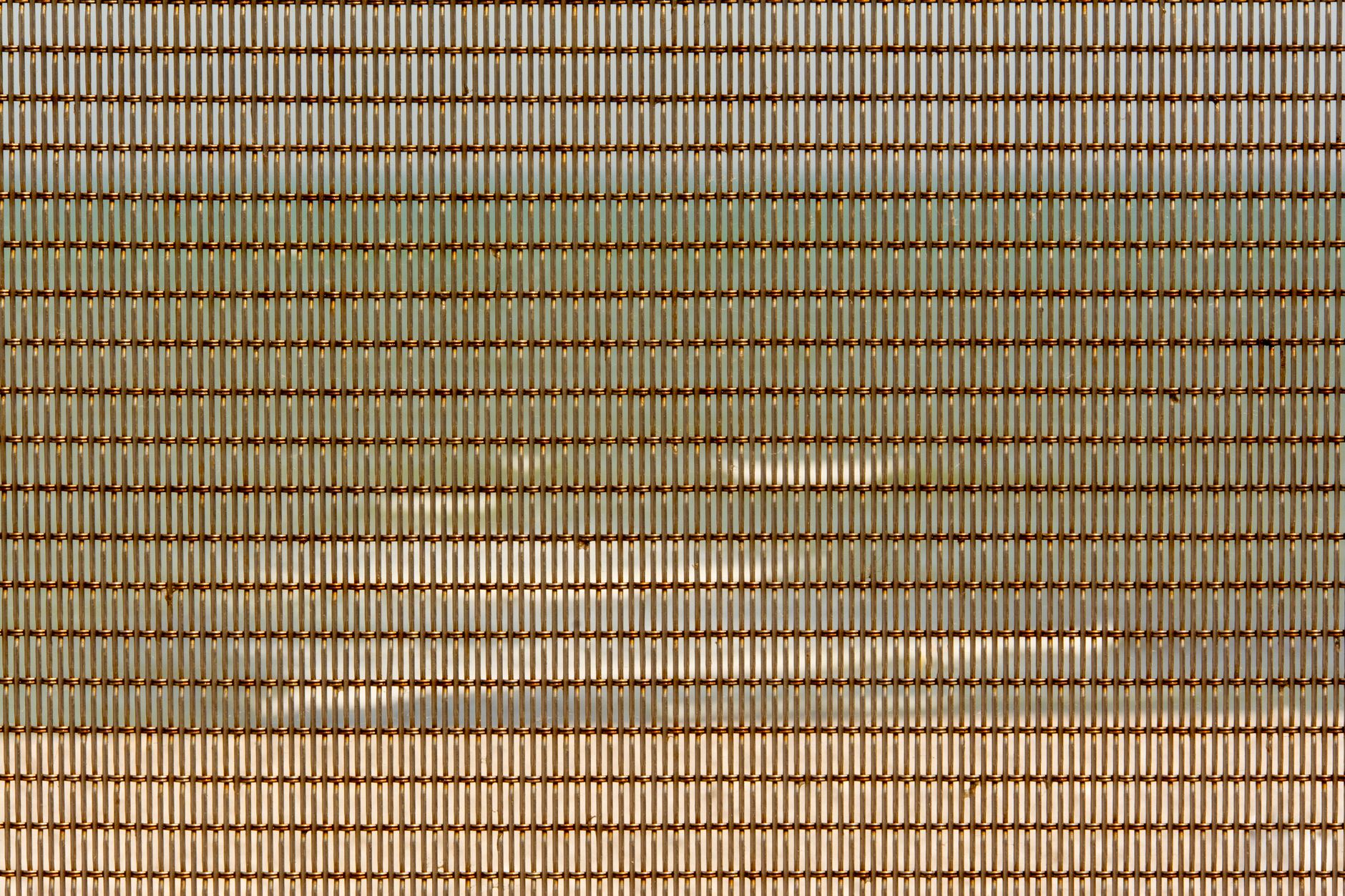
Structured visors have spent years cycling through the same construction logic: stiff front panel, embroidered logo, curved or flat brim. What is changing now is the material vocabulary of that front panel. A growing number of headwear designers – particularly those working at the intersection of sportswear and street fashion – are introducing metal mesh as a primary surface element rather than a decorative trim. The grid is not printed or woven into fabric. It is actual perforated or welded hardware, set into the brim so that light passes through it the way it does through a fencer’s mask.
The technical side of this matters more than it might seem. Metal mesh panels require different construction anchoring than fabric. They need reinforced edges to prevent flex stress from cracking seams, and the attachment points have to distribute tension across the grid rather than at a single stitch line. That engineering challenge is part of what has kept this detail in specialty production – and part of what gives finished pieces a weight and solidity that signals considered design rather than trend chasing.
The color palette landing alongside this hardware leans almost universally toward raw and industrial: uncoated steel, blackened iron oxide finishes, brushed aluminum. The mesh is not painted to match the hat. It is left to read as the material it actually is, which creates a deliberate contrast against the textile crown above it. That honesty about materiality is central to why the look reads as directional rather than gimmicky.

Why Fencing, Why Now
Fencing as a cultural reference point has had a quiet run of visibility in recent years. The sport carries a specific set of associations – European tradition, precision, a kind of controlled aggression – that appeal to the same audience interested in equestrian and polo-adjacent aesthetics in fashion. It is not surprising that the physical equipment of fencing would eventually follow that reference trail into wearable design, the way polo hardware has worked its way into everything from belt construction to lapel hardware.
The mask specifically translates well because it is already a face-framing object. Its proportions are designed around the human head, which means the mesh grid arrives in visor applications with a visual logic that already makes spatial sense. A flat panel of that same mesh across a brim does not feel random – it feels like something that belongs near a face, which is precisely where the fencing mask has always lived.

Where the Trend Is Landing
The clearest expression of this direction appears in independent headwear labels working in small production runs, where the cost and construction complexity of metal mesh panels is easier to absorb per unit. These are caps and visors sold through specialty retailers and direct-to-consumer drops, not mass market shelf product. The price points reflect the hardware – metal construction adds cost, and the market for this aesthetic is not shopping for value.
Broader sportswear brands have started testing the visual vocabulary without fully committing to the hardware. Perforated synthetic mesh – laser-cut or molded plastic – is appearing in visor frontpieces as a lower-cost translation of the same grid geometry. It reads as related to the fencing mask reference without requiring metal construction, which opens the aesthetic to higher-volume production. The distinction between the two approaches matters to the buyers who care about material authenticity, and those buyers absolutely notice the difference between welded steel and molded plastic, even at a glance.
Styling choices around these pieces tend to double down on the industrial tone. The visors appear alongside outerwear with visible hardware, technical trousers, and footwear with exposed structural elements. The fencing mask panel does not soften the look it anchors – it sharpens everything around it. That is a distinct design choice, and it limits where these pieces fit within a wardrobe. They are not transitional accessories that move between formal and casual contexts easily. They commit to a register and hold it.
What remains unresolved is how far the mesh panel travels up from the brim. Some prototypes circulating in the independent headwear space extend the grid across portions of the crown, which pushes the reference from detail to costume. At that scale, the fencing mask stops being a design influence and starts being a direct quotation – and whether the market reads that as bold or overwrought will determine where this construction logic finds its ceiling.
Frequently Asked Questions
What is the fencing mask mesh trend in fashion?
Designers are incorporating rigid metal mesh panels – modeled on fencing mask grids – into structured visor brims and headband frames, creating an industrial aesthetic distinct from traditional fabric headwear construction.
Are fencing mesh visors only from independent labels?
Currently most true metal mesh visor construction comes from small independent headwear labels. Larger sportswear brands are testing the look using perforated synthetic materials instead.