

When Sport Equipment Becomes Luxury Object
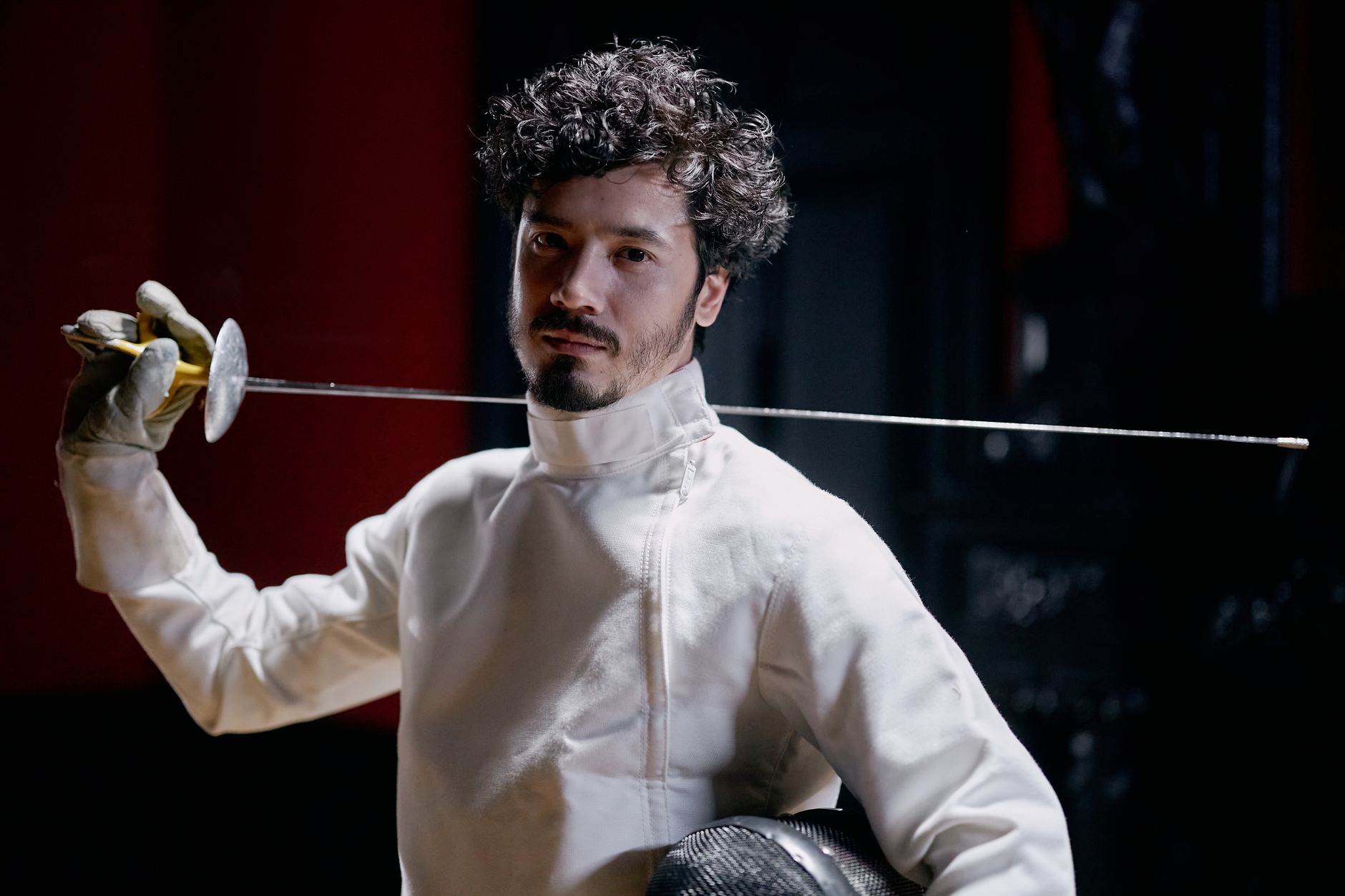
The épée pistol grip is not designed to be beautiful. It is designed to win. Engineered for the specific biomechanics of épée fencing – where finger control, wrist rotation, and point accuracy determine every touch – the grip curves and notches around the hand in ways that look almost alien out of context. Remove it from the piste, photograph it against raw linen, and it reads as sculpture. That is exactly what a growing number of accessories designers have started doing.
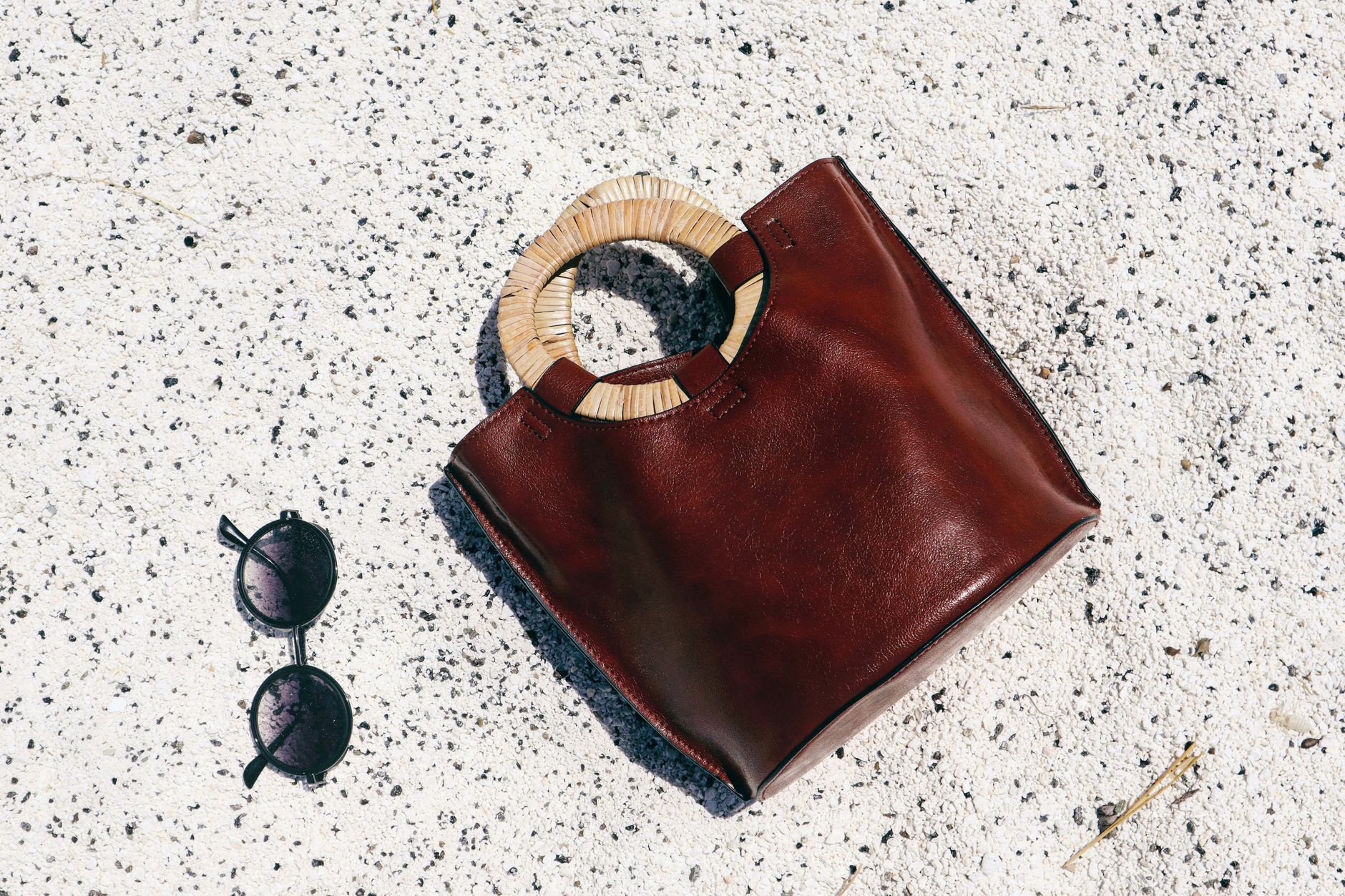
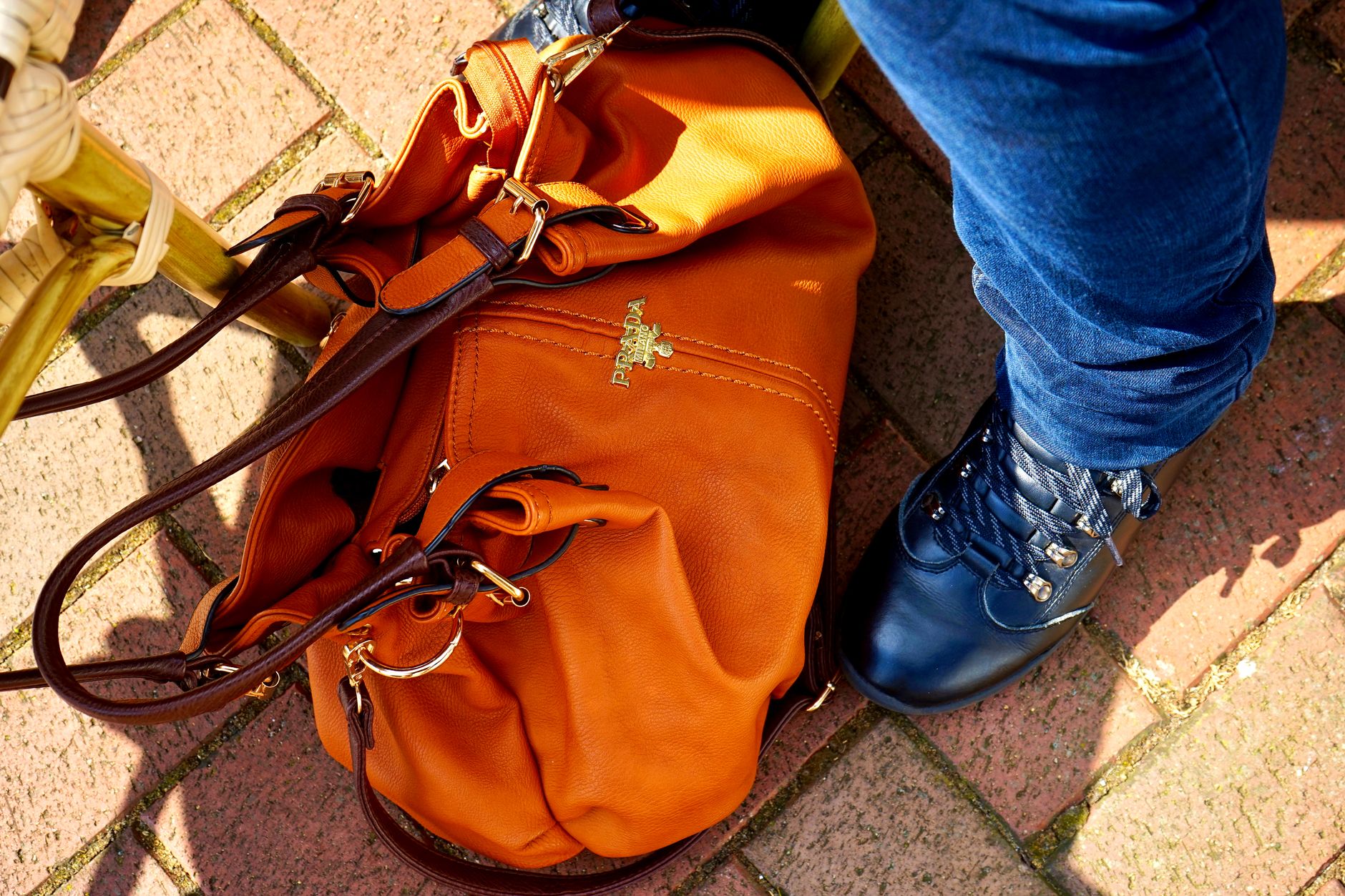
Across independent ateliers and a handful of forward-thinking accessories labels, the pistol grip’s distinctive silhouette is being reinterpreted as a bag handle. Not copied literally, but absorbed – its ergonomic ridges softened into thumb rests, its angled throat translated into a gently canted wrist position, its overall geometry borrowed to give structured bags something handcrafted and visually unfamiliar to hold onto. The result sits somewhere between functional object and gallery piece.
The Grip’s Design Logic
Standard épée pistol grips are made from a short, pistol-shaped body – typically wood, rubber, or composite – that positions the index finger above the blade’s line of attack. The shape allows the fencer to manipulate the point with the fingers rather than the whole arm, enabling the small, precise movements that define épée strategy. That mechanical logic is what makes the form so interesting to designers: the grip was built around the human hand’s natural resting position, not around aesthetics, which means it arrives already resolved as an object.
Where most bag handles are cylinders or flat bars – shapes that require the hand to adapt to the object – the pistol grip philosophy reverses that relationship. The object adapts to the hand. When translated into leather or resin for a bag handle, this produces something that feels unusually natural to carry, a quality that luxury accessories have always chased but rarely achieved through purely formal means.
Several designers working in small-batch production have noted that customers who encounter these handles in person frequently pick up the bag before reading any product description – the grip pulls the hand toward it instinctively. That kind of material conversation between object and body is difficult to engineer through conventional handle shapes, which is part of why the pistol form is spreading past its sporting origin point.
Sport Codes Moving Into Accessories
This is not the first time athletic equipment has influenced bag hardware. Climbing carabiners reappeared as bag clips years ago. Bicycle brake handles informed some brutalist leather goods from independent European makers. The pattern is consistent: a functional object reaches a level of design refinement within its sport context that eventually makes it legible as aesthetic language outside it. Fencing gear is simply later to that conversation than cycling or outdoor sports, possibly because the sport itself remains relatively niche in mainstream cultural visibility.
What distinguishes the pistol grip from previous sporting crossovers is the sculptural specificity of the form. A carabiner is geometric. A brake handle is essentially a lever. The pistol grip has character – the thumb rest, the angled knuckle bow position, the way the grip body flares slightly toward the pommel end. These details do not disappear when the object moves into fashion; they become the selling point.
How Designers Are Adapting the Form
The most direct adaptations retain the pistol grip’s hard material logic, using turned wood or cast resin to produce handles that attach to the bag body via a small bar or loop. The grip hangs free, allowing the wrist to settle into its natural carrying angle – somewhere between vertical and horizontal – rather than forcing the arm into a straight-down position. For structured totes and top-handle bags in the medium-to-large range, this is genuinely more comfortable over distance than a conventional rolled leather handle.
Other interpretations are more abstract, borrowing just the contour language. A leather handle that widens at the back, narrows at the throat, and incorporates a subtle thumb ridge is not a pistol grip in any technical sense, but its visual grammar comes directly from that source. These versions tend to sit more comfortably within existing luxury aesthetic codes – they read as refined hardware rather than sporting artifact – which makes them easier to integrate into a broader collection without conceptual explanation.
There is also a material conversation happening around finish. Sporting pistol grips are typically matte – rubber or wood left with grip-enhancing texture. When translated into high-gloss resin or burnished horn, the same form reads entirely differently. A few makers working in horn and bone have produced handles that would be unrecognizable as sport-derived without context, the pistol geometry absorbed into what looks like traditional artisan hardware. The source material disappears; the ergonomic intelligence stays.
What the trend points toward is a broader shift in how bag hardware is being approached at the independent and small-batch level. Standard hardware – the O-ring, the D-ring, the flat bar – is largely indistinguishable across makers and price points. A pistol grip handle is inherently specific, inherently proprietary-looking, and inherently strange enough to anchor a design identity on its own. That combination is worth more to a small label than any amount of logo placement.
The harder question is whether the form scales beyond independent production. Pistol grips work ergonomically because they are shaped to a hand – but whose hand? Grip sizing in fencing already varies between manufacturers, and a handle contoured for one hand position may feel awkward in another. A luxury house producing a bag in significant volume cannot resolve that problem the way a small atelier can, where handles might be offered in two or three sizes, or fitted individually. The sculptural appeal of the form is clear. Whether the function survives mass production is less certain.