


When Kayaking Hardware Meets the Handbag
The cockpit rim toggle is not a glamorous object. Molded from nylon or polypropylene, looped through a short bungee or cord, it sits at the edge of a kayak’s cockpit opening to help paddlers grip, lift, and carry their boats. Functional to its core, it was designed for wet hands, cold water, and the kind of physical stress that would destroy a decorative pull within minutes. That utilitarian pedigree is precisely why accessory designers are reaching for it now.
A quiet movement is running through the handbag and small leather goods market: pulls, tabs, and closures inspired directly by kayak cockpit rim toggles. The shape – a flattened or cylindrical loop, often with a slightly ridged grip surface, attached via a short tether to a zipper head or flap closure – is showing up on everything from nylon totes to structured leather clutches. It reads as athletic, almost anonymous, until you look closely enough to recognize the water-sport source.

What Makes the Toggle Worth Stealing
The toggle’s appeal to accessory designers is not purely visual. Its geometry solves a real problem: how do you add a pull that works with a gloved hand, a wet finger, or a bag crammed into an overhead bin without adding bulk or visual noise? The cockpit rim toggle answers all three. Its loop format means grip comes from any angle, not just a pinch. Its short tether keeps it close to the zipper head rather than dangling free. The whole assembly is rarely more than four centimeters long.
Minimalist design has been moving away from ornamental hardware for several seasons. Polished gold rings and embossed leather pulls carry a certain aesthetic weight that conflicts with the cleaner direction many contemporary brands are chasing. The toggle sits in a different category – it signals function rather than decoration, which, in the current appetite for utilitarian chic, reads as more honest and more considered.
The material conversation is equally important. Cockpit toggles on actual kayaks are injection-molded for durability and UV resistance. Fashion adaptations are appearing in matte nylon, rubberized ABS, and even machined aluminum, each material choice shifting the toggle’s register slightly – from sportswear-adjacent to near-industrial. Some interpretations retain the ridged grip texture of the original; others smooth it out for a cleaner silhouette while keeping the loop-and-tether structure intact.
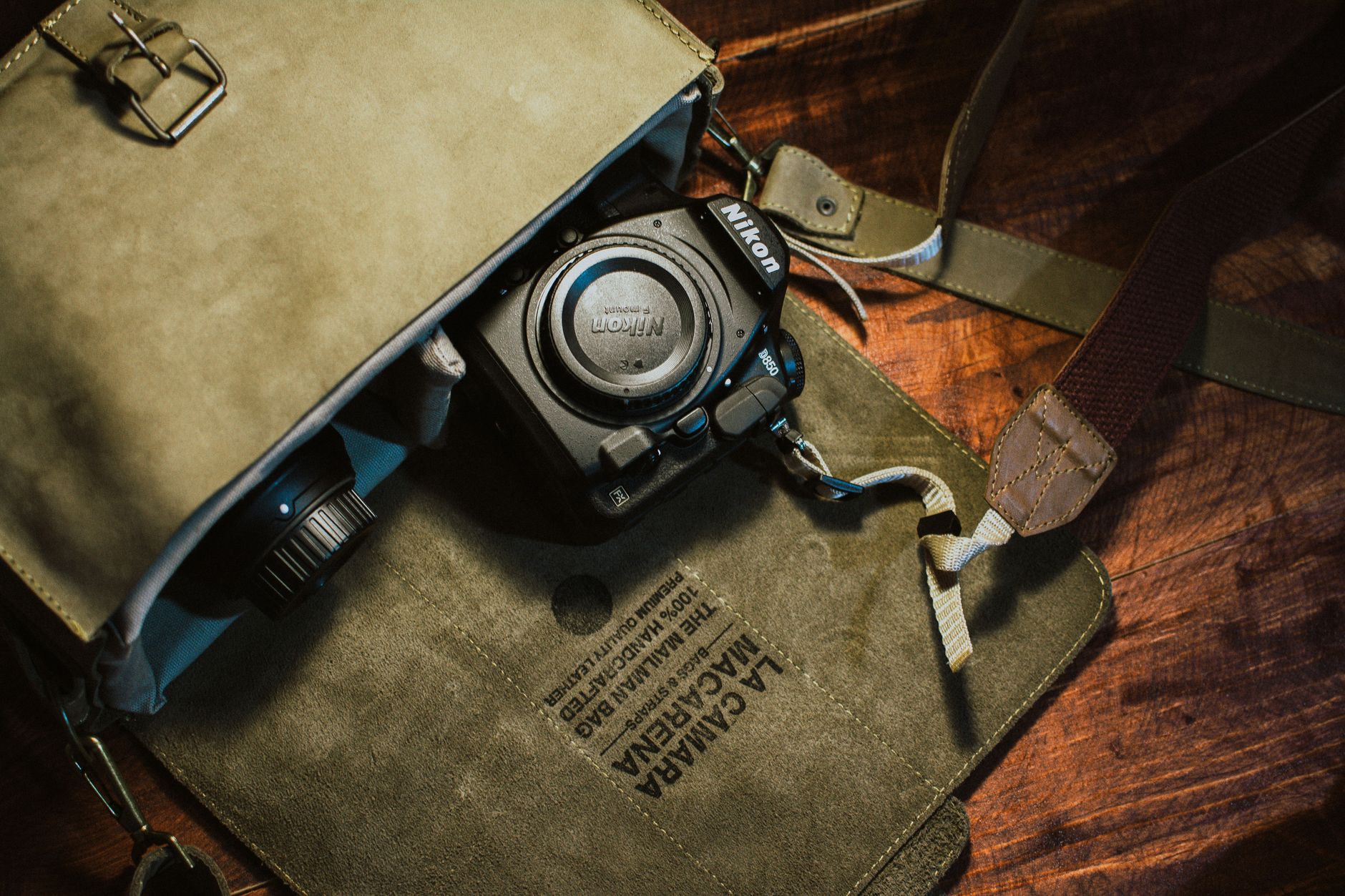
The Minimalist Bag Pull Problem
Bag pulls have always been a design headache. Too ornate and they undermine a restrained bag. Too minimal and they become genuinely hard to use. Zipper tabs that are nothing more than the zipper’s own pull head require two hands and perfect fingernail length. Leather tabs crack, stretch, or detach at stress points. The toggle format sidesteps most of these failure modes because it was engineered, not styled.
That distinction – engineered versus styled – is the toggle’s real selling point for accessory designers working in the minimalist space. When a detail looks like it belongs on a kayak, it carries an implicit credibility. The viewer reads it as purposeful rather than arbitrary, which is exactly the quality that flat, logo-free, minimal bags need their hardware to project.
How the Trend Is Spreading
The adoption path follows a recognizable pattern. Technical outdoor gear brands were first – some began adding toggle pulls to their packable bags and travel pouches years ago, treating it as a functional upgrade rather than a design statement. Independent leather goods makers picked up the shape next, often combining it with vegetable-tanned leather bodies to create a deliberate tension between the handmade and the industrial. Now the influence is reaching broader market tiers, with the toggle appearing on canvas and waxed cotton bags that sit somewhere between outdoor gear and everyday carry.
Color is part of the story too. Cockpit toggles on kayaks come in safety-visibility colors – yellows, reds, high-visibility oranges – because they need to be found in dark water. Fashion adaptations are largely stripping that palette back to black, raw aluminum, and occasionally a muted olive or slate, pulling the form away from its sport-safety context and pushing it toward something that reads as deliberate restraint. The color edit is where the fashion reinterpretation becomes most visible.
There is also a tactile argument for the toggle that photographs poorly but matters enormously in real use. The loop format, when executed with a slightly yielding material, creates a satisfying resistance when you pull a zipper open. It is not the rigid snap of a metal ring or the flat drag of a leather tab. It has a specific give – the same quality that makes it useful on a kayak in rough conditions – that translates into what can only be described as a more considered interaction with the bag itself. Small hardware details rarely get credit for changing how a product feels to use, but this one does.
Whether the toggle stays in the accessory vocabulary long-term probably depends on whether it escapes the minimalist niche it currently occupies. Its risk is the same as any functional-origin detail that crosses into fashion: once it becomes widely recognizable as a trend reference rather than a functional choice, it starts to look like costume. Right now, most people holding a bag with a cockpit-toggle-inspired pull have no idea where the shape came from – and that anonymity is exactly what keeps the detail working.