


Where Paddle Sports Meet the Wrist
Drip rings are not glamorous. They are small, rubber, and designed for one job: stopping water from running down a kayak paddle shaft and soaking a paddler’s hands mid-stroke. Nobody buys them for looks. That functional indifference is exactly what makes them interesting to accessory designers right now.
A growing number of independent jewelry and accessories labels are pulling direct references from flat water kayaking gear, and the drip ring’s profile – a snug, ridged band seated firmly around a cylindrical shaft – translates with surprising precision into wrist cuff silhouettes. The result is a category of structured minimalist cuffs that carry the visual logic of sports hardware without any of the athletic branding or performance marketing that typically surrounds it.
The timing aligns with a broader appetite for objects that look like they have a job to do.

The Shape That Translates
What makes the drip ring reference so usable for accessories designers is the geometry. A standard flat water kayak drip ring sits in a shallow channel cut into the paddle shaft, gripping tightly without adhesive. It has a slightly raised outer edge, a compressed inner profile, and enough rigidity to hold its position under pressure. Translated into metal or resin, that geometry produces a cuff with real visual density – something that reads as purposeful rather than decorative.
The minimalist wrist cuff has had a long run as a wardrobe staple, but the category risks going flat when every version looks identical. Introducing a cross-referential silhouette – one borrowed from a completely different functional object – gives designers a way to add specificity without adding ornament. A cuff that reads like a drip ring does not need gemstones or engraving to hold attention. The form itself is doing the work.
Some labels are working in oxidized sterling and raw brass to push the hardware reading further, letting the material patina naturally in ways that echo rubber aging in UV exposure. Others are experimenting with high-density silicone in matte charcoal and slate, keeping the material reference intact and producing something that sits comfortably close to the wrist without the weight of metal. Both directions are landing well at the retail level, particularly with buyers who shop across the outdoor and fashion categories without treating them as separate worlds.
Why Functional Objects Make Strong References
Fashion has always raided utility for ideas, but the most durable borrowings tend to come from objects with no aesthetic ambition of their own. A drip ring was designed by an engineer solving a water problem, not by someone thinking about how the wrist looks. That absence of stylistic intent is what gives the reference its credibility when designers use it deliberately. The object is not trying to be fashionable, which means the fashion version carries a kind of earned restraint.
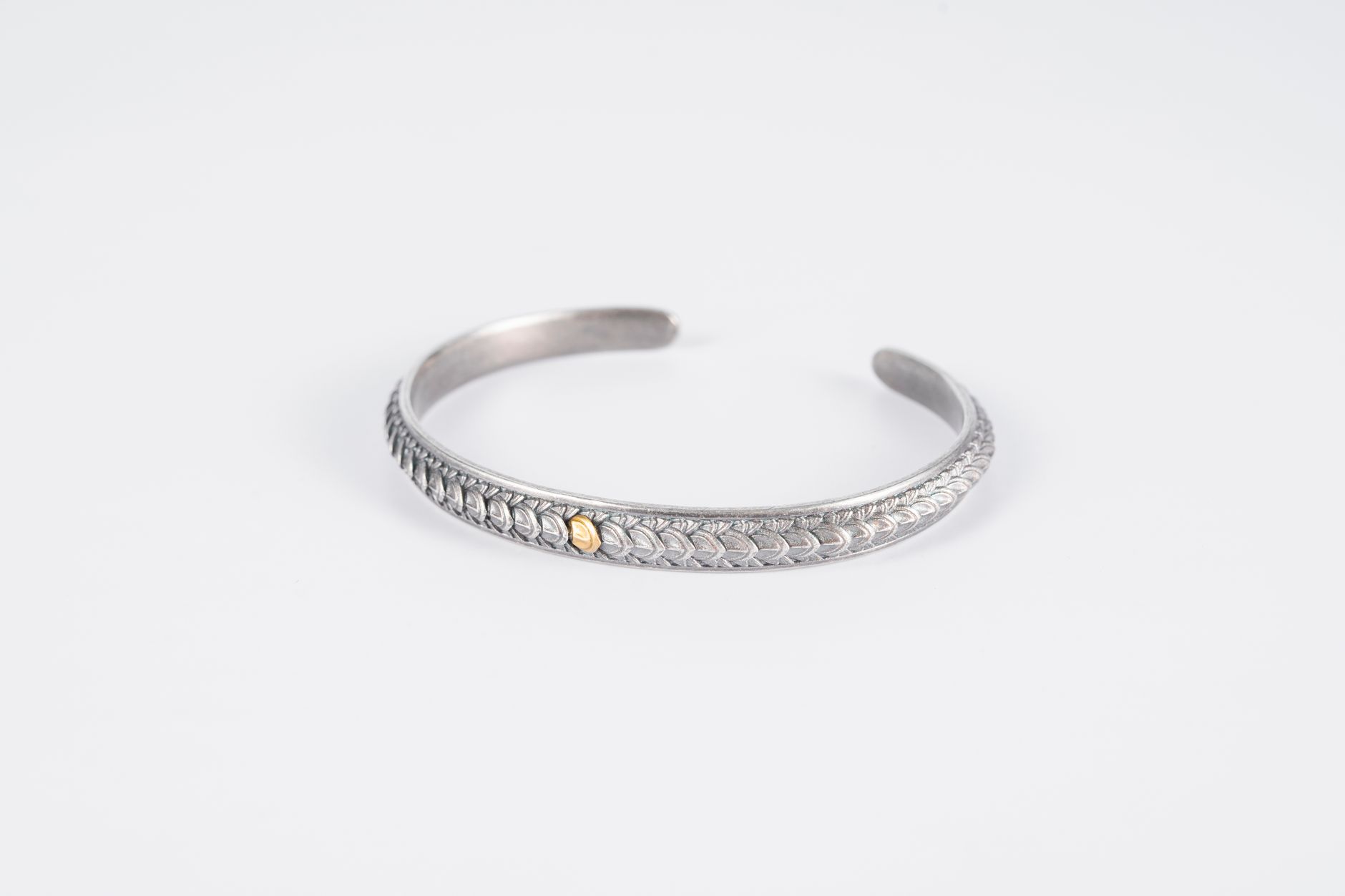
This logic runs through other recent accessory trends worth tracking. Croquet mallet head brass ferrules have been appearing as structured bracelet ends, pulling from the same instinct – take a hardware component no one associates with style and let its precision geometry carry the accessory. The common thread is not the sport or the material. It is the decision to start with function and stop before decoration.
For wearers, the appeal is straightforward. A cuff that looks like it came off a piece of equipment reads as confident without being loud. It signals that the wearer made a deliberate choice rather than reaching for something obviously pretty. That distinction matters in a market where minimalism has become so common that the category needs internal differentiation to stay interesting.
Who Is Wearing This and How
Early adopters are styling these cuffs the way they would any strong structural piece – letting them anchor an otherwise quiet outfit. A single drip ring-profile cuff in oxidized brass against a plain white sleeve does not need company. Stacking two versions in contrasting materials, one metal and one silicone, creates a visual conversation about the reference itself without tipping into costumery.
The silhouette also crosses gender categories without adjustment. Because the form originates in sports hardware sized to grip around a paddle shaft – an object held by anyone – the cuff does not carry the gendered proportions that complicate many jewelry categories. A version that works on a narrow wrist works equally on a broader one. That neutrality is not accidental, and designers working in this space are aware of it.
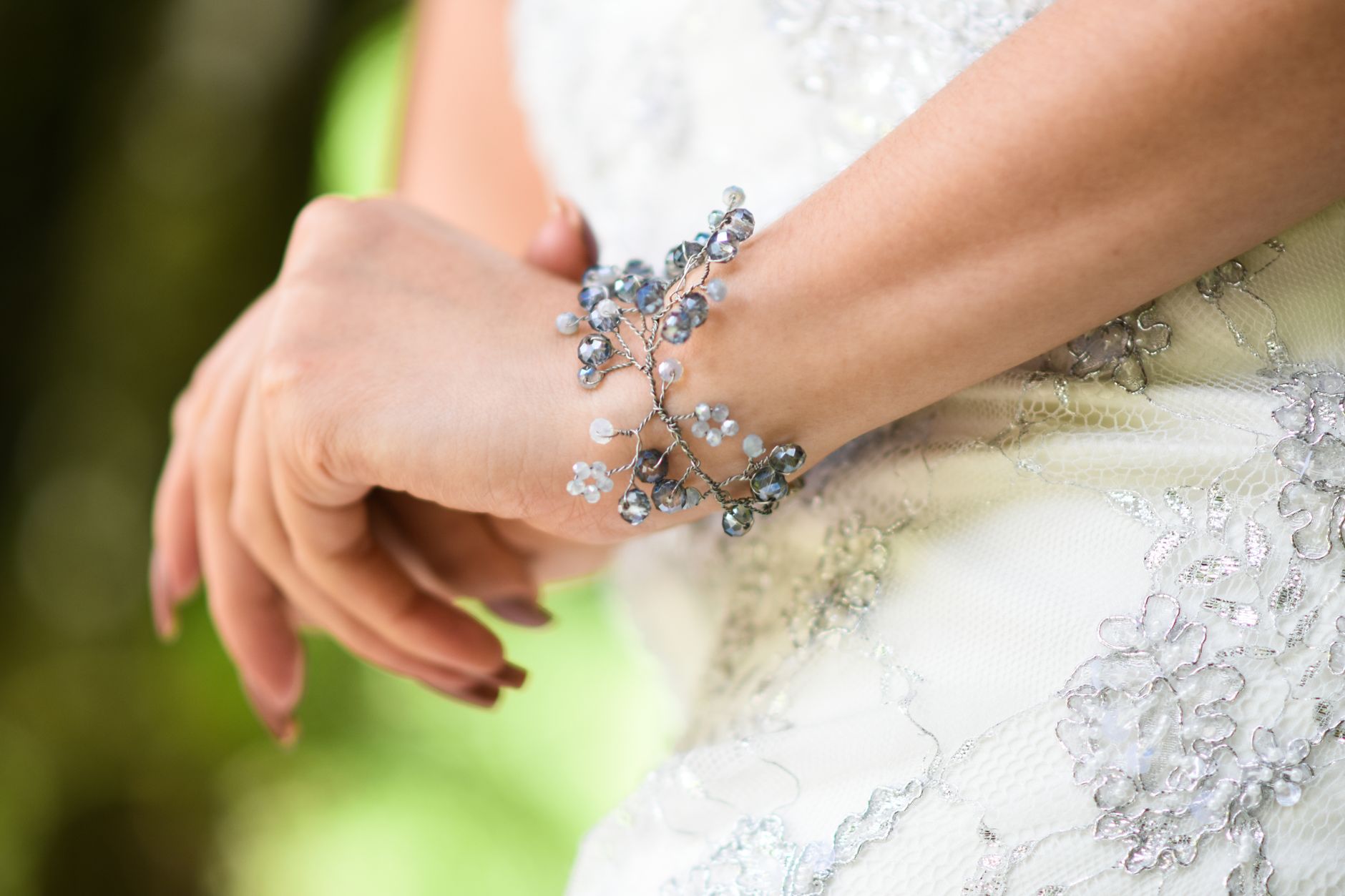
What remains unresolved is how far the reference can travel before it loses specificity. Right now, the drip ring silhouette is distinct enough that seeing it on a wrist produces a moment of recognition – the sense that something specific was borrowed from somewhere specific. If the shape gets absorbed into the general minimalist cuff vocabulary without its functional origins being legible, it becomes just another band. That tension between specificity and absorption is what every borrowed reference eventually faces, and the drip ring has not reached saturation yet – but the window for wearing it while it still reads as a deliberate choice is not unlimited.