

When Paddle Engineering Meets the Cutting Table
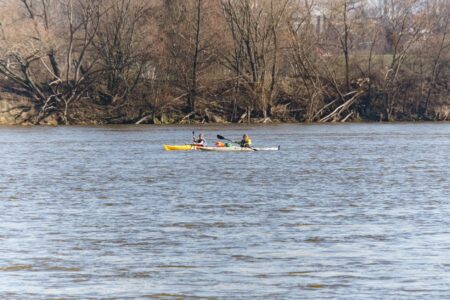
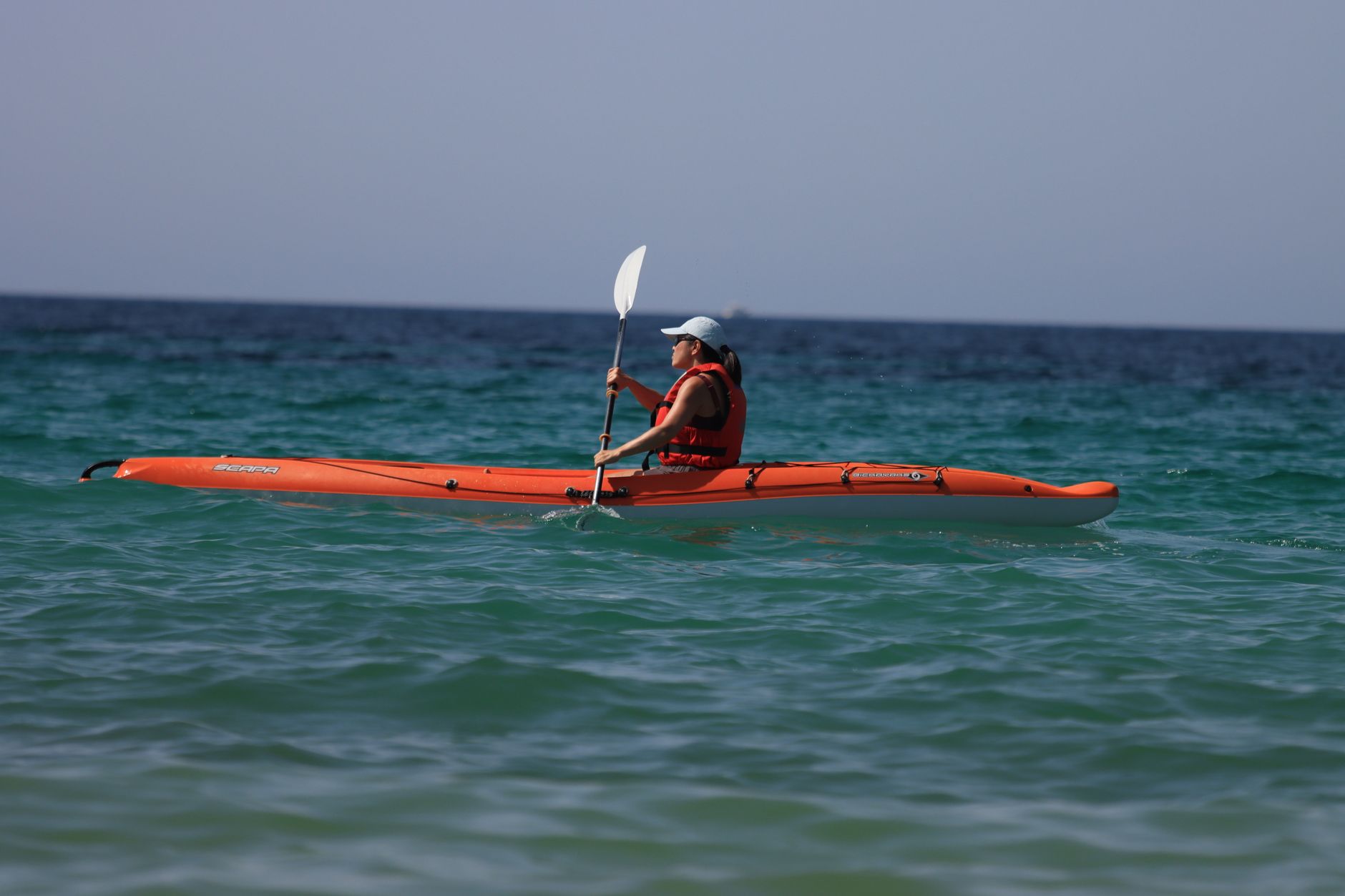
The feathered blade angle on a flat water kayak paddle is not decorative. It is a mechanical solution – two blades offset from each other, typically between 15 and 60 degrees, so that the blade resting above water cuts through wind resistance rather than catching it. The geometry is spare, intentional, and built entirely around reducing drag without sacrificing forward momentum. That precise logic is now influencing how collar cuts are being constructed in contemporary womenswear.
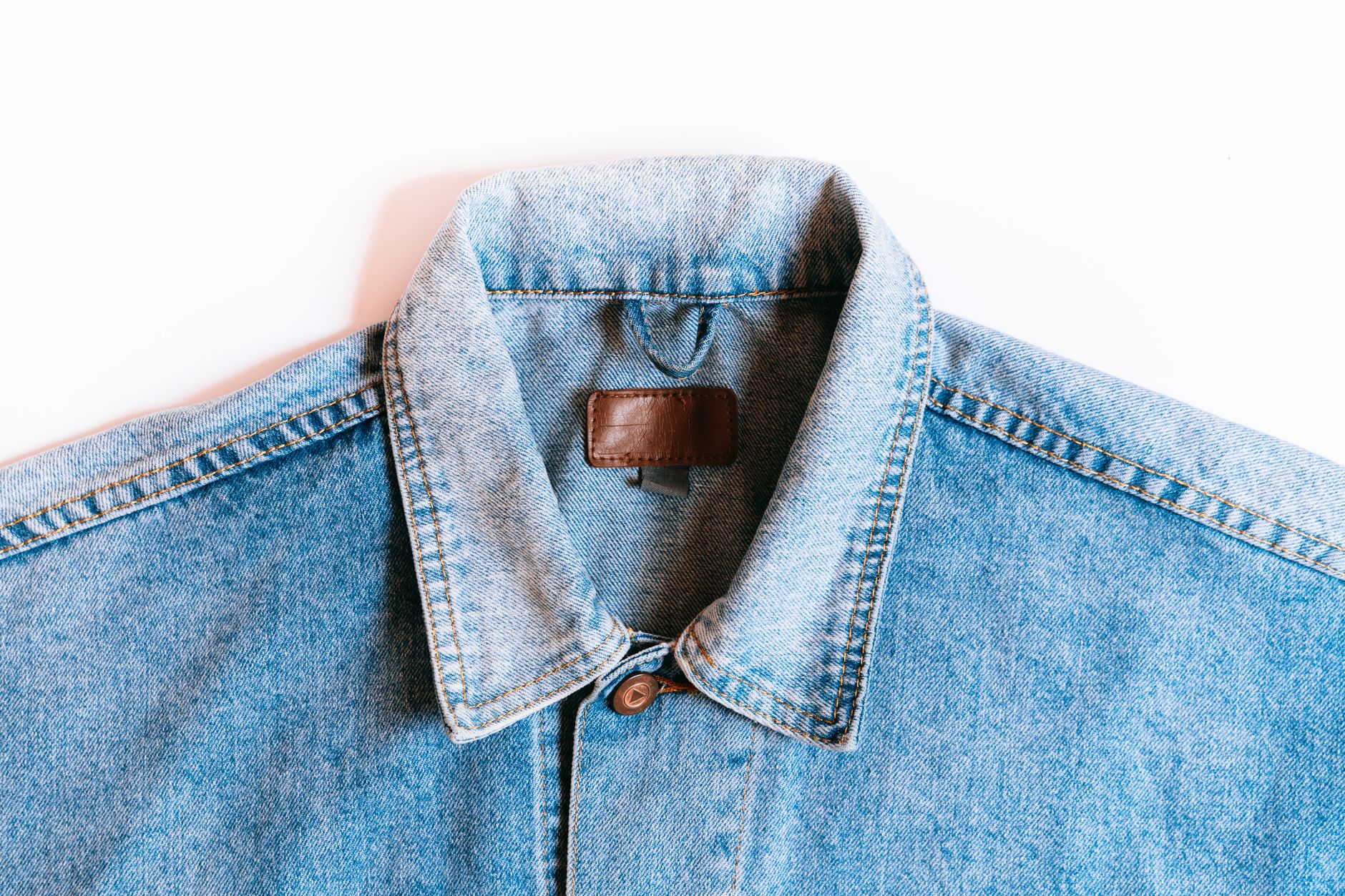
Asymmetric collar construction has been drifting in and out of fashion for years, but this season the approach feels different in its technical specificity.
What is landing on runway samples and small-batch ateliers alike is not simply a collar that sits off-center. It is a collar that replicates the offset logic of feathered paddle blades – one side sits flat and close to the neck, functioning as the “power blade” anchoring the garment, while the opposite side fans out or angles away at a deliberate tilt, creating negative space and visual lift. The cut references aerodynamics without borrowing its vocabulary.
The Geometry Behind the Garment
In kayaking, blade feathering exists because a flat, parallel configuration creates unnecessary resistance. The paddle is twisted at the shaft so each blade works in turn, one always optimized for the stroke, one always streamlined for the recovery. Fashion’s take on this is structurally honest: the asymmetric collar does the same work on a dressed body. One lapel or collar point handles visual weight and framing, the other is freed to angle, lift, or overlap without mirroring its counterpart.
The collar constructions emerging from this influence tend to share a few characteristics. Points on one side are elongated past the conventional notch or peak position. The opposing side is either cropped short or tilted inward, creating a diagonal line across the collarbone. Interfacing and internal boning – the kind used in structured sheer blouse collars – are being applied unevenly, reinforcing the dominant blade while leaving the secondary side with a softer, more reactive drape. The result is a collar that reads differently depending on the wearer’s posture and movement, which is exactly what paddle blades do in water.
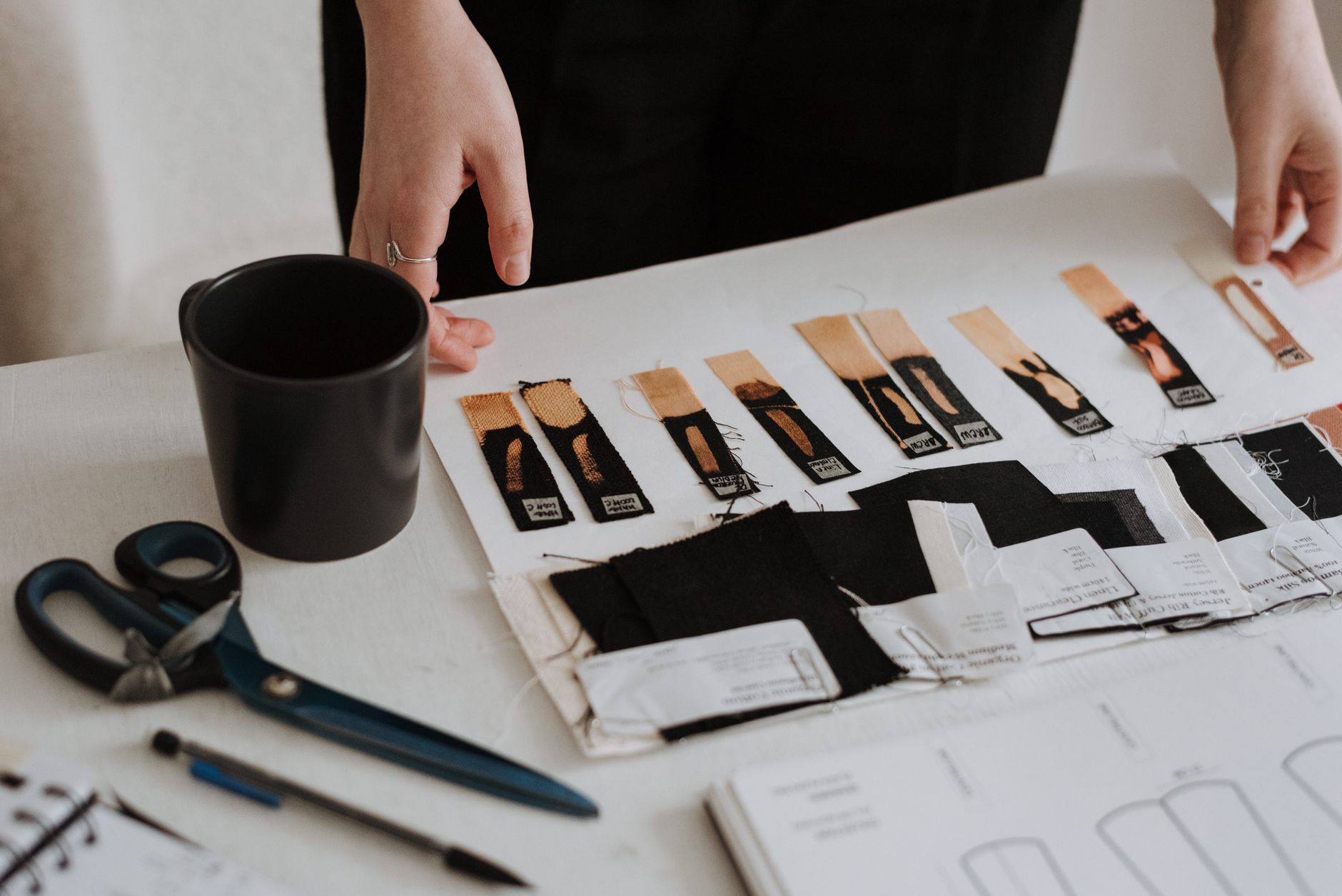
Fabric selection amplifies the effect. Crisp cotton poplin and stiff canvas perform the anchoring role. Silk charmeuse, cupro, and fluid crepe handle the tilting, angled side. Mixing both in a single collar construction – bonded or layered at the seam where they meet – is showing up in sample collections from London to Seoul. The contrast is tactile and visual simultaneously.
Why This Reads as Fresh and Not Gimmicky
Asymmetric collar cuts have failed before when they relied on shock value rather than function. A collar that sits crooked simply to appear avant-garde collapses under scrutiny. The kayak blade reference holds because the offset logic is load-bearing: each side of the collar is genuinely doing different work, and that division of labor reads visibly in the final silhouette.
The styling consequence is significant. An asymmetric collar built on feathered blade principles changes what jewelry sits correctly on the neck and chest. It shifts the natural eye line toward one shoulder rather than centering the face, which alters how earring length reads, how a scarf knot lands, and whether a chain pendant hangs true or migrates. That cascade of downstream styling decisions is what separates a structural idea from a surface-level detail. Garments that actually change how you dress around them tend to stay in rotation longer than ones that simply photograph well.
A growing number of independent pattern makers are also adapting the angle mathematically, treating the collar’s offset degree the way a paddler would calibrate feather angle for wind conditions – adjusting the spread based on fabric weight, neckline depth, and intended silhouette. A heavier coat collar might run at a 30-degree offset; a lightweight blouse collar might push closer to 45. The variation is deliberate, not accidental.
The irony is that flat water kayaking, a sport defined by stillness and precision, is generating some of the more restless collar shapes this year – cuts that actively resist symmetry and refuse to settle into the predictable V or stand configurations that have anchored shirting for decades. The question now is whether this offset logic moves into suiting, where the collar-to-lapel relationship is even more structurally prescribed, or whether tailoring’s rules prove too rigid to tilt.
Frequently Asked Questions
What is a feathered blade angle in kayaking and how does it relate to fashion?
A feathered blade angle offsets two paddle blades so one cuts wind while the other strokes. Collar designs are borrowing this offset logic, with one collar side anchoring and the other angling freely.
What fabrics work best for asymmetric feather-blade-inspired collars?
Stiff poplin or canvas handles the dominant anchoring side, while silk charmeuse or fluid crepe suits the angled, softer side. Mixing both in a single collar construction is a key technique.