

The leotard was never supposed to leave the gym. And yet, something has shifted in the way evening wear designers are thinking about the body – and the cuts that frame it.
From Floor Routines to the Front Row
The defining feature of a gymnastics leotard is its relationship with the torso – high-cut legs, a deep scoop or keyhole back, and a bodice that prioritizes uninterrupted line over coverage. Those same architectural decisions are showing up in evening drops, appearing on satin minidresses, structured gowns, and even tailored jumpsuits. The silhouette has migrated, but the logic behind it is the same: make the body look longer, leaner, and unbroken from hip to shoulder.
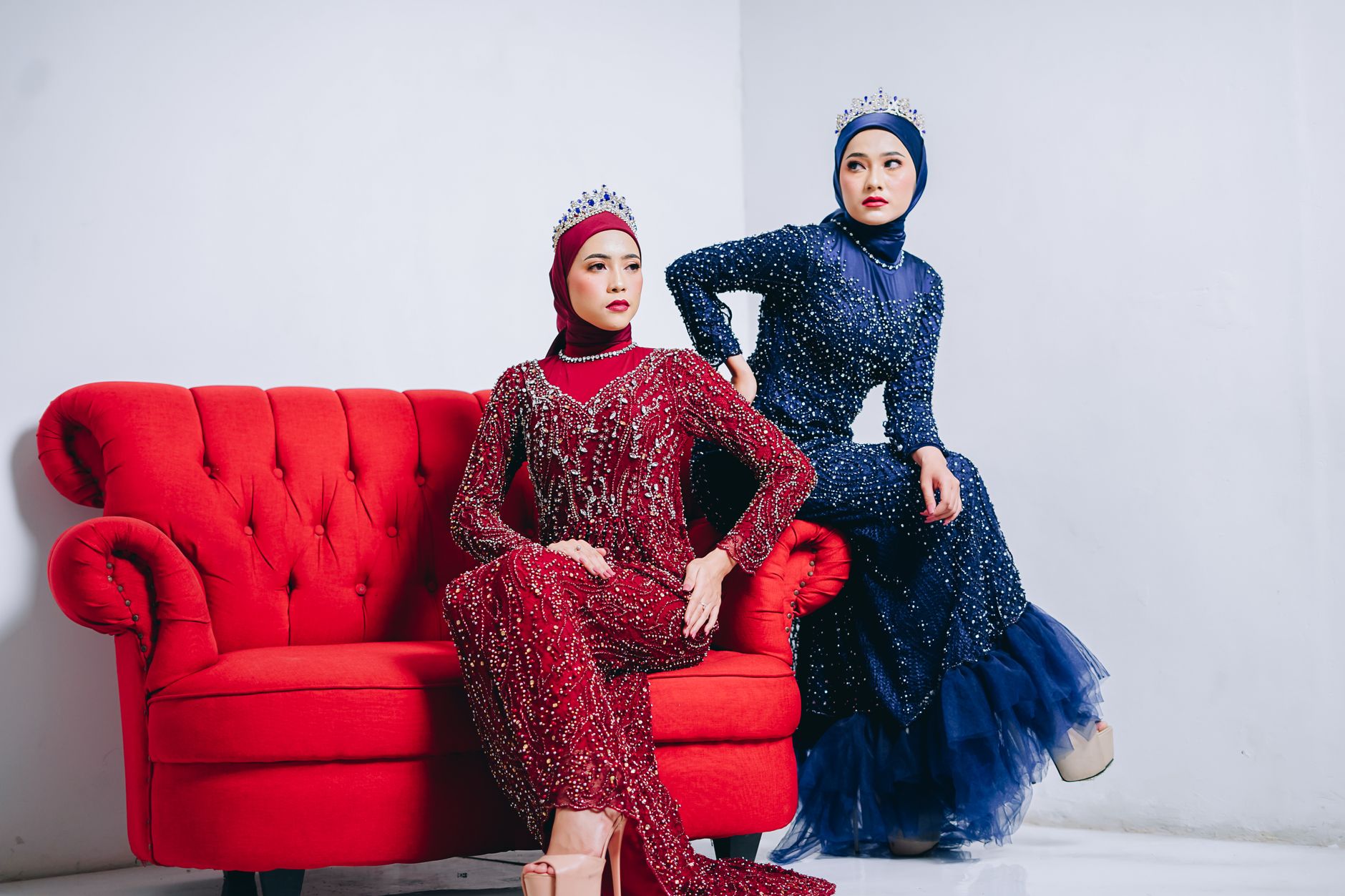
What makes this crossover work at a formal level is the fabrication switch. A leotard cut in competition nylon reads as sportswear. That same cut executed in duchess satin, beaded mesh, or heavy crepe reads as something else entirely – something closer to couture. The garment is no longer about athletic performance; it becomes about visual performance instead. The body is the architecture, and the cut is the blueprint.
Designers working in the eveningwear space have long borrowed from dancewear – ballet-inspired necklines, wrap bodice construction, and stretch-fabric engineering all have roots in performance dress. The gymnastics leotard cut is simply the next iteration of that borrowing, and it carries a specific visual argument: that elongating the leg line through a high hip cut creates a proportion that a conventional hemline cannot replicate.
This is not a trend born from nostalgia for the sport. It is a structural decision. A high-cut hip placed precisely at the iliac crest draws the eye upward and outward simultaneously, which is why the cut has always worked in competitive gymnastics – where judges are literally scoring visual line. Evening wear designers are borrowing that visual logic and applying it to red carpet dressing, where the same scrutiny exists, even if the scoring is informal.
The Anatomy of the Cut
Three specific leotard details are doing the most work in evening drops right now. The first is the high leg opening – not the modest French cut, but the true gymnastics silhouette that sits several inches above the hip bone. The second is the deep back construction: a V or U that descends to the sacrum or lower, held in place by subtle boning or a single structural strap. The third is the bodysuit foundation – evening pieces using this cut are almost always built on a one-piece inner structure, which eliminates the gap between bodice and bottom that plagues conventional dresses under movement.
That bodysuit foundation is arguably the most significant technical adoption. A leotard derives its stability from being a single sealed garment – there is no waistband to slip, no hem to ride up, no separation between the top and bottom halves of the body. Evening wear constructed on this principle behaves differently on the body. It moves as one unit. Designers who have adopted this approach are finding that clients report a different kind of confidence in the garment – not just visual confidence, but physical ease.
The back construction deserves its own examination. Gymnastics backs are engineered to be exposed during overhead movements, which means every strap placement and every anchor point has been tested under the most extreme conditions. Evening backs borrowed from this tradition are structurally rational in a way that purely aesthetic backless designs sometimes are not. The difference between a dress that stays put during dancing and one that requires constant adjustment often comes down to whether its back engineering was borrowed from performance or invented from scratch.
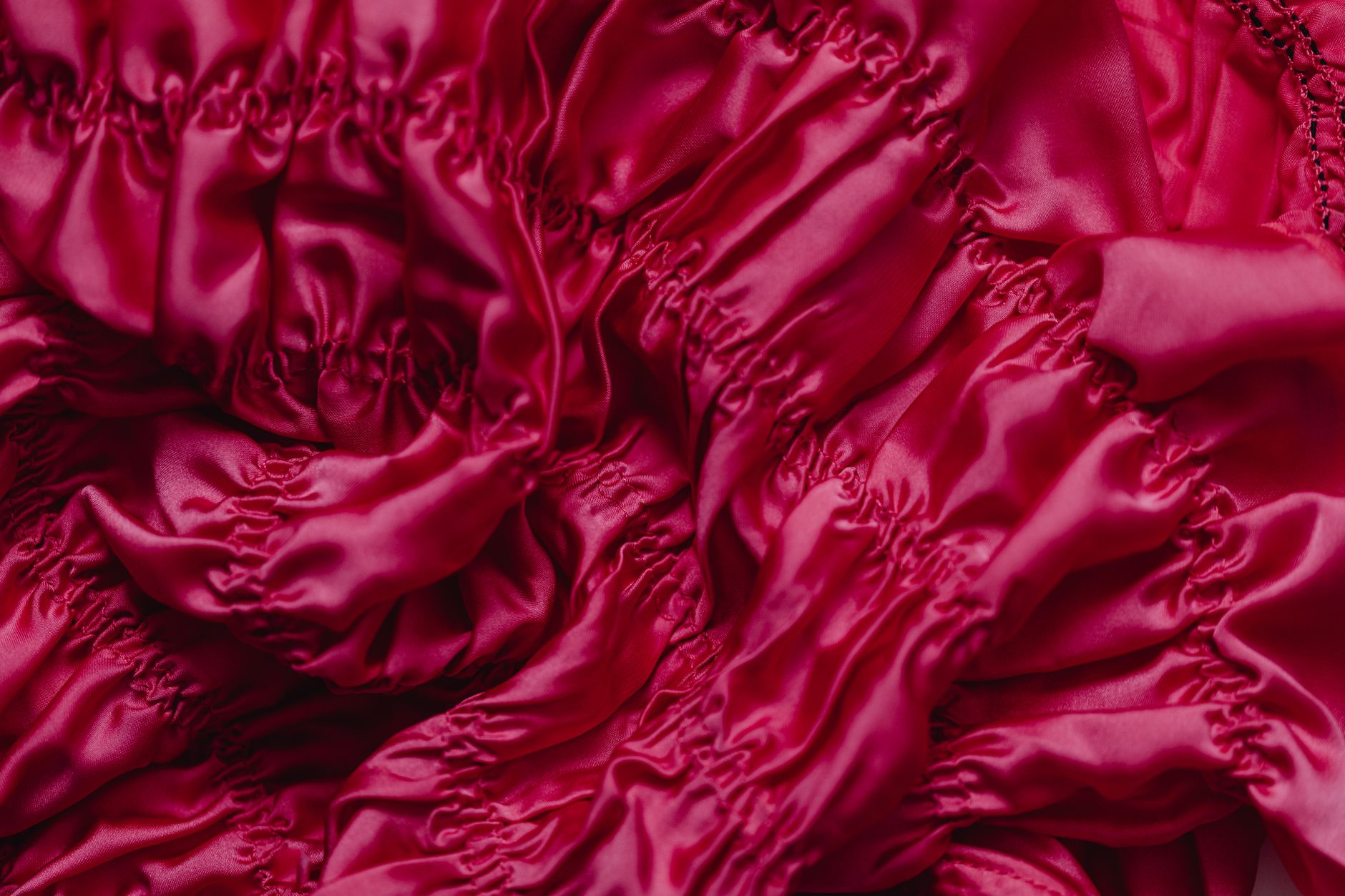
Color and texture choices are what ultimately push the leotard cut into evening territory. Neon and printed stretch fabrics anchor the silhouette in sport. The same cut in midnight navy velvet, champagne sequin mesh, or black stretch satin shifts the context entirely. Some labels are experimenting with contrast – a matte crepe bodice paired with a high-gloss satin leg panel – to create visual emphasis precisely where the leotard cut elongates the body. The fabrication is doing the cultural translation.
Styling decisions compound the effect. When a leotard-cut evening dress is worn with a high-heeled sandal that extends the leg line rather than interrupting it, the total silhouette reads as deliberate – even architectural. Accessorizing low and minimal keeps the cut dominant. Heavy jewelry at the neck or wrist can undercut the geometry. The cut works best when everything else in the look submits to it.
Who Is Actually Wearing This
The early adopters of this cut in evening contexts tend to be women who have a specific relationship with their own physical confidence – not necessarily athletes, but people who are comfortable with garments that require commitment. A leotard cut in evening wear does not offer the same exit ramps as a conventional cocktail dress. There is no wrap to adjust, no cardigan to add. The body is present in the garment in a way that more covered silhouettes allow you to step back from. That is either the appeal or the obstacle, depending on the wearer.
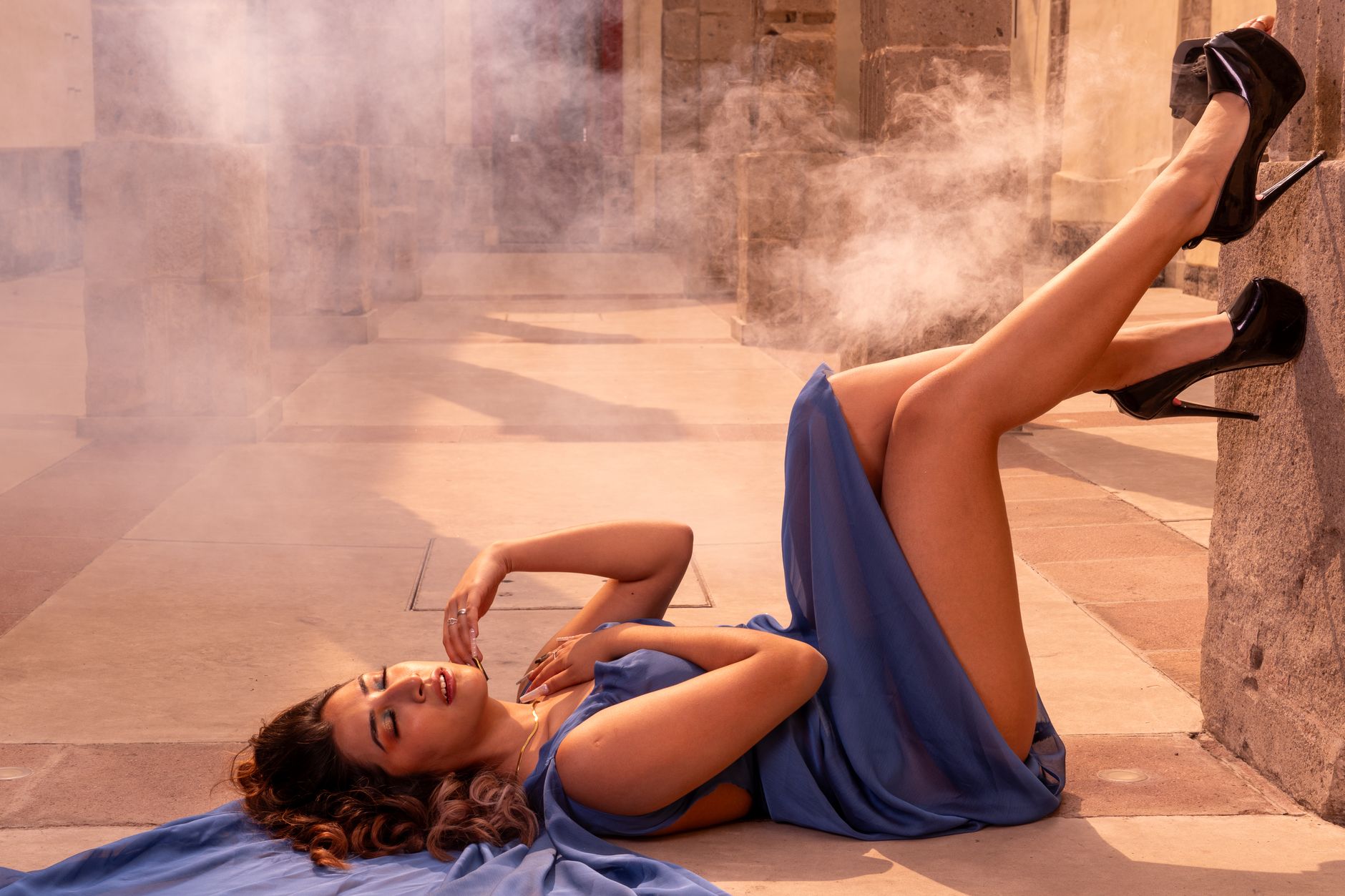
What is worth watching is whether this cut migrates upward into more formal price points – or whether it stays concentrated in the contemporary and designer contemporary segments where it currently lives. Sport-derived cuts have found their way into tailored dressing before, and the pattern suggests that fabrication elevation is the mechanism that moves a cut from niche to mainstream. The leotard silhouette already has the structural argument. The only remaining question is whether couture ateliers are willing to have it.
Frequently Asked Questions
What is a gymnastics leotard cut in fashion?
It refers to evening wear that borrows the high-cut leg opening, deep back construction, and sealed bodysuit foundation typical of competitive gymnastics leotards.
Why are designers using leotard cuts in evening wear?
The cut elongates the leg line and creates an unbroken torso silhouette. Built on a bodysuit foundation, these garments also move as one unit, offering structural stability under wear.