


The ballet wrap sweater has quietly infiltrated Silicon Valley’s notoriously casual dress code, transforming from dance studio essential to boardroom staple. What started as a practical garment for keeping muscles warm between rehearsals has evolved into the tech industry’s unexpected answer to professional polish without sacrificing comfort.
This soft rebellion against traditional business attire speaks to a generation of executives who refuse to choose between authenticity and authority. The wrap sweater’s crossover appeal lies in its ability to signal both creative sensibility and executive presence – a visual shorthand for the kind of innovative thinking that drives tech culture.
From Barre to Boardroom
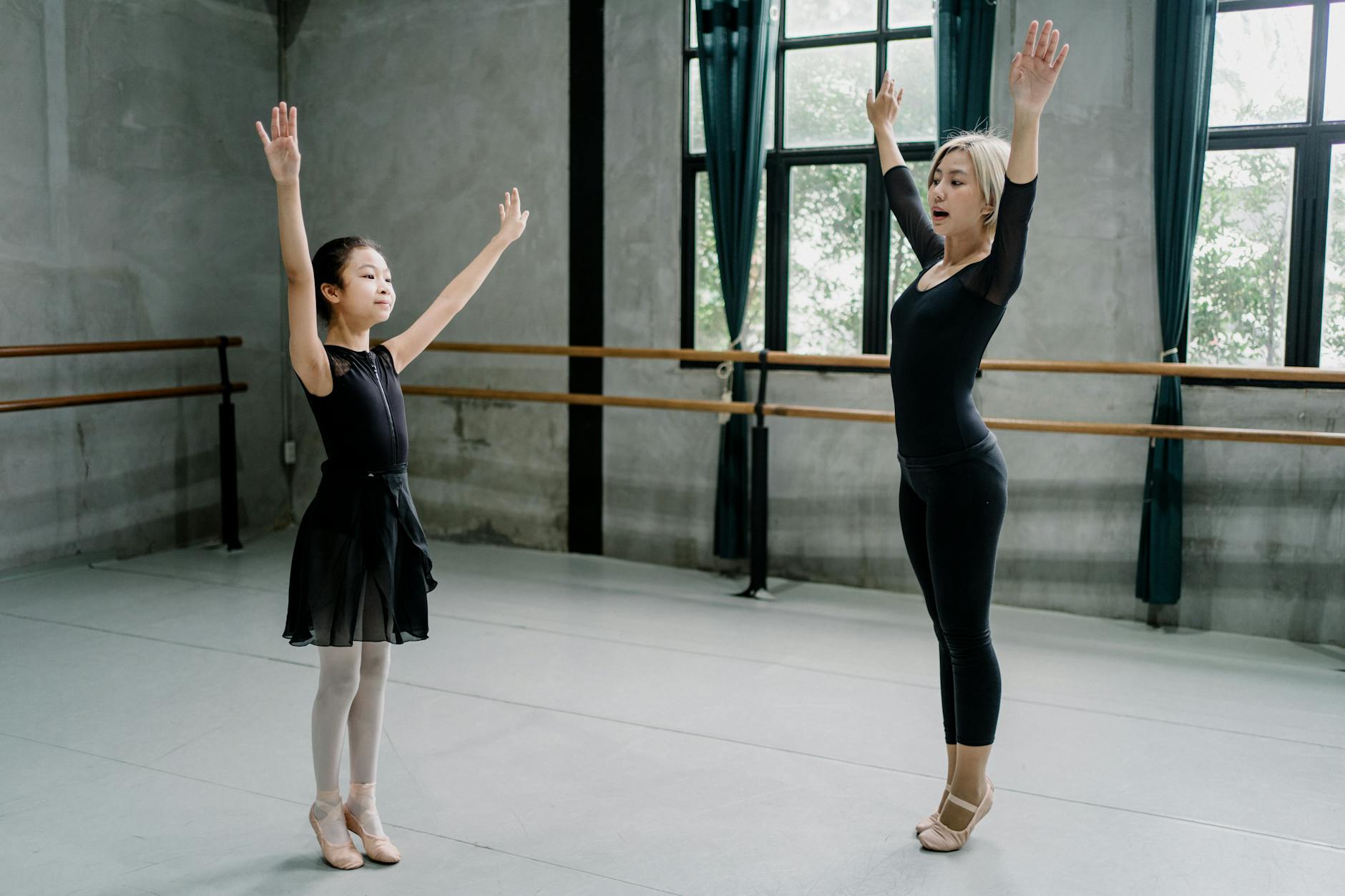
The ballet wrap sweater’s journey into corporate wardrobes began with tech workers who maintained active lifestyles outside their demanding careers. Early adopters were often employees who attended barre classes or yoga sessions before work, discovering that the wrap sweater’s elegant silhouette translated surprisingly well to office environments.
Unlike traditional cardigans or blazers, the wrap sweater offers a unique combination of structure and fluidity. The tie closure creates a defined waistline while allowing for subtle adjustments throughout the day – perfect for professionals who spend hours hunched over keyboards or transitioning between standing desk configurations. The soft, breathable fabrics typical of activewear also provide comfort during long work sessions.
The garment’s inherent femininity initially made it popular among female executives seeking alternatives to masculine-coded power dressing. However, the trend quickly expanded to include gender-neutral versions and oversized fits that appeal to a broader range of body types and style preferences. The wrap sweater’s versatility allows for easy layering over tank tops or under blazers, making it adaptable to Silicon Valley’s unpredictable microclimates.
The Psychology of Soft Power
The ballet wrap sweater represents a shift away from traditional power dressing toward what some fashion observers call “approachable authority.” The garment’s dance origins carry associations with discipline, precision, and artistic achievement – qualities that resonate with tech leaders who view their work as both technical and creative.

The wrap style itself communicates openness and accessibility, contrasting sharply with the rigid lines of traditional business suits. This visual softness can be particularly strategic in industries where collaboration and innovation depend on breaking down hierarchical barriers. The sweater signals competence without intimidation, allowing leaders to project confidence while remaining approachable to team members and stakeholders.
Material Innovation Meets Fashion Function
Tech industry adoption of ballet wrap sweaters has driven material innovation beyond traditional wool and cotton blends. Performance fabrics originally developed for athletic wear now appear in elevated versions suitable for client meetings and investor pitches. Moisture-wicking properties address the reality of high-stress environments, while temperature-regulating fibers adapt to varying office climates.
The rise of sustainable fashion has further fueled the trend, with many tech professionals gravitating toward brands that use recycled materials or environmentally responsible production methods. The wrap sweater’s simple construction makes it ideal for sustainable manufacturing processes, aligning with Silicon Valley’s stated commitment to environmental responsibility.
Several fashion brands have capitalized on this crossover appeal by creating elevated versions specifically for professional environments. These designs maintain the wrap sweater’s essential silhouette while incorporating details like reinforced shoulders, structured necklines, or subtle hardware that elevate the garment’s perceived formality. Price points range from accessible fast fashion to luxury versions that can command several hundred dollars.
The trend has created an interesting dynamic where traditional fashion houses find themselves studying activewear brands, while athletic companies expand into professional wear categories. This cross-pollination reflects the broader blurring of boundaries between work and life that defines modern professional culture, particularly in tech industries where the line between office and lifestyle has become increasingly fluid.
The ballet wrap sweater’s success in Silicon Valley raises questions about whether other industries will follow suit, or if this represents a uniquely tech phenomenon. Traditional finance and legal sectors remain largely resistant to such casual interpretations of professional dress, but creative industries and startups across various sectors are beginning to experiment with similar approaches. The sweater’s ability to project both competence and creativity may prove too appealing for other forward-thinking professional environments to ignore.