


The auction room at Christie’s buzzed with tension as two bidders faced off over a 1962 Yves Saint Laurent Mondrian dress. On one side sat a representative from the Metropolitan Museum of Art’s Costume Institute. On the other, a sharp-suited buyer from a luxury consignment platform with seemingly unlimited funds. When the gavel fell at $180,000, the museum representative walked away empty-handed.
This scene has become increasingly common as designer consignment shops transform from humble secondhand stores into sophisticated retail operations that can outspend cultural institutions for fashion history’s most precious artifacts. The shift represents a fundamental change in how vintage couture moves through the market, with profit-driven businesses now controlling access to pieces that once found their way into museum collections.
The New Collectors Enter the Market
Luxury consignment platforms now operate with acquisition budgets that dwarf those of most fashion museums. While the Costume Institute at the Met might allocate $50,000 annually for new acquisitions, a single high-end consignment shop can spend that amount on one exceptional piece. These businesses have discovered that owning museum-quality vintage pieces drives both prestige and profit margins.
The strategy makes financial sense. A rare Balenciaga coat that costs $30,000 at auction can retail for $75,000 through the right consignment platform, targeting collectors who view fashion as an investment asset class. Museums, bound by institutional budgets and donor restrictions, simply cannot compete with this level of spending power.
Fashion as Financial Asset
The mechanics of this market shift reflect broader changes in luxury consumption patterns. Wealthy buyers increasingly view vintage couture as appreciating assets rather than mere clothing. A Chanel suit from Karl Lagerfeld’s early years has shown price appreciation that rivals fine art, making these pieces attractive to investment-minded collectors.
Consignment shops have learned to market fashion history as aggressively as auction houses sell paintings. They employ art historians and fashion scholars to authenticate and contextualize pieces, creating detailed provenance documentation that justifies premium pricing. The narrative becomes as valuable as the garment itself.
This approach has created a feedback loop where rising prices attract more serious money, which in turn drives prices higher. What began as a niche market for fashion enthusiasts has evolved into a legitimate alternative asset class that institutional investors now monitor.

The phenomenon has spread beyond individual pieces to entire designer estates. When prominent fashion figures pass away, their personal collections often bypass museum donations entirely, heading straight to consignment platforms that can guarantee immediate returns to heirs. The recent dispersal of a legendary fashion editor’s wardrobe through consignment rather than institutional gift illustrates this trend.
Museums Struggle to Adapt
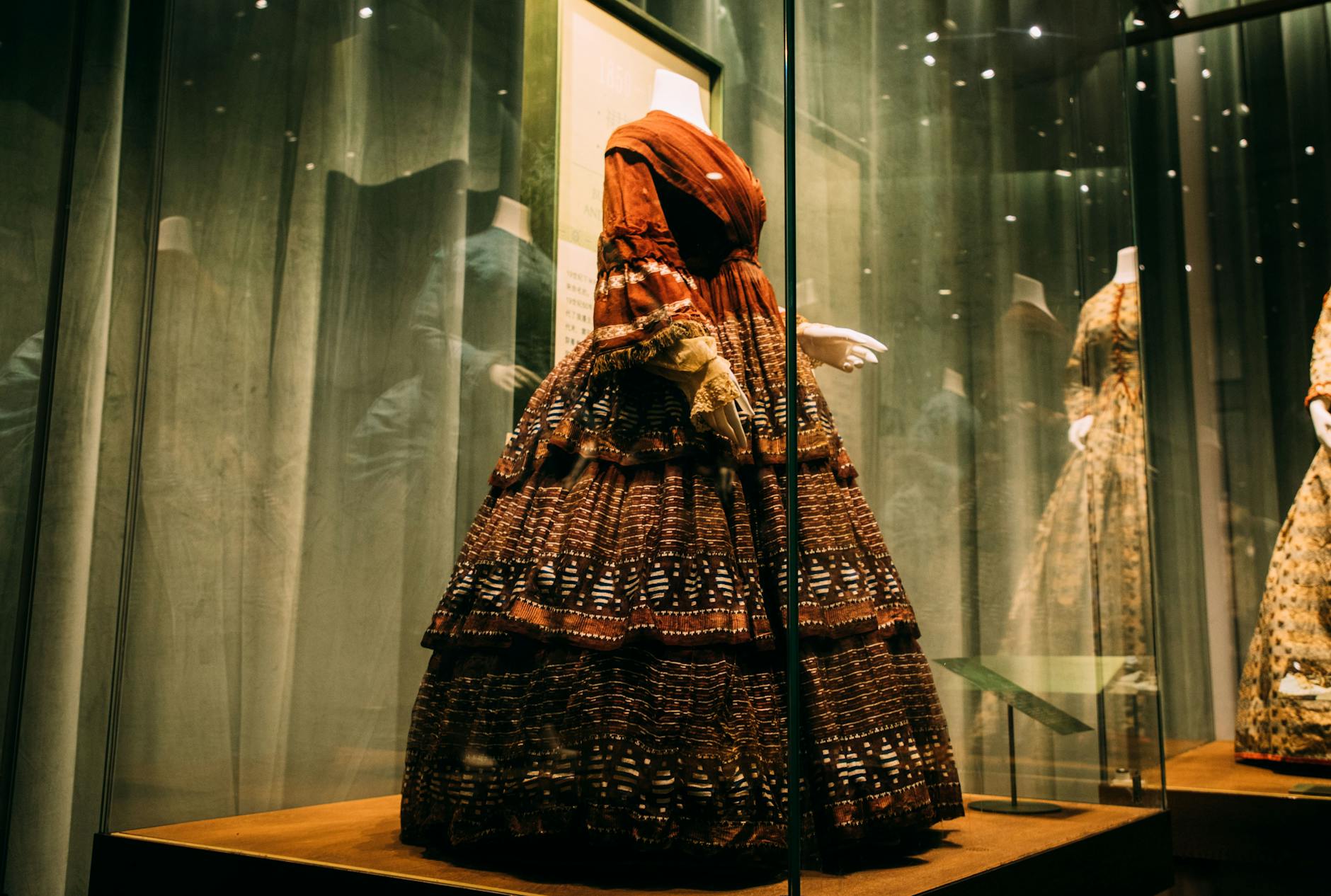
Cultural institutions find themselves in an impossible position. Their mission requires acquiring historically significant pieces, but their funding structures cannot accommodate the new market reality. Grant applications take months to process, while consignment buyers can make immediate cash offers above asking prices.
Some museums have attempted creative solutions, partnering with consignment platforms for temporary loans or shared ownership arrangements. These collaborations allow institutions to display important pieces while private buyers retain ownership rights, but such arrangements come with complex legal frameworks and ongoing costs.
The Broader Implications
This market transformation raises questions about cultural preservation versus commercial access. When historically significant garments disappear into private collections through consignment sales, they often become inaccessible to researchers and the general public. A museum visitor might never see a groundbreaking Comme des Garcons piece that now sits in a private collector’s climate-controlled closet.
The trend has accelerated during recent years as wealth concentration has increased among luxury fashion consumers. Ultra-high-net-worth individuals now compete directly with institutions for the same pieces, and their personal collecting budgets often exceed entire museum departments’ annual allocations.
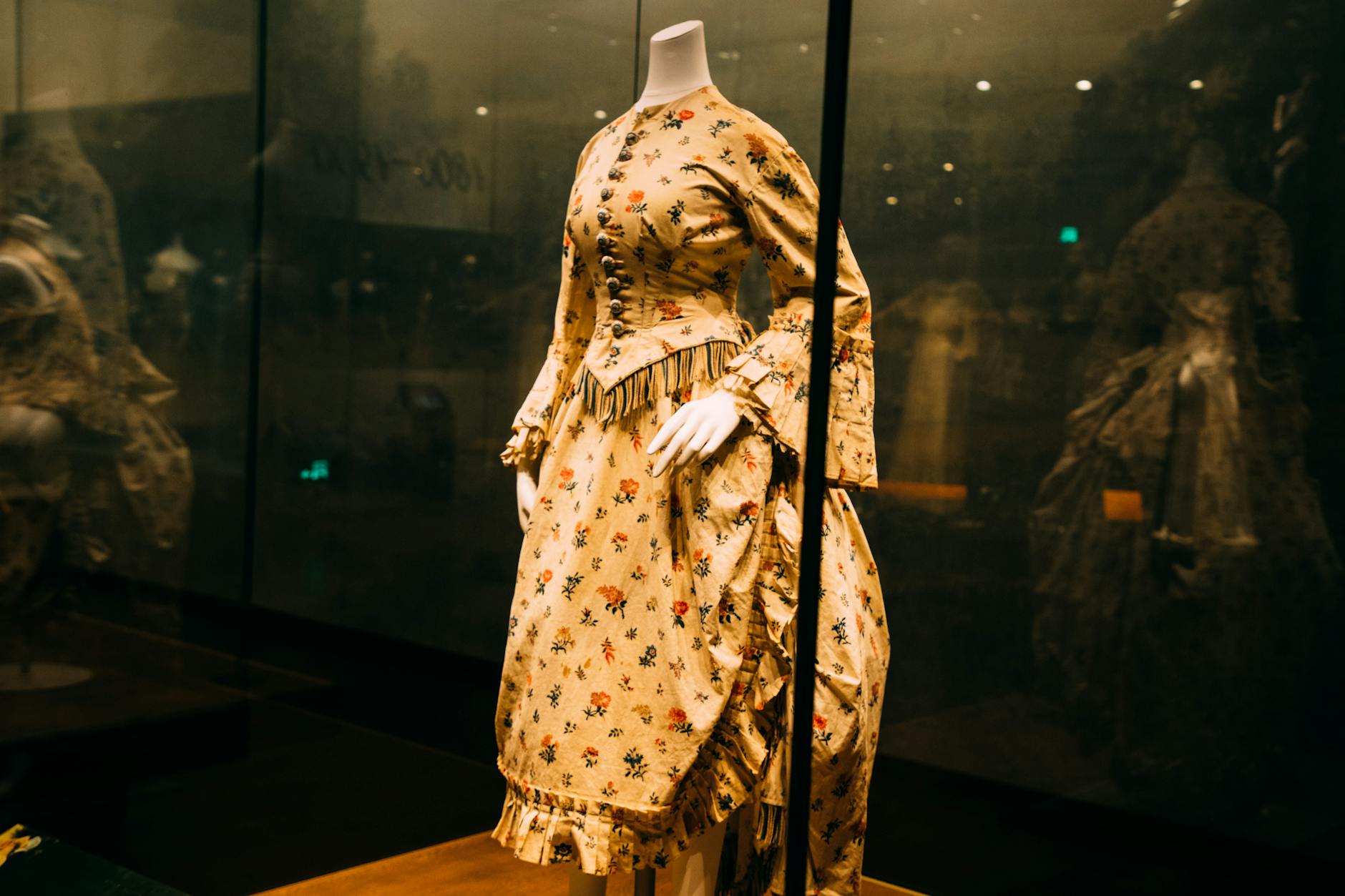
Yet consignment platforms argue they serve an important democratizing function by making high-end fashion more liquid and accessible. A collector can purchase a significant piece, wear it to appropriate events, then resell it through the same platform, effectively renting access to fashion history. This model challenges traditional notions of permanent museum collections versus private ownership.
The ultimate irony may be that consignment shops are creating more comprehensive archives of fashion history than many museums, simply because they can afford to acquire more pieces. Their digital catalogs and authentication processes often exceed museum standards, raising questions about which institutions truly serve scholarship and preservation in the digital age.