

The silk pillowcase trend has moved far beyond bedrooms. Professional estheticians are now incorporating these luxurious fabrics directly into facial treatments, creating a new category of services that promises smoother skin and fewer sleep lines for clients seeking premium skincare experiences.
This shift represents more than just aesthetic appeal. Licensed estheticians across major cities are reporting that silk-based treatments have become their most requested add-on services, with some professionals completely redesigning their treatment rooms to accommodate silk-enhanced facials and relaxation sessions.
The Science Behind Professional Silk Treatments
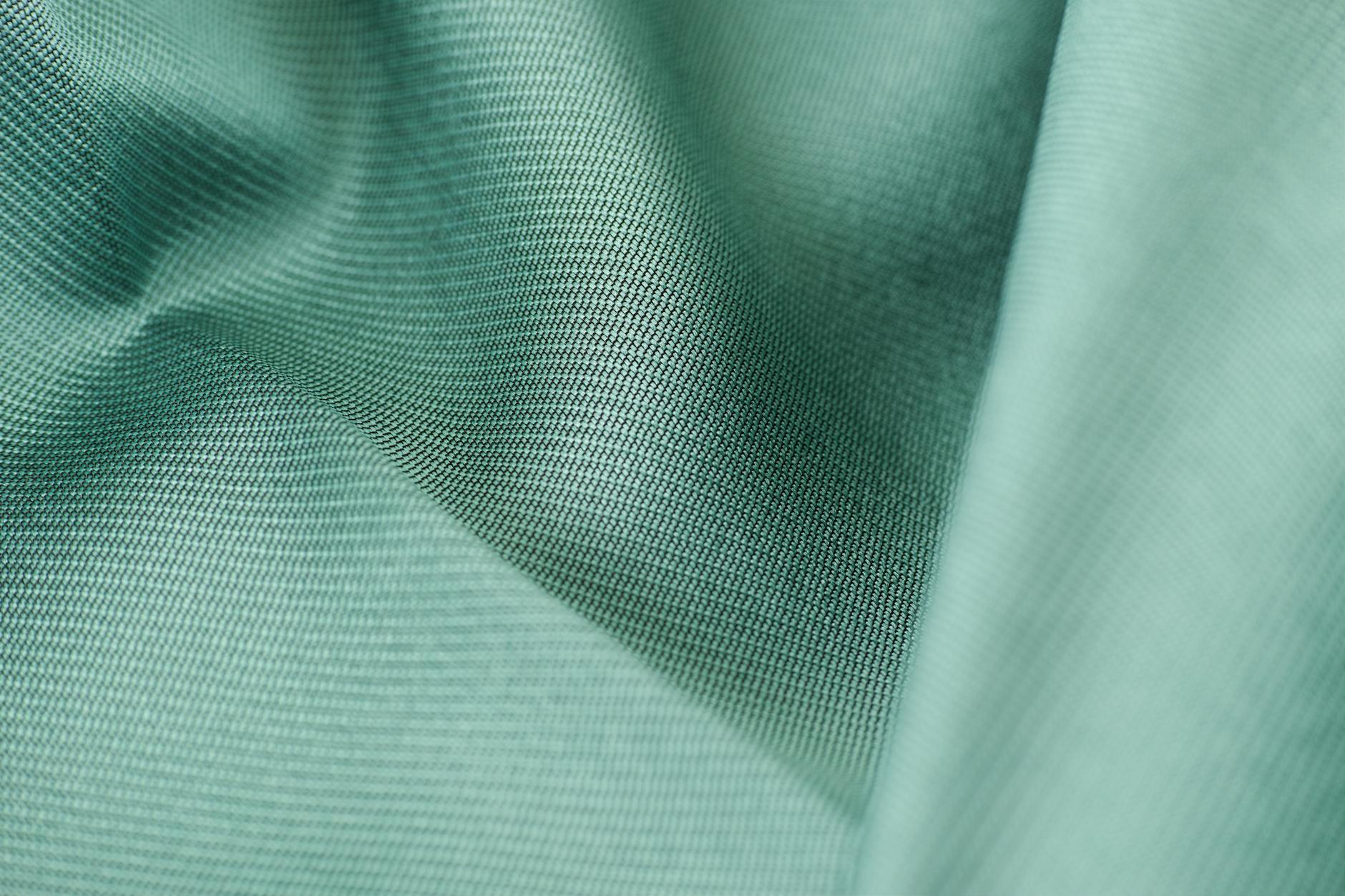
Estheticians are leveraging silk’s natural properties in ways that go beyond simple comfort. The protein fibers in mulberry silk create less friction against skin compared to cotton or synthetic materials, which professional skincare specialists say helps preserve the integrity of facial treatments during application.
“We’re seeing clients who come in specifically asking for silk-enhanced services,” says Maria Rodriguez, a licensed esthetician in Beverly Hills who has integrated silk pillowcases into her signature facials. “The reduced friction means we can apply serums and masks without the fabric pulling or absorbing the products.”
The amino acids naturally present in silk protein align closely with those found in human skin and hair, creating what skincare professionals describe as a more compatible surface for post-treatment recovery. This compatibility has led some estheticians to extend treatment times, allowing clients to rest on silk surfaces while masks and serums penetrate more effectively.
Professional-grade silk pillowcases used in spa settings typically feature higher momme counts than consumer versions, providing additional durability for frequent washing and sanitization required in clinical environments. These specialized covers often include antimicrobial treatments that maintain hygiene standards while preserving silk’s natural benefits.
Integration with Existing Treatment Protocols
Rather than creating entirely new services, most estheticians are weaving silk elements into established treatments. Microneedling sessions now frequently conclude with clients resting on silk-covered surfaces to minimize post-treatment irritation. Chemical peel protocols have been modified to include silk pillowcases during the neutralization period, when skin is most sensitive to external friction.
The integration extends to combination therapies that pair traditional techniques with modern comfort elements. Similar to how acupuncturists are adding facial lymphatic drainage to sessions, estheticians are finding that clients respond positively to enhanced relaxation elements that complement core treatments.
High-end spas have begun offering “silk sleeping facials” where clients receive overnight treatments while resting on silk bedding in private suites. These extended services typically last 6-8 hours and include multiple product applications timed to coincide with natural skin repair cycles that occur during sleep.
Equipment and Setup Modifications
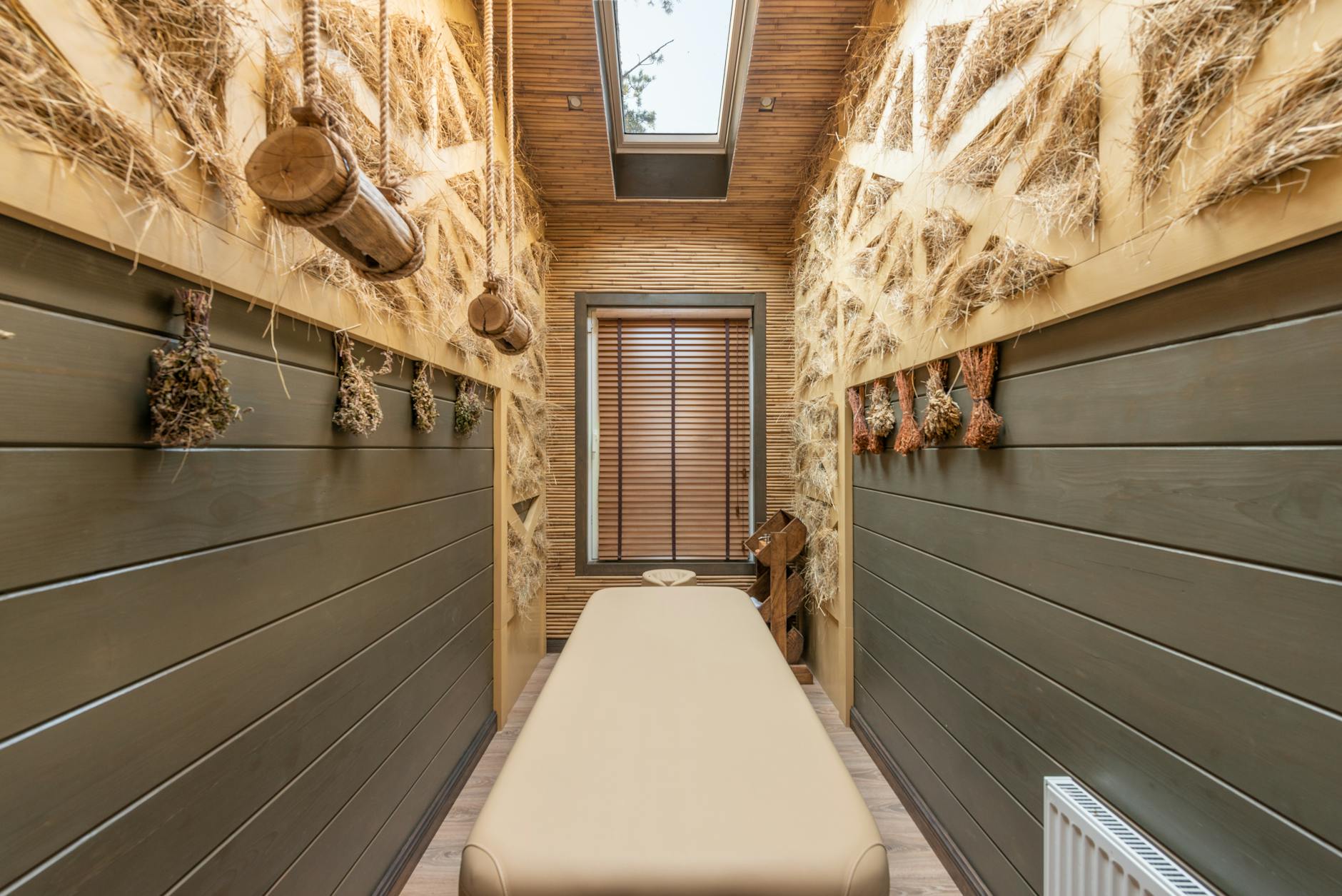
Professional implementation requires specific modifications to standard esthetician equipment. Treatment tables are being fitted with silk-covered cushions and headrests that can be quickly changed between clients. Some practitioners have invested in temperature-controlled silk surfaces that maintain optimal comfort during lengthy procedures.
Sanitization protocols have evolved to accommodate silk materials without damaging their beneficial properties. Professional-grade silk covers undergo specialized cleaning processes that maintain fiber integrity while meeting health department requirements for reusable treatment materials.
The logistics of maintaining silk surfaces in clinical settings has created a new market for specialized laundry services that cater to spa and esthetician needs. These services use pH-balanced detergents and air-drying techniques that preserve silk’s natural properties while ensuring complete sterilization.
Some estheticians report that the visual appeal of silk-enhanced treatment rooms has become a marketing advantage, with clients frequently sharing photos of their luxury experiences on social media platforms. This organic promotion has helped drive demand for silk-based services across different demographics.
Client Response and Market Adaptation
The response from clients has been notably positive, with many reporting improved comfort during treatments and reduced skin irritation in the hours following appointments. This feedback has encouraged more estheticians to experiment with silk integration across various service offerings.
Pricing structures have adapted to reflect the premium nature of silk-enhanced treatments. Most estheticians charge an additional fee ranging from modest add-on costs to premium service pricing, depending on the extent of silk integration and local market conditions.
The trend has influenced product recommendations as well. Estheticians are increasingly suggesting silk pillowcases as part of at-home skincare regimens, creating retail opportunities within existing practices. Many professionals now stock various silk products as part of their treatment room retail displays.
Training programs for estheticians have begun incorporating silk treatment techniques into their curricula. Professional education providers are developing modules that cover proper handling, sanitization, and integration of silk materials in clinical skincare settings.
The professional beauty industry’s embrace of silk pillowcases signals a broader shift toward incorporating luxury comfort elements into clinical treatments. As clients seek more holistic skincare experiences that prioritize both results and relaxation, estheticians who master silk integration may find themselves at the forefront of an evolving industry standard that bridges therapeutic effectiveness with indulgent comfort.
Frequently Asked Questions
How do estheticians clean silk pillowcases between clients?
Professional-grade silk covers undergo specialized sanitization using pH-balanced detergents and air-drying techniques that maintain hygiene standards.
Do silk treatments cost more than regular facials?
Most estheticians charge additional fees for silk-enhanced services, ranging from modest add-ons to premium pricing depending on treatment extent.