

The rows of olive drab jackets and military-issued boots that once attracted only outdoorsmen and budget-conscious shoppers now draw fashion editors, celebrities, and style influencers hunting for their next statement piece. Military surplus stores, traditionally relegated to strip mall corners and industrial districts, have morphed into unexpected treasure troves for high-end fashion inspiration.
Fashion houses began mining military aesthetics decades ago, but the relationship has inverted.
Instead of designers borrowing from military warehouses, discerning shoppers now bypass the runway interpretations and head straight to the source. This shift has transformed dusty surplus stores into curated fashion destinations where vintage field jackets command premium prices and authentic military pieces become wardrobe essentials for style-conscious consumers willing to dig through racks of genuine gear.
From Function to Fashion Statement
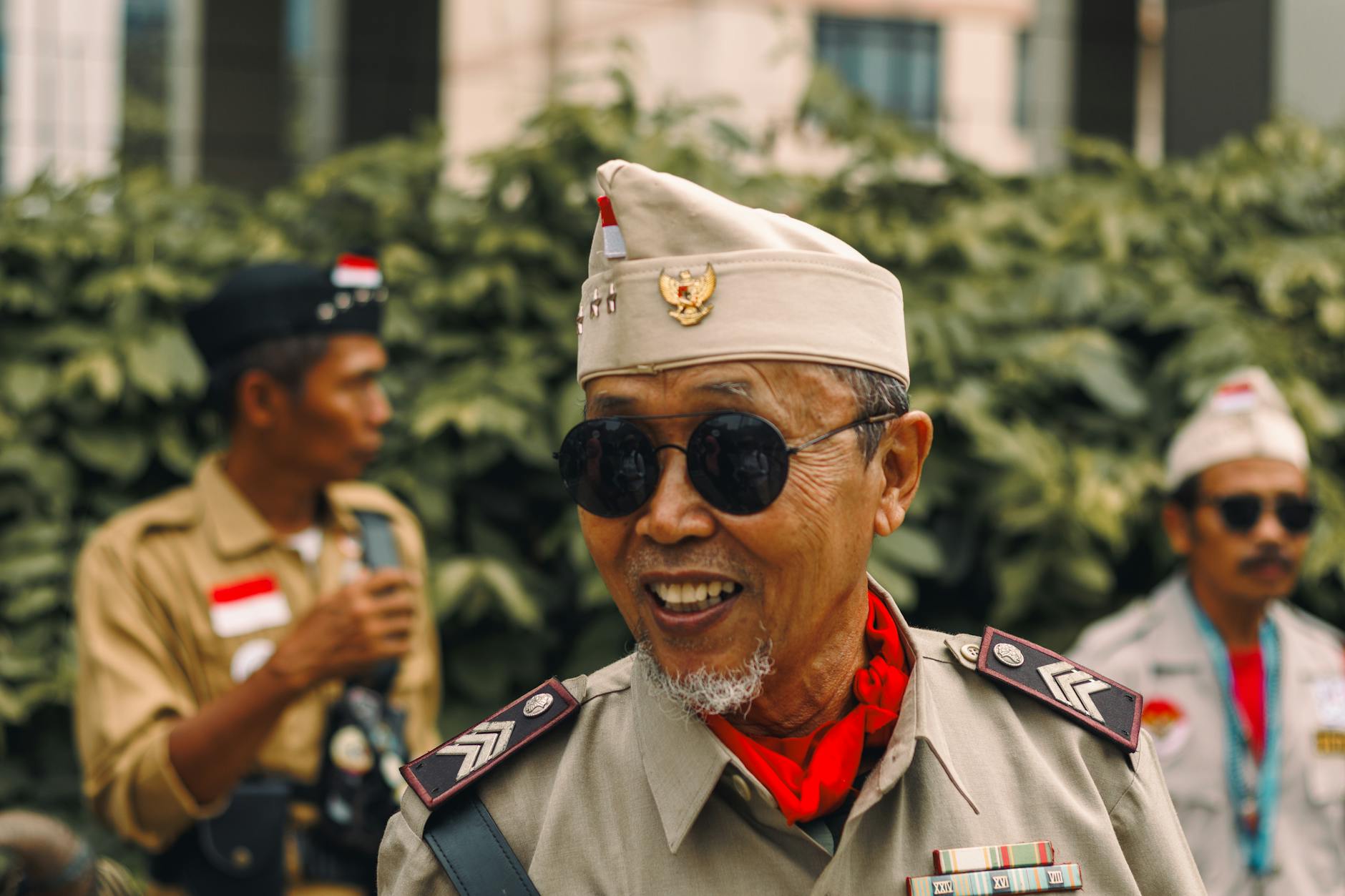
The transformation began when fashion insiders recognized that military surplus offered something luxury brands couldn’t replicate: authentic wear patterns, unique construction details, and materials built to withstand extreme conditions. Vintage flight jackets developed their distinctive leather patina through actual use, while field pants gained their perfectly faded appearance from years of active duty rather than artificial distressing techniques.
Military surplus stores adapted quickly to their evolving clientele. Store owners noticed customers examining garments with the same scrutiny typically reserved for designer pieces, focusing on fabric composition, stitching quality, and historical authenticity. Many surplus retailers began organizing inventory by era and military branch, creating sections that function more like vintage boutiques than utilitarian supply shops.
The appeal extends beyond aesthetics to construction quality. Military specifications demand durability standards that exceed most civilian clothing, resulting in garments that maintain their structure and appearance through repeated wear. A genuine military pea coat uses wool blends and button reinforcements designed for harsh maritime conditions, qualities that translate into exceptional longevity for everyday wear.
The Economics of Military Chic
Pricing dynamics in military surplus have shifted dramatically as fashion demand intersects with limited supply. Authentic pieces from specific eras or conflicts now command prices that rival contemporary designer items, particularly when they feature unique details or come from prestigious military units. A World War II-era leather bomber jacket can sell for thousands of dollars, while modern military-issued items maintain more accessible pricing.
Surplus store owners have developed expertise in authentication and historical context that matches high-end vintage dealers. They can identify manufacturing periods, explain the significance of specific patches or modifications, and verify the authenticity of items that might otherwise be dismissed as generic military clothing. This knowledge adds value for fashion-conscious customers who want pieces with genuine provenance rather than military-inspired reproductions.
The scarcity factor intensifies demand for certain items. Unlike mass-produced fashion, military surplus exists in finite quantities determined by historical production runs and survival rates. When a particular style or era becomes fashionable, available inventory disappears quickly, creating a collector’s market where early adopters benefit from both unique style choices and potential appreciation in value.
Cultural Crossover and Style Integration
Military surplus pieces integrate seamlessly into contemporary wardrobes because they were originally designed as complete systems. Field jackets layer over sweaters with proper proportions, while military trousers feature cuts and rises that complement modern tops without looking costume-like. The utilitarian aesthetic provides a counterpoint to more polished wardrobe elements, creating visual interest through contrast.
Street style photographers frequently capture fashion week attendees incorporating military surplus into otherwise high-end outfits, demonstrating how authentic pieces elevate designer looks rather than competing with them. A vintage military shirt worn under a tailored blazer adds texture and authenticity that mass-market military-inspired pieces cannot match.
The trend has created an interesting dynamic where fashion-forward consumers seek authentic vintage pieces over contemporary interpretations, even when designer versions offer better fit or modern conveniences. The imperfections and variations found in genuine military surplus become selling points rather than drawbacks, as customers prize the individuality that comes with items shaped by actual use and time.

Fashion’s embrace of military surplus represents more than trend cycles or aesthetic preferences – it reflects a broader appetite for authenticity in an era of mass production and fast fashion. When a flight suit originally designed for combat pilots becomes a coveted fashion statement, it signals that consumers increasingly value pieces with genuine history and purpose over items created purely for style consumption.