

When the GAA Kit Became a Style Statement
Hurling jerseys were never designed with fashion in mind. Built for speed, grip, and clan identity, the traditional GAA kit carries the kind of graphic density that streetwear designers have spent decades trying to manufacture from scratch – bold county crests, saturated color blocks, and typography rooted in Irish language and heritage. What’s happening now is that those same jerseys are showing up far outside Croke Park, worn with wide-leg trousers, layered under oversized blazers, or tucked into high-waisted denim on city streets from Dublin to New York’s Lower East Side.
The crossover isn’t random.
Graphic streetwear has been circling back to authenticity for several seasons, pulling away from logo-heavy branding toward pieces with real cultural weight. Vintage football kits from Serie A and the Premier League have already made that journey, landing in the collections of serious vintage buyers and eventually filtering into high-street imitations. The hurling jersey is the next chapter in that same progression – except it carries a cultural specificity that Serie A never quite had. These kits aren’t just sports uniforms. They are visual documents of county pride, language, and identity that have barely changed in form over generations.
The Graphic Language Already Built In
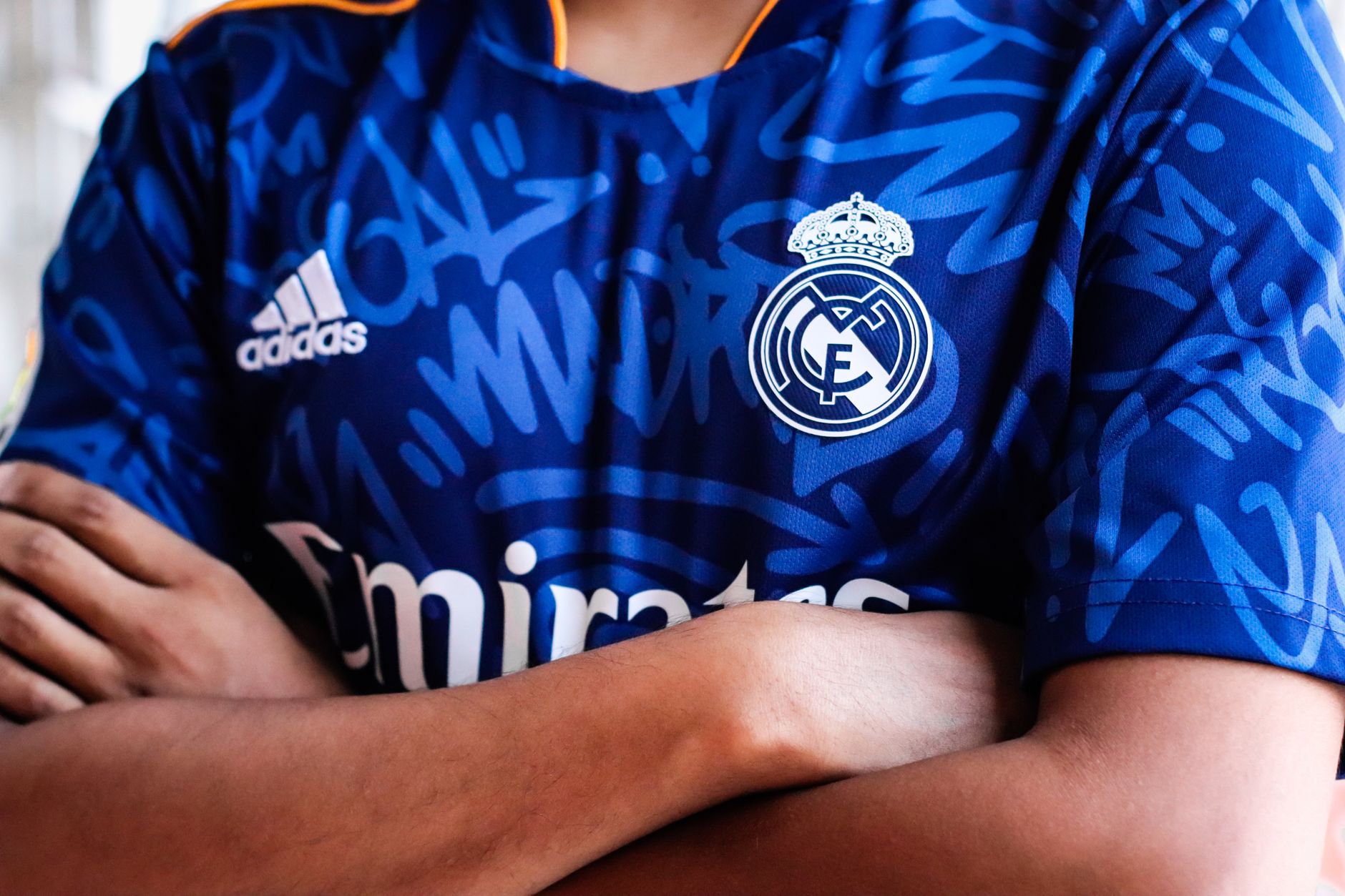
Look at a Kilkenny jersey – black and amber hoops, clean and almost brutalist in their simplicity. Or a Tipperary shirt with its bold blue and gold, the crest pressed cleanly over the left chest. These designs carry a visual confidence that most streetwear graphics spend months in development trying to achieve. The color combinations are often striking in ways that feel accidental and therefore more interesting than anything a brand creative director would pitch in a trend meeting. County crests draw on heraldic imagery – towers, stags, lions, sailing ships – rendered in that particular flat-color style that reads as both archaic and genuinely contemporary.
What makes the hurling jersey work as a streetwear piece, rather than a novelty, is proportion. The cut is generous across the shoulders and slightly boxy through the torso, which mirrors exactly the silhouette that has dominated street style for several years. The fabric weight tends toward technical polyester mesh, which sits in interesting tension with heavier outerwear – a padded gilet, a structured wool overcoat. That friction between athletic and constructed dressing is where the look finds its edge. It doesn’t look dressed up or dressed down. It looks deliberate.
The typography factor deserves its own attention. Many jerseys carry text in Irish – county names, club names, sponsor references – in typefaces that blend traditional Gaelic script forms with modern print production. That kind of type-as-graphic-element has been central to streetwear’s visual vocabulary since the early 2000s, and the hurling jersey offers a version that isn’t borrowed or licensed. It exists on its own terms.
How Stylists and Street Dressers Are Actually Wearing It
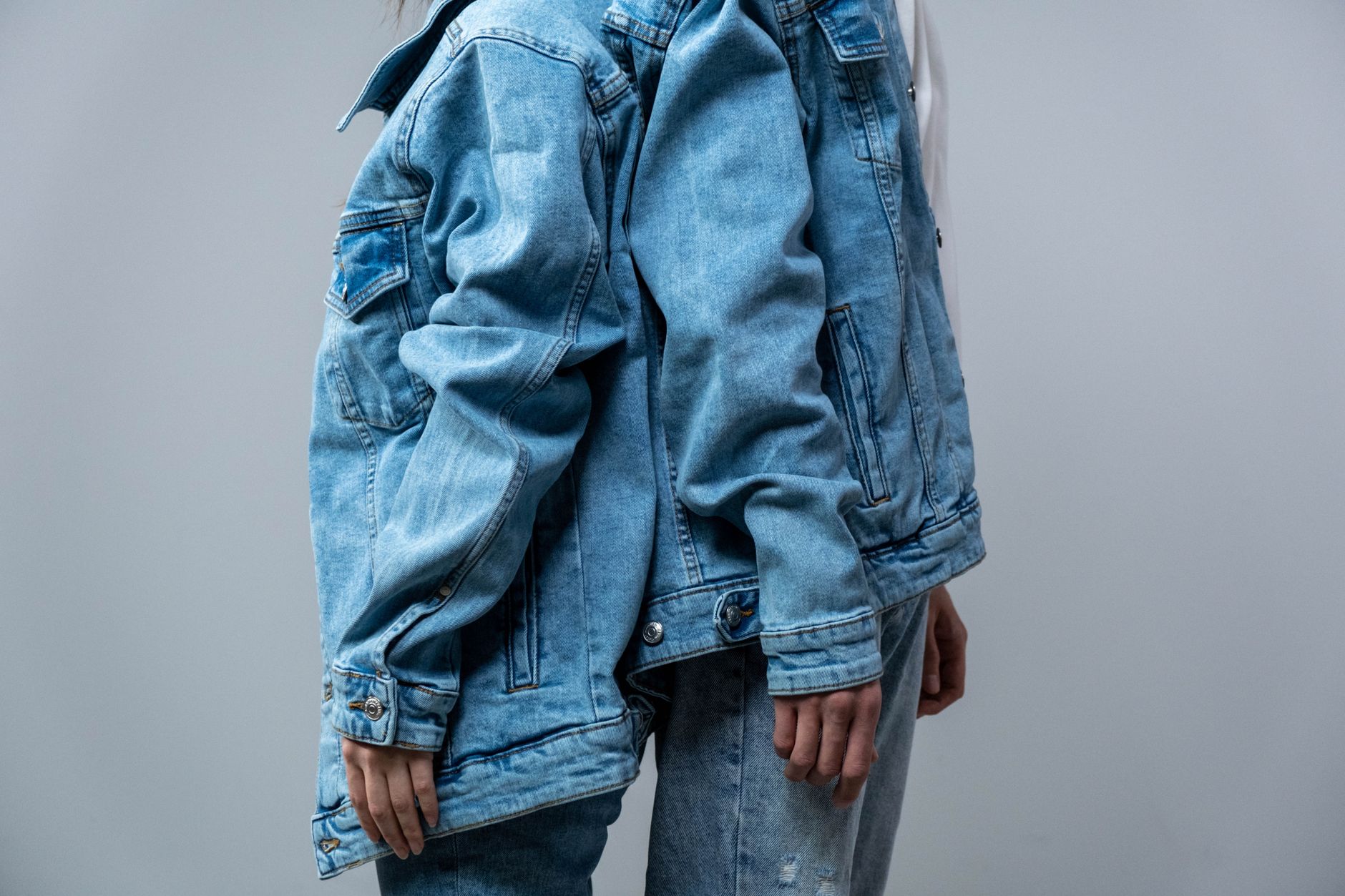
The styling language emerging around hurling jerseys borrows from the same playbook that elevated vintage football kits: wear it as a top, not a costume. Paired with tailored wide-leg trousers in a neutral – charcoal, oatmeal, navy – the jersey functions as the graphic element in an otherwise structured outfit. The sports context fades quickly when the rest of the look reads as considered. Add leather footwear rather than athletic trainers and the register shifts further.
Layering is the other approach gaining traction. Wearing a hurling jersey beneath a lightweight knit or an open shirt turns it into a visible underlayer, with the collar and hem peeking through. This technique works particularly well with the more graphically busy jerseys – the crest and color blocks become a background texture rather than a focal point, which paradoxically makes the garment feel more integrated into a full look. The relationship between athletic construction and knitwear layering is something stylists have been exploring for multiple seasons, and the hurling jersey slots into that conversation without forcing it.
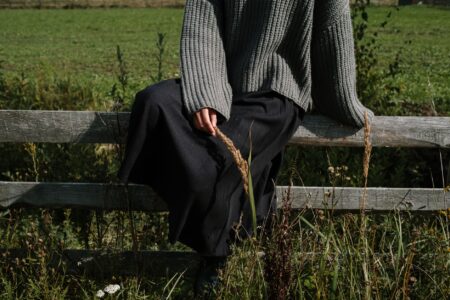
Women’s styling of the jerseys has taken a different direction. Tucked into midi skirts – particularly bias-cut satin or heavy canvas styles – the jersey reads as a deliberate contrast piece rather than a sports reference. The volume sits above the waist, the graphic faces forward, and the overall effect is closer to vintage workwear or a painter’s smock than anything athletic. Several independent stylists working in Dublin and London have posted this combination, and the response in those circles has been consistently stronger than ironic or nostalgic framing would typically generate.
Why This Trend Has More Staying Power Than It Looks
Sport-to-street crossovers usually burn fast because the piece in question gets absorbed into mainstream retail within two seasons and loses the quality that made it interesting – specificity. Hurling jerseys won’t follow that path easily. They aren’t commercially available through the kind of channels that accelerate trend cycles. You buy them from county boards, club shops, GAA-affiliated retailers, or the dedicated sportswear manufacturers that supply the league. That distribution structure keeps volume low and discovery personal. You find them, rather than having them marketed to you.
There’s also a cultural gatekeeping dimension that works in the trend’s favor. Wearing a hurling jersey carries meaning for anyone with a connection to the GAA, and that meaning doesn’t disappear because the garment has been adopted by fashion circles in other cities. If anything, the adoption creates a layer of dialogue – between the jersey’s original context and its new one – that most streetwear pieces simply don’t have. That dialogue is what keeps a piece interesting past the first season of visibility.
The hurling jersey trend will sharpen its own edges as it develops, which means the window for wearing one before it becomes a recognizable signal rather than a discovery is already closing. Anyone who has watched what happened to the Gaelic football jersey in mid-2010s London fashion circles will know that the genuinely interesting phase is short – and it tends to end the moment a major retailer produces a version with the crests removed.
Frequently Asked Questions
Why are hurling jerseys popular in streetwear now?
Their bold county crests, saturated color blocks, and boxy athletic cut align closely with current streetwear silhouettes and the broader appetite for pieces with genuine cultural specificity.
How do you style a hurling jersey outside a sports context?
Pair with wide-leg tailored trousers and leather footwear, or layer beneath a lightweight knit or open shirt so the crest and colors read as a graphic underlayer.