


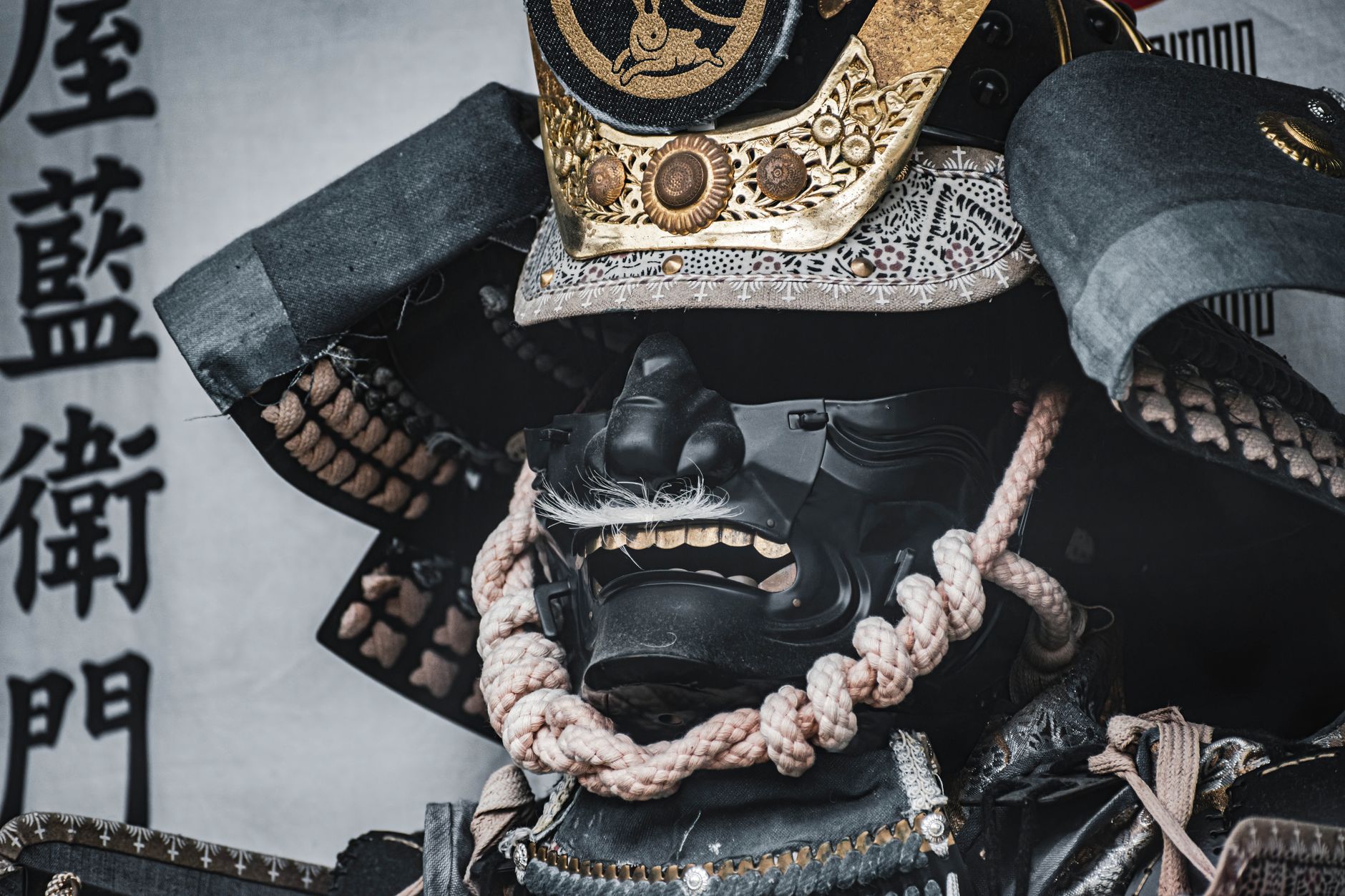
Kendo armor carries centuries of functional logic, and the cords that bind it – the do waist cords, specifically – are drawing attention far outside the dojo. Designers and stylists are studying how these flat, tightly woven cords lock into layered knots at the hip, and translating that structure directly into belt construction for ready-to-wear and runway pieces.
Why Kendo Cord Construction Caught Fashion’s Eye
The do in kendo armor refers to the chest and waist protector, held in place by cords that wrap around the body and tie at the back or side in a flat, deliberate knot. Unlike decorative bows, these knots are functional by design – they distribute tension evenly, stay flat against the body, and do not loosen under movement. That combination of visual restraint and structural reliability is exactly what belt designers have been searching for as the market moves away from oversized hardware and toward quieter, more considered closures.
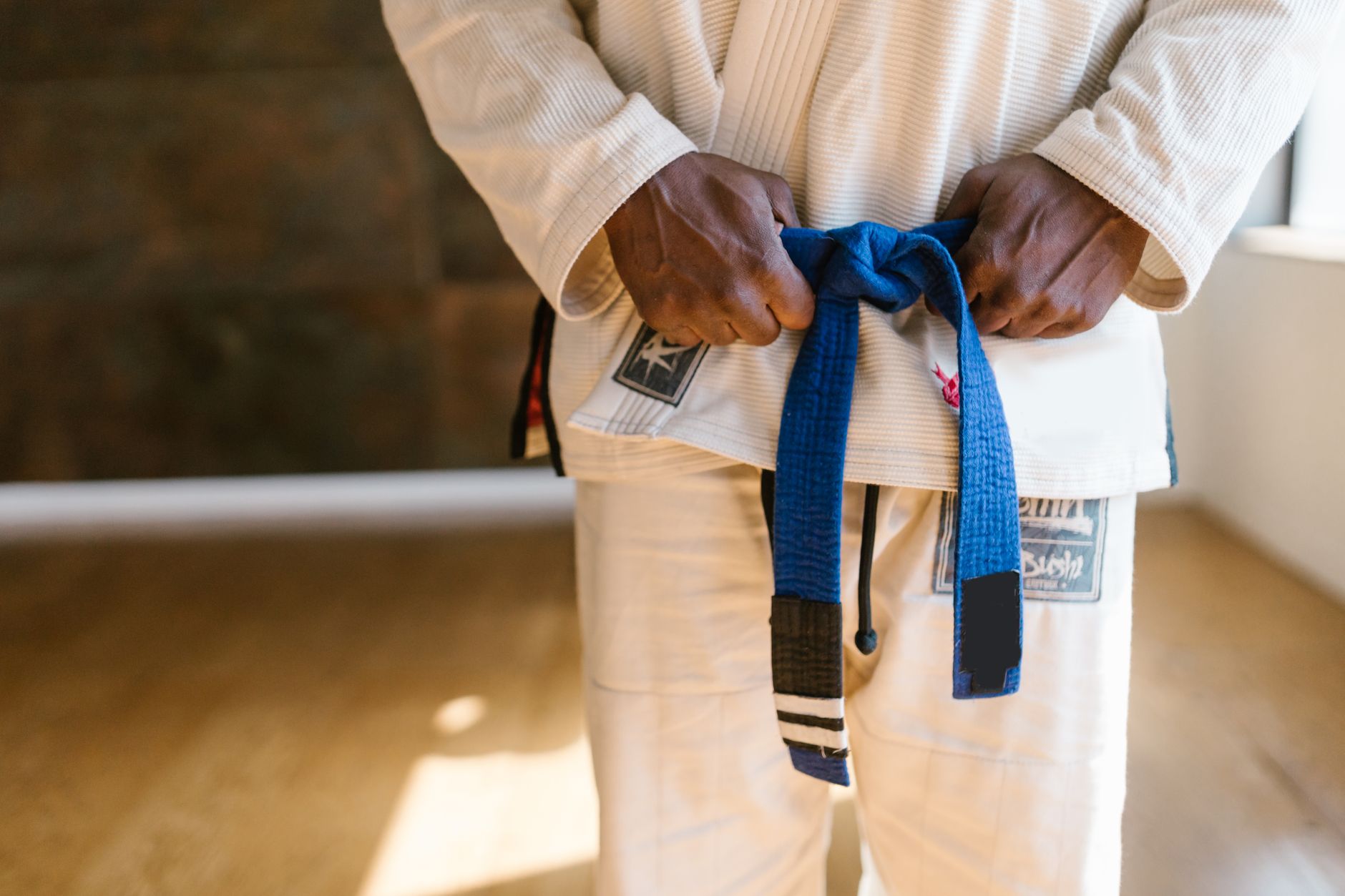
The knot itself is the focal point. Kendo waist cords produce a layered, almost architectural knot when tied correctly – multiple flat bands stacking against each other, creating depth without bulk. When applied to a fashion belt, that same construction reads as deliberate and refined rather than athletic or ceremonial. The reference is subtle enough that most wearers would not immediately identify the origin, but the silhouette carries a specificity that separates it from generic knotted belts.
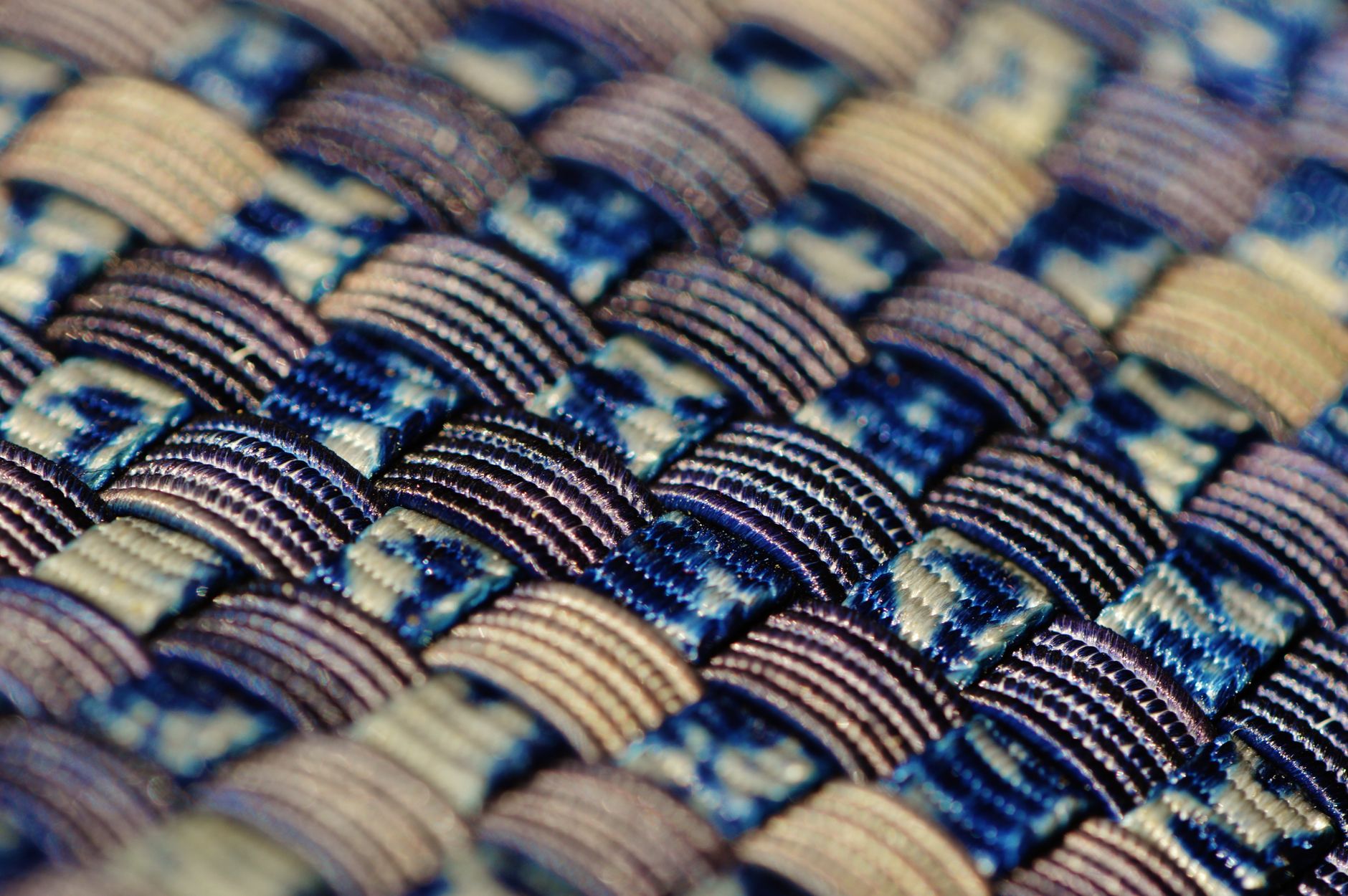
Woven cord materials are central to why this works. Traditional kendo cords use flat braided cotton or silk-blend fabric, which holds a knot without slipping and lies flush against the body. Fashion adaptations are working with similar materials – flat grosgrain, tightly woven cotton twill, and structured silk ribbon – because these fabrics behave the same way. They hold shape, stack cleanly, and photograph with a crispness that leather or chain belts do not achieve at the waist knot.
The placement logic matters too. Kendo cords tie at the side or back of the body, keeping the front panel of the armor uninterrupted. Fashion designers adapting this structure are using the same placement principle – moving the knot detail to the side hip rather than the front center, which creates an asymmetric focal point that works particularly well with wide-leg trousers and column skirts. The knot becomes a waist detail you discover rather than one that announces itself immediately.
How the Knot Is Being Built Into Contemporary Belts
Several approaches are emerging as designers work out how to translate the kendo cord knot into a wearable accessory. The most direct interpretation uses a single long flat cord – typically between two and three centimeters wide – that wraps twice around the waist before tying. The double wrap creates the stacked layering that gives the knot its structural quality, and the tail ends are tucked rather than left loose, keeping the silhouette controlled.
A more constructed approach builds the knot as a fixed element. The belt is cut and sewn so that the knot shape is already formed, with a hidden closure underneath – a hook-and-bar or small magnetic clasp – doing the actual fastening work. This version sacrifices some of the authenticity of the tied cord but delivers consistency: the knot looks identical every time, which matters for commercial production where a hand-tied result would vary between wearers. Early adopters of this method are finding it particularly effective in suiting contexts, where a cleanly tied side knot replaces the traditional leather tab-and-buckle belt entirely.
Color and material choices are driving how formal or casual the finished belt reads. Natural undyed cotton cord, tied at the hip, sits comfortably within relaxed tailoring and elevated casual dressing. The same knot structure executed in black lacquered grosgrain or matte silk moves immediately into evening and occasion wear territory. Tonal combinations – a cord that matches the garment fabric precisely – allow the knot to read as a structural detail rather than an accessory, which is where the most interesting styling applications are happening.
Width variation is another variable designers are testing. Standard kendo do cords run narrow and flat. Fashion adaptations are experimenting with wider cord widths – up to five or six centimeters – which produce a more sculptural knot with more visual weight. At that width, the belt functions more like a wide sash with a knotted closure than a traditional belt, and the resulting silhouette has more in common with Japanese obi styling than Western belt conventions. The crossover between those two references is intentional in some cases, and worth paying attention to as the trend develops. It connects to a broader interest in functional textile hardware – not unlike the structured handle and wrapping details appearing in grip-wrapped accessories elsewhere in the accessories market.
Styling the knot correctly requires understanding how flat cords behave differently from round cords or leather. Flat cords must be kept under tension during wrapping or the layers will shift and the final knot will look uneven. The technique is learnable but specific – which is part of why fixed-knot versions are gaining traction for retail, while the hand-tied cord interpretation is staying largely within styling and editorial contexts for now.
What This Means for Accessories Going Forward
Belt hardware has been quietly contracting for several seasons – fewer visible buckles, smaller prongs, a general preference for closures that do not draw attention to themselves. The kendo cord knot fits neatly into that direction because it closes a garment without any metal hardware at all, relying entirely on the structure of the textile and the tying technique. For designers working with sustainable or minimal-hardware briefs, that is a practical as much as aesthetic consideration.
The question the trend leaves open is longevity. Knotted belt references appear periodically in fashion and tend to cycle through in one or two seasons before hardware reasserts itself. What is different this time is the specificity of the source material – the kendo cord is a precise technical reference with a distinct knot structure, not a generic bow or tie. Whether that specificity gives it more staying power than previous knotted belt moments, or simply makes it a more refined version of the same passing trend, is the tension the accessories market has not yet resolved.