


Walk down the skincare aisle of a typical drugstore and the shelf labels tell a new story. Retinol, vitamin C and hyaluronic acid once dominated the anti-aging claims. Now the word “peptide” shows up on moisturizers, eye creams, serums and overnight masks, at prices that used to buy a basic lotion. The ingredient itself is not new, since cosmetic chemists have used peptides for years, mostly in prestige and dermatologist-sold lines. What has changed is where they sit and who is reaching for them.
Peptides have moved down the price ladder.
Peptides are short chains of amino acids, the same building blocks that form proteins like collagen and elastin. In skincare, the pitch is that certain peptides work as messengers, signaling skin cells to behave in ways associated with firmer, smoother-looking skin. Others are designed to carry minerals such as copper, or to soften the look of expression lines. That variety is part of the marketing appeal and part of the confusion, because the single word “peptide” covers dozens of different ingredients with different jobs. A drugstore shopper is seeing one buzzword stretched across a very wide category, and the details matter more than the front label suggests.
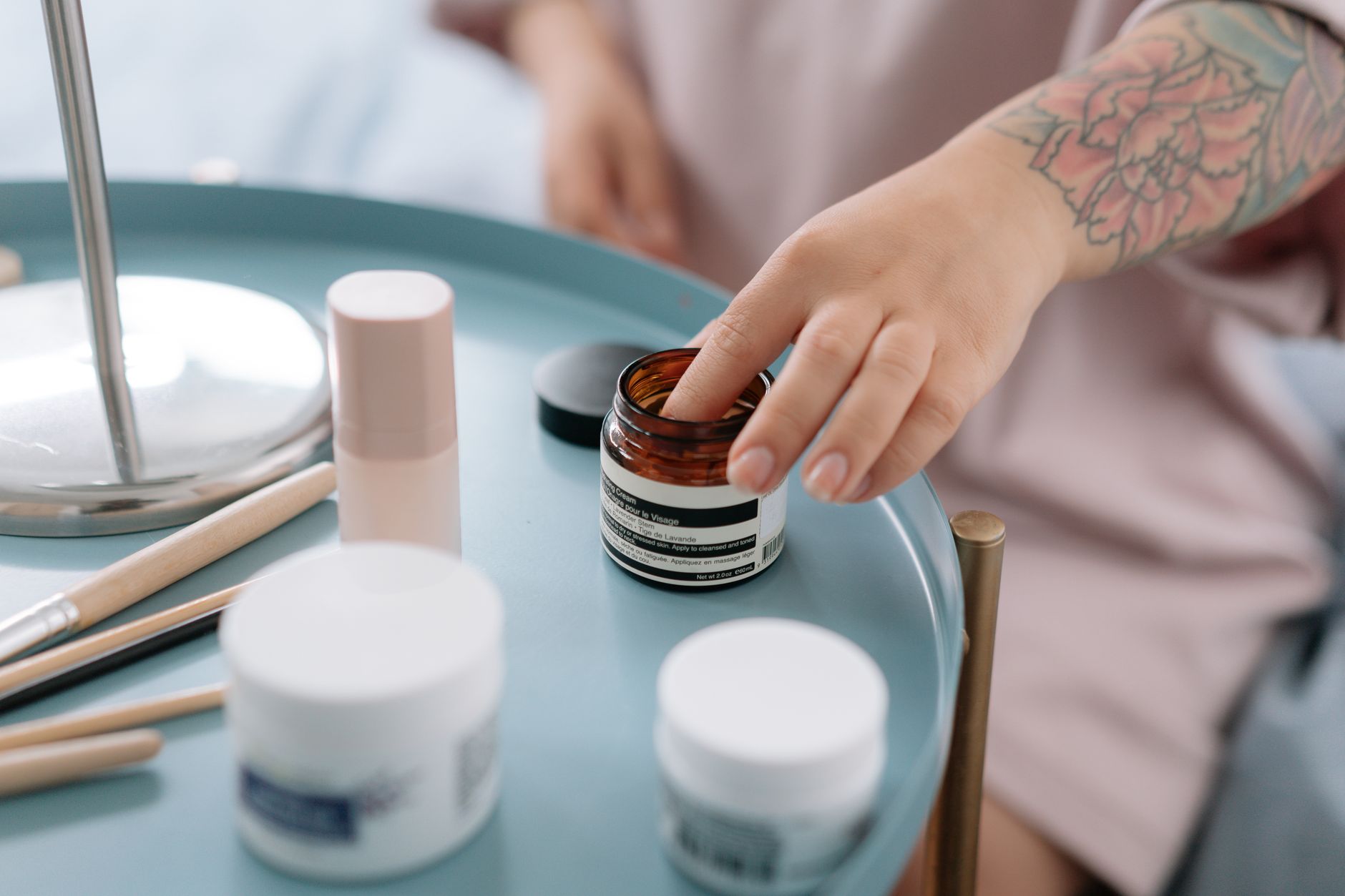
Why the Drugstore Shelf Suddenly Makes Sense for Peptides
The simplest explanation is tolerance. Retinoids come with a learning curve: a slow ramp-up, flaking for some people, strict sunscreen habits and a lot of trial and error. Peptides rarely sting, and they layer easily into a routine without a schedule. That makes them an easy sell in an aisle with no consultant to explain how to introduce an active. Shoppers who have already drifted toward gentler options, such as the plant-derived retinol alternative covered in Why Bakuchiol Is Winning Over Retinol Skeptics This Year, are exactly the audience a low-drama peptide moisturizer is built for.
Sourcing is the second piece. Peptides were once expensive to produce, and prestige pricing reflected that. As more ingredient suppliers offer cosmetic-grade versions, mass brands have found it easier to include them, often at modest levels inside a formula that is otherwise a solid, affordable moisturizer. That is not a criticism. A well-made cream with a peptide blend, ceramides and glycerin can be a perfectly good daily product, and the lower price removes the risk of paying luxury money for a trial.
Then there is the packaging language, which does a lot of work. “Peptide complex,” “collagen-boosting” and “firming blend” are phrases that sound scientific while promising very little in strict terms. Drugstore brands have learned that the word sells on its own, which is why it now sits near the top of the box even when the ingredient sits near the bottom of the list. Skin-care shoppers have noticed. A growing number now flip the package over before they commit, and that habit is the most useful one to build.
How to Read a Peptide Label Before You Buy
Start with the ingredient list, not the front of the box. Real peptide ingredients usually carry names that look like chemistry homework, such as palmitoyl tripeptide-1, palmitoyl tetrapeptide-7, acetyl hexapeptide-8 or copper tripeptide-1. If you cannot find anything like that, the “peptide” on the front may be referring to a protein extract or a vague blend. Position also matters. Ingredients are listed in descending order of concentration, so a peptide that appears after the fragrance and the preservatives is likely present in a very small amount. Brands rarely disclose exact percentages, which means order is the best clue you have.
Expectations deserve some honesty, too. The research on cosmetic peptides is mixed, and a good portion of it comes from small studies, often involving the companies that make the ingredients. Peptides are unlikely to match prescription retinoids for visible wrinkle reduction, and no cream replaces sunscreen as the foundation of any anti-aging routine. What a peptide moisturizer can reasonably deliver, over several weeks of consistent use, is better hydration, a smoother feel and skin that looks a little more rested. That is a modest promise, but it is a believable one, and it is a better way to judge a product than waiting for dramatic change.
Application is simple. Use a peptide serum or cream after cleansing, before heavier moisturizers and sunscreen in the morning, or as the last step at night. Look for opaque tubes or pump bottles over open jars, since light and air can degrade delicate ingredients over time. Copper peptides in particular are often paired with advice to keep them away from strong acids and certain forms of vitamin C in the same step, so check the brand’s instructions and consider alternating by time of day if you are unsure. Patch test anything new, especially if you have reactive skin, because a gentle ingredient does not guarantee a gentle formula.
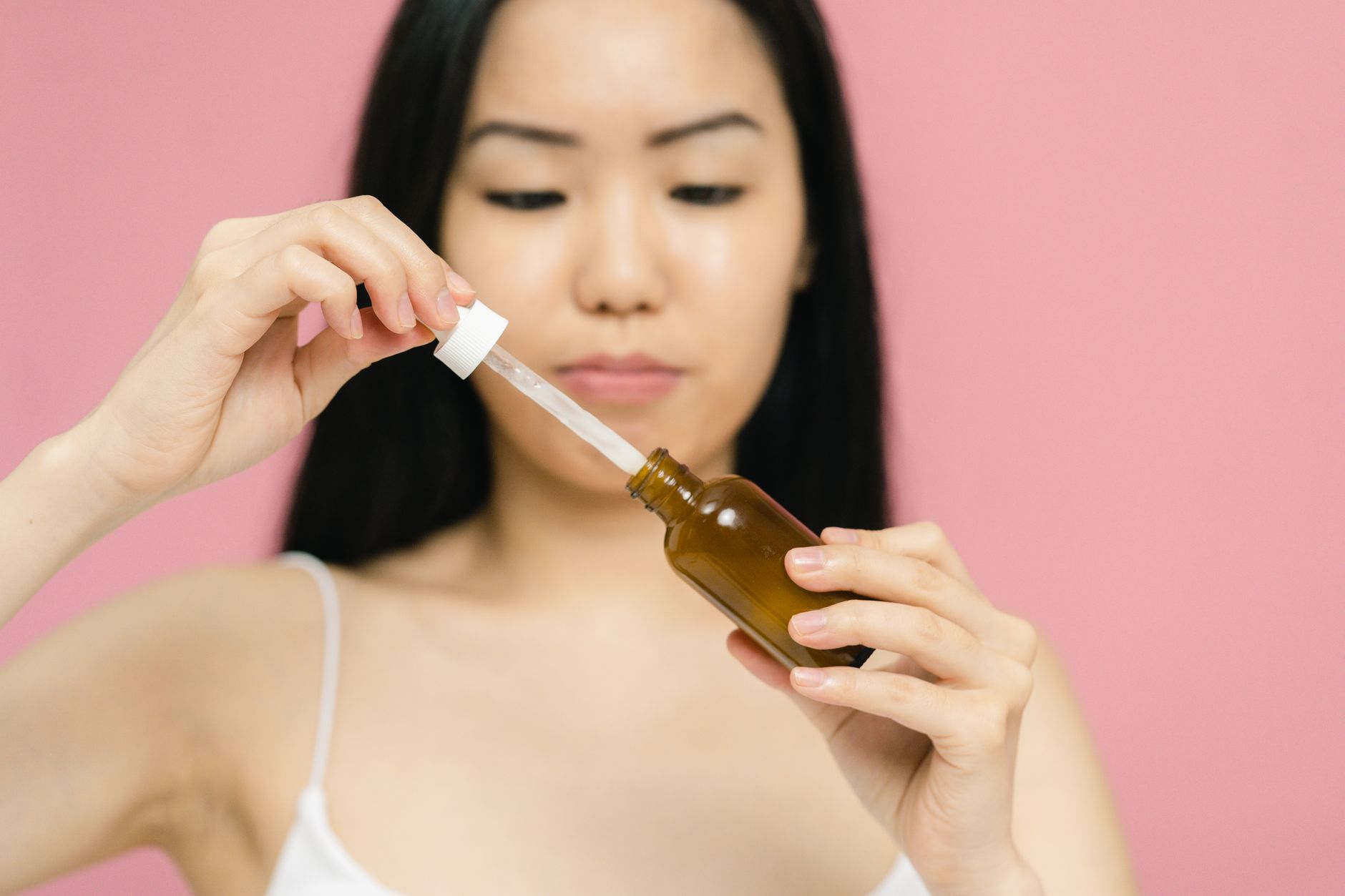
The most honest test is also the least glamorous: turn the box over, find the peptide on the ingredient list, and see how far down it sits before you pay for the promise on the front.