

When Horse Country Hardware Meets Fashion’s Quietest Obsession
The D-ring is not a new invention. It has anchored breastplates to polo ponies, secured tack across centuries of equestrian sport, and lived an almost entirely utilitarian life in the shadow of more decorative hardware. What is new is seeing it reappear on the chest of a runway look – positioned with deliberate geometry, paired with minimal suiting, and styled as though it were always meant to be there.
A growing number of designers are pulling directly from equestrian tack catalogs for their hardware references, and the polo club breastplate D-ring has become a quietly sought-after detail in harness silhouettes. Unlike the chunky O-ring or the overtly fetish-coded buckle, the D-ring carries a specific visual language: precise, functional, grounded in a world of sport and tradition. That combination is exactly what is driving its current appeal in minimalist fashion circles.

The Architecture of Equestrian Hardware
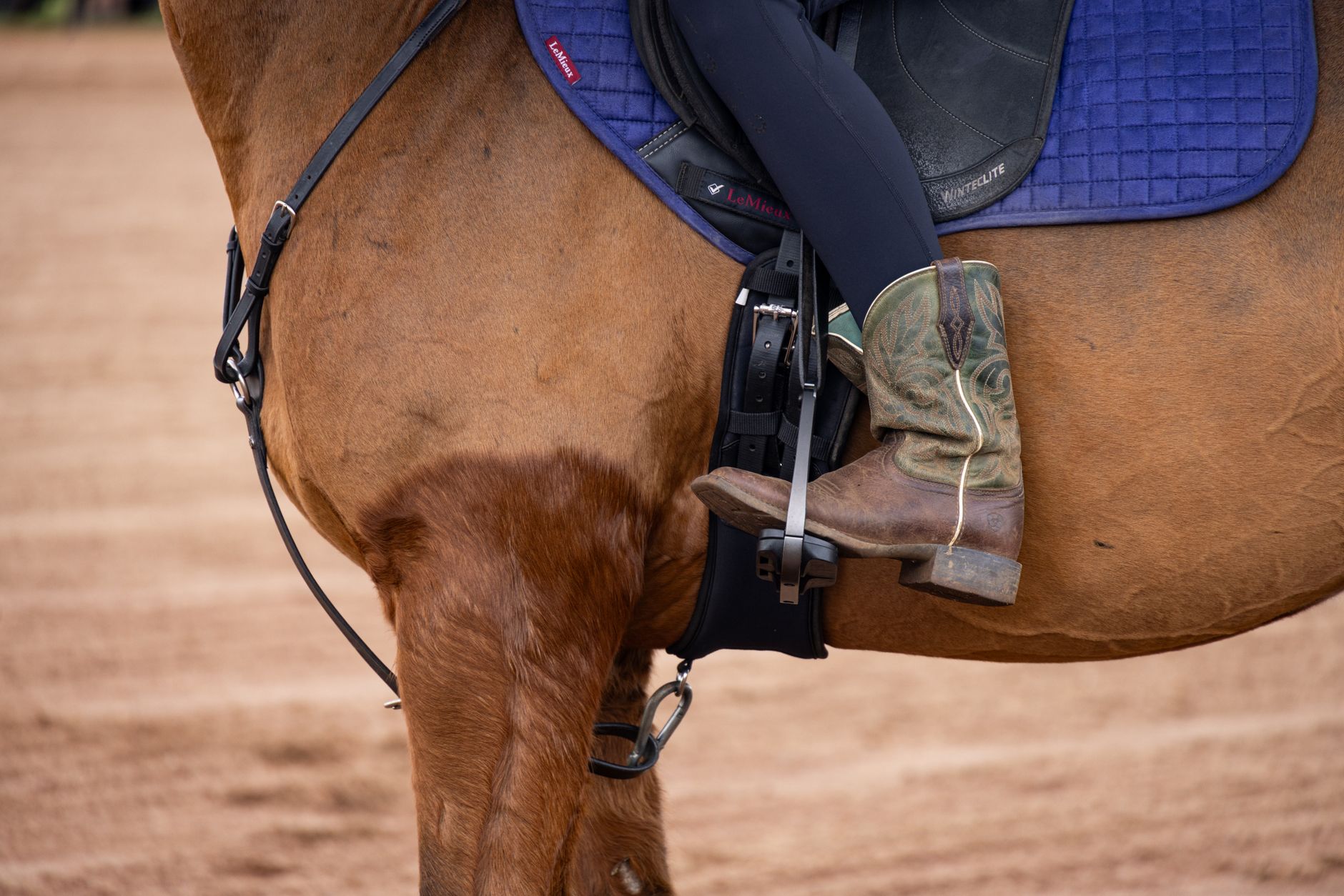
A traditional polo breastplate uses D-rings at key junction points – where straps meet the chest strap, where tension distributes across the horse’s body. The flat side of the D sits flush against the leather, while the curved edge bears the load. What makes this hardware distinctly different from generic metal rings is the way it implies direction and force. There is a structural logic built into its shape, and that logic reads immediately on the body of a garment.
Harness silhouettes in fashion have always relied on hardware to do heavy visual work. A strap without a convincing anchor point reads as costume. But drop a well-placed D-ring into the equation and the entire silhouette gains credibility – a sense that the garment is held together by intention rather than decoration. The equestrian reference adds another layer, borrowing from a world where hardware failure actually has consequences, where precision is non-negotiable.
The current movement toward polo-specific breastplate D-rings rather than generic hardware is not accidental. Polo breastplate fittings tend to run heavier in gauge than standard fashion hardware, with a proportional weight that photographs differently – less jewelry, more infrastructure. That slight overscale quality is part of what makes them feel grounded rather than precious, which is essential for the stripped-back aesthetic they are being paired with right now.
Why Minimalism Needs an Anchor Point
Minimalist dressing carries an inherent tension: the less you add, the more weight each remaining element carries. A harness silhouette built from clean leather or matte webbing with no hardware becomes shapeless. Add the wrong hardware – something too decorative or too small – and the eye has nowhere specific to land. The D-ring solves this by offering a focal point that feels earned rather than applied, structural rather than ornamental.
This is the same logic that has brought plastron hooks from fencing jackets into avant-garde outerwear – sport-derived closures carry a physical authority that purely decorative fastenings simply cannot replicate. The body reads them differently, almost instinctively recognizing that these forms have a history of actually holding things together under pressure.
How the Trend Is Being Worn
The styling signatures emerging around this hardware detail are consistent across the brands and independent designers experimenting with it. The D-rings appear in multiples rather than as a single accent – typically three or four positioned across the chest in a pattern that mirrors the actual spacing of equestrian tack. Strap widths stay narrow, usually between one and two centimeters, which keeps the overall effect more precision instrument than bondage-wear.
Colorwise, the pairing skews toward the predictable but effective: black leather or matte vegan alternatives with raw brass or aged silver hardware. Some designers are pushing into ivory and cream territory, where the horse-world reference becomes more literal and the overall look edges toward something that could plausibly be worn to an actual polo match – or at least somewhere adjacent to one. The contrast between pale ground and dark hardware is doing a lot of visual work in these versions.
Layering is where this detail gets genuinely interesting as a styling practice. A harness piece with polo D-rings worn over a tailored white shirt reads as rational and controlled. The same piece over a sheer or draped top shifts into something more deliberately unresolved. The hardware stays consistent in its weight and reference, but the garment underneath changes the entire register of the look – which gives the silhouette an unusual range for what is essentially a single structural piece.
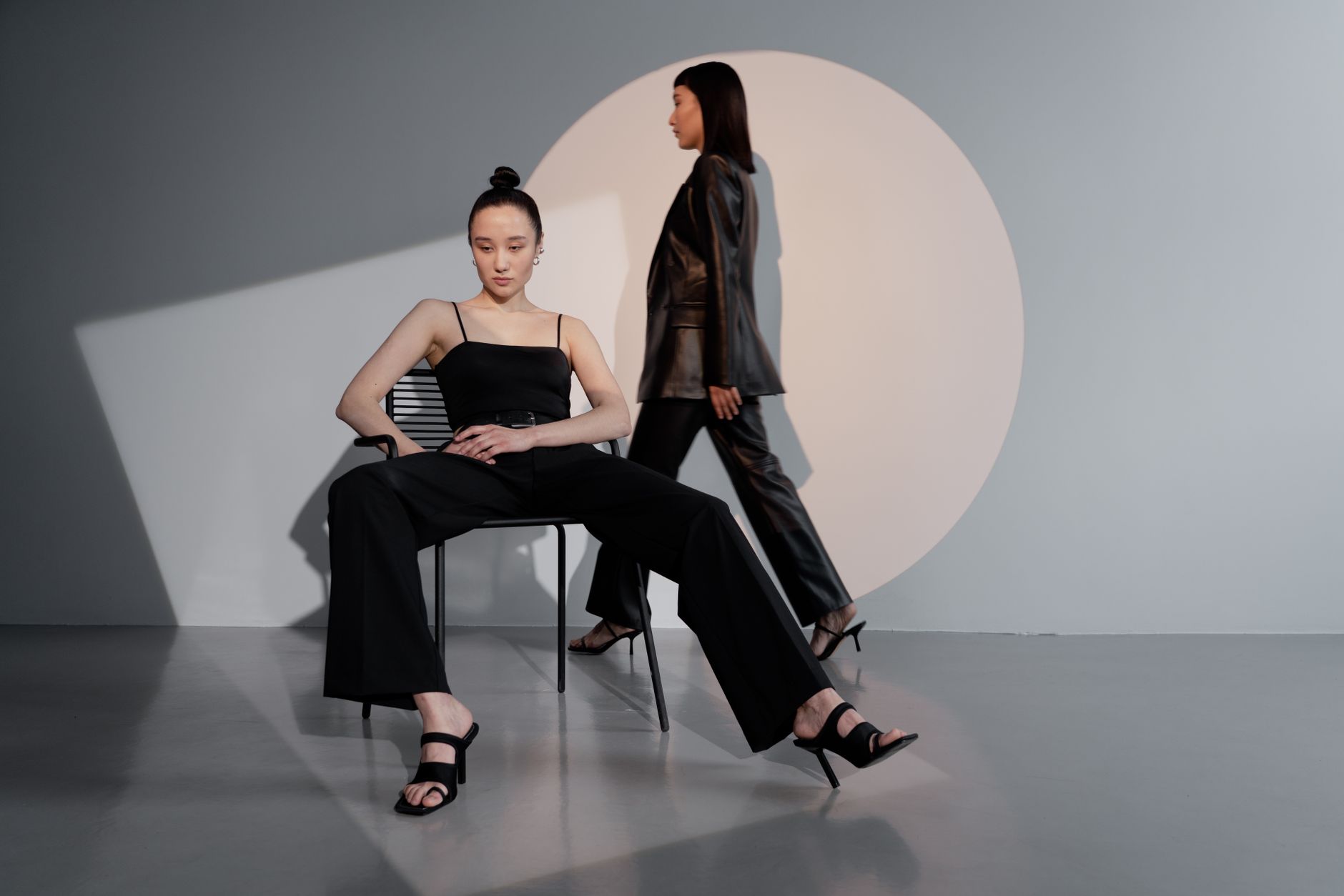
The accessories conversation around this trend is still developing. Bags with D-ring attachments in the same gauge are appearing alongside the harness pieces, and there is an obvious logic to building an entire hardware language across a look rather than isolating the detail to the chest. But the most interesting iterations so far are the ones that stop before going too far – a single harness piece, clean trousers, nothing else competing for attention. The D-ring earns its place precisely because the surrounding garments refuse to fight it for dominance.
What remains unresolved is where this sits in relation to accessible dressing. Equestrian hardware at fashion-grade quality does not come cheap, and the brands doing this well are not the ones making it easy to replicate on a budget. The gap between a convincing polo breastplate D-ring harness and a fast-fashion approximation is immediately visible – partly gauge, partly finish, but mostly in the strap construction that allows the rings to sit correctly rather than skew and pucker under the weight of being looked at.
Frequently Asked Questions
What is a polo breastplate D-ring in fashion context?
It refers to the flat-sided metal D-shaped ring used in equestrian tack, now being incorporated into fashion harness designs for its structural weight and sport-derived visual authority.
How do you style a D-ring harness for a minimalist look?
Keep surrounding pieces simple – tailored trousers or a clean shirt underneath – and let the hardware do the visual work without competing accessories.