

From the Paddock to the Vanity Table
Polo club aesthetics have always carried a particular visual authority – the stiff collar, the leather boot, the tight-wound browband plait sitting flat against a horse’s forehead with almost architectural precision. What’s happening now is that the plait itself, stripped from its equestrian context, is showing up in sculptural hair jewellery: as the structural logic behind wire-threaded braids, gold-capped plait ends, and rigid headband constructions that mimic the look of a groomed competition horse more than anything seen on a runway before this season.
The browband plait is a very specific thing.
In competition polo and dressage-adjacent grooming traditions, plaiting a horse’s forelock into a tight, even braid secured against the browband is a mark of discipline and care – it keeps the hair controlled, signals preparation, and creates a clean line that reads well in motion. Fashion, characteristically, has absorbed the visual grammar without the function. What’s being sold now as “sculptural hair jewellery” borrows the tight, segmented geometry of those plaits and translates it into something you wear, not something you maintain on a Thursday morning before a match.
The Geometry Behind the Trend
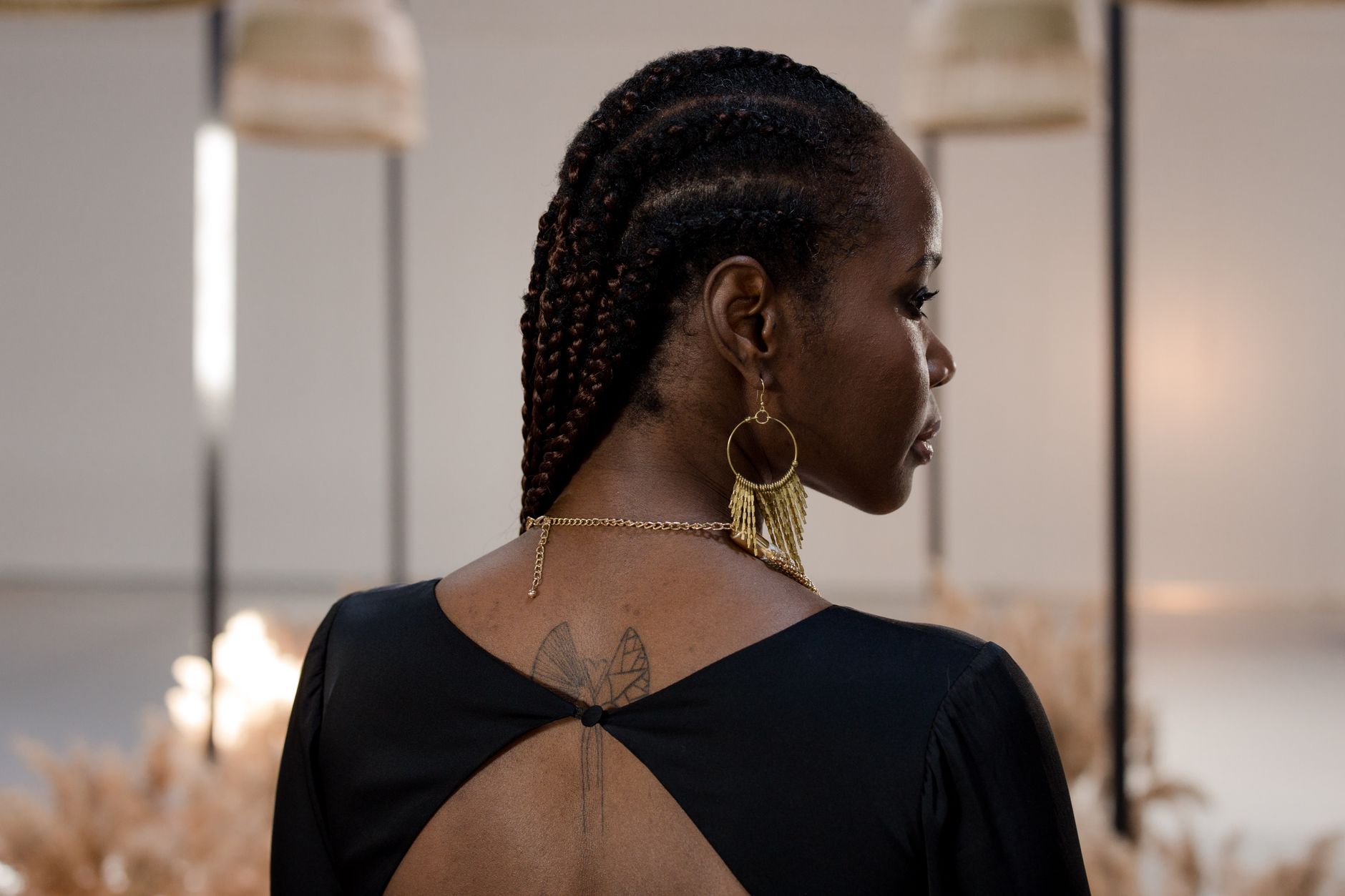
The browband plait works as a fashion reference because it is inherently precise. Each segment is the same width. The tension is even. The finished braid sits flat rather than rounded, which means it catches light differently than a loose French braid or a bohemian fishtail – it reads as intentional, almost mechanical. Hair jewellery designers working with this reference are leaning into that rigidity, producing pieces where the plait shape is fixed in metal or resin rather than actually braided from living hair. A sculptural cuff that clamps over a single thin braid, mimicking a polo-plaited finish, or a rigid headband with plait-like ridges pressed into the surface – these are the forms circulating in independent accessory collections right now.
There is also a colour logic at work. Traditional browband plaiting in polo contexts uses the horse’s natural hair, sometimes with ribbon woven through in club colours – dark navy, forest green, deep burgundy. The hair jewellery picking this up tends to stay in the same register: dark metal finishes, tortoiseshell resin, occasional ribbon-threaded detail through a braid cuff. The palette signals heritage without requiring any explicit polo reference in the product name or marketing. Consumers who know the source recognise it immediately; those who don’t simply register it as refined.
What makes this different from the broader equestrian trend that surfaces every few seasons is specificity. Previous equestrian fashion moments gravitated toward the riding boot, the hacking jacket, the velvet helmet cover. This one is narrower – focused on a grooming gesture that most people outside polo and dressage circles have never looked at closely. That specificity is part of the appeal. The browband plait is obscure enough to feel like a discovery rather than a costume.
Sculptural Hair Jewellery as a Category
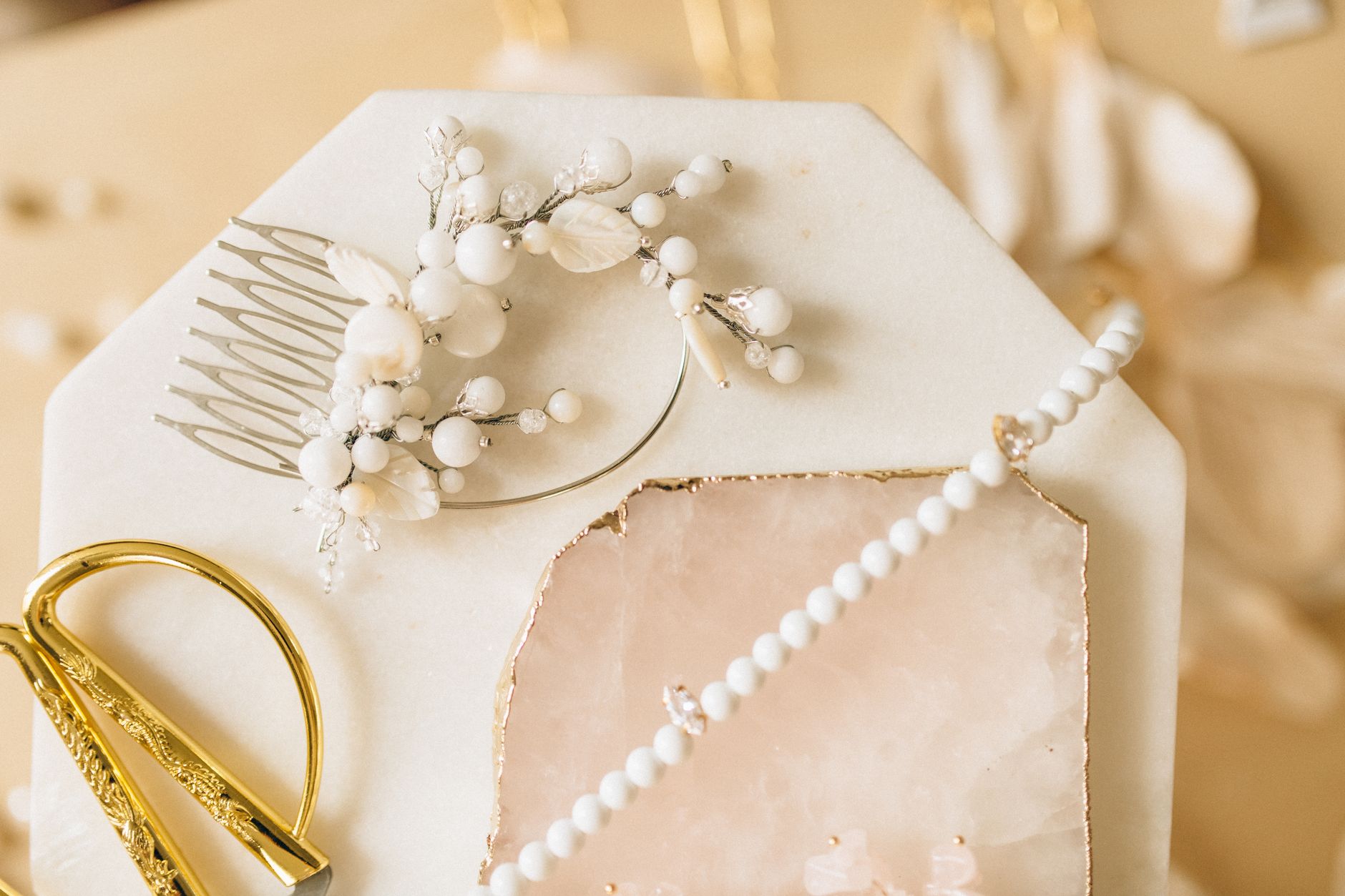
Hair jewellery as a distinct accessory category has been building momentum for several seasons, moving away from decorative clips and slides toward pieces that function more like wearable sculpture – objects with weight, structure, and a relationship to the hair that goes beyond simple decoration. The browband plait aesthetic fits this direction well because it is inherently three-dimensional and geometrically ordered. A plait-form cuff applied to a single braid near the temple, for example, creates a focal point that operates like a piece of fine jewellery rather than an afterthought hair accessory.
Independent designers are the ones developing this most directly. Larger accessory houses have not yet committed to the reference in any visible way, which means the aesthetic is still moving through smaller collections, craft-market adjacents, and the kind of social media accounts that document niche subcultures with intense attention. This is where trends like this tend to incubate before a major brand absorbs the visual language and removes most of the specificity from it.
The structural vocabulary of the browband plait also connects to a broader interest in accessories that reward close looking. A piece of hair jewellery that replicates the even segmentation of a polo plait in hammered brass or oxidised silver is doing something that a rhinestone clip is not – it’s asking the viewer to look again and understand what they’re seeing. That kind of referential density is appealing to the same consumer who has driven the recent appetite for structured headwear with institutional roots, where the form carries meaning beyond pure decoration.
Where This Goes From Here
The browband plait aesthetic is narrow enough that it will not become a mass-market moment in any straightforward way – but that may be exactly why the designers working with it are able to charge what they charge. A sculptural braid cuff that references polo grooming tradition is not competing with the hair clip wall at a high street accessories chain. It exists in a different register entirely, and the consumer who understands the reference is almost certainly the consumer willing to pay for the specificity. The question the category hasn’t answered yet is whether the reference can sustain multiple interpretations – there are only so many ways to translate a tight, flat, segmented braid before the forms start repeating themselves and the discovery feeling disappears.