

When Equestrian Craft Meets the Accessories Case
Saddle stitch is not a decorative afterthought. Originating in harness-making workshops where a broken thread on a single-needle machine could cause an entire seam to unravel, the two-needle hand technique was built for survival – each stitch locking independently so that damage to one never compromises the next. That engineering logic is exactly why polo saddlers trusted it on bridles and pommel panels that absorb thousands of hours of stress. What is newer is the way that same construction signature is now appearing on wallets, cardholders, and document folios that have no horse to answer to.
The crossover is not purely aesthetic. Leather goods buyers have grown more literate about construction in recent years, and brands attuned to that shift are making their stitching visible rather than hiding it behind edge paint. Polo club aesthetics – the spare, functional elegance of tack room equipment – provide a ready vocabulary for that transparency. A row of evenly spaced, hand-pulled thread on a veg-tan bifold reads instantly as intentional craft rather than factory output, and the polo provenance gives it a social register that purely utilitarian workwear references do not carry.
The Construction Behind the Look
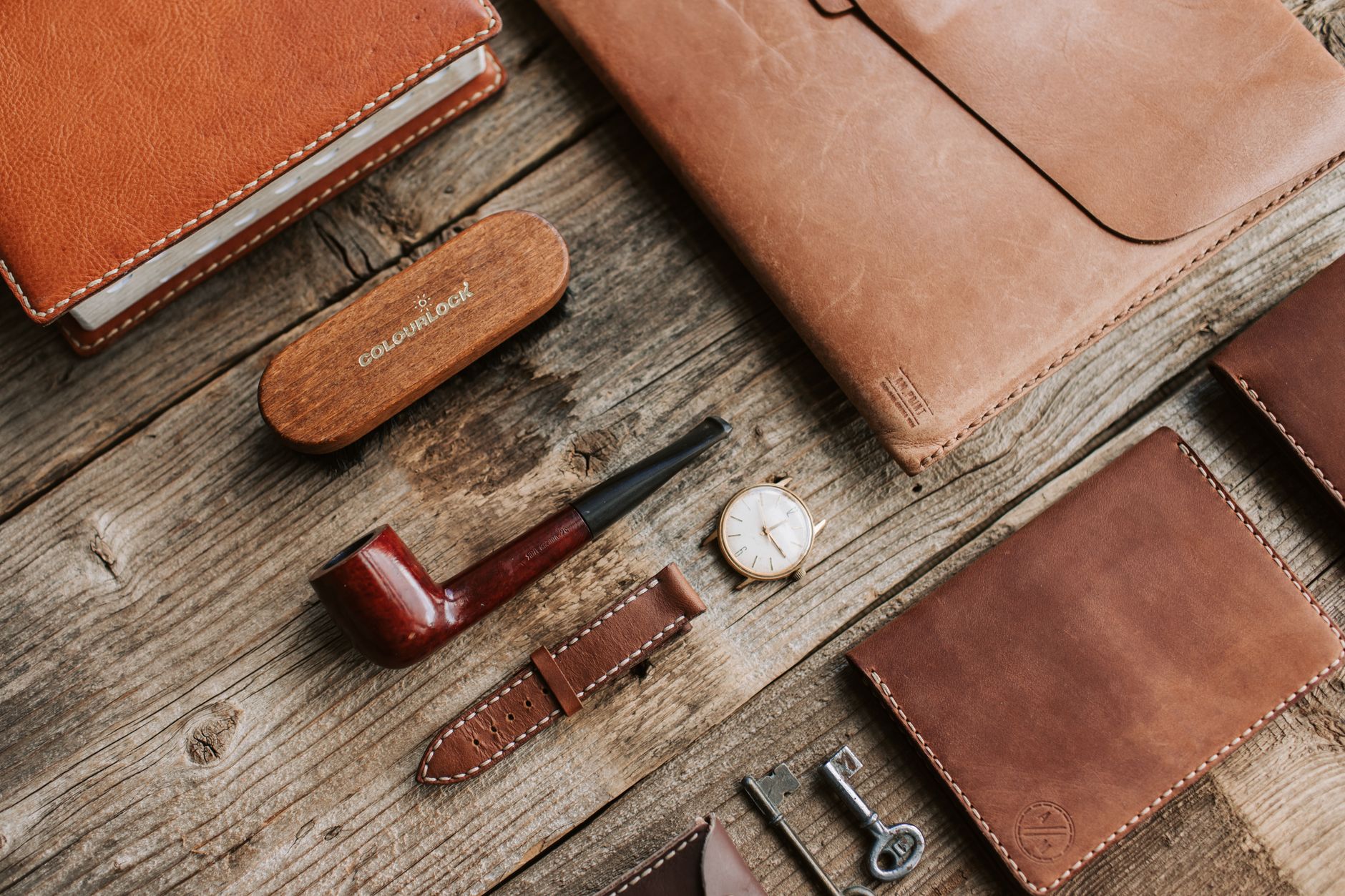
Authentic saddle stitch requires two needles threading from opposite sides of the same hole, pulled tight in sequence so the thread forms a consistent cross-section through the leather. On a polo saddle, that stitch is typically spaced at four to six per inch with waxed linen thread, which resists sweat and grit without rotting. Translated to a slim cardholder, the same proportions create a visual rhythm along the spine and border that a lockstitch machine simply cannot replicate – the tension is visibly different, the thread sits proud of the leather rather than sinking into it.
The waxed thread component matters more than most buyers realize. Wax applied to linen or polyester thread fills the needle holes as the stitch is pulled, creating a mild seal against moisture at each puncture point. On tack, that detail extends the life of a seam exposed to rain and sweat. On a leather passport cover, it is arguably overbuilt – which is precisely the point. Building to polo-saddle tolerances on an object that will spend most of its life in a jacket pocket is a form of quiet excess that communicates far more effectively than a logo ever could.
Thread color choices are also migrating directly from the stable. Natural beeswax-yellowed linen against dark bridle leather is the canonical polo palette, and it is showing up on notebook covers and pen rolls at price points that cluster well above mass-market accessories. Contrast stitching in rust or tobacco on vegetable-tanned natural sides pulls from the same tradition, giving a new object the visual patina of something already broken in.
How Brands Are Translating the Reference
The most straightforward translation keeps the stitch honest – hand-executed, spaced wide enough to show each passage of the needle, and finished with thread ends buried inside the leather rather than knotted on the surface. A growing number of small leather workshops in England, France, and the northeastern United States are producing runs of fewer than a hundred pieces using this approach, sourcing bridle leather from the same tanneries that supply riding equipment manufacturers. The overlap is not coincidental – bridle leather, heavily stuffed with tallow and wax during tanning, develops a surface finish over time that no corrected-grain hide can match.
A second, looser interpretation uses saddle stitch as a decorative border on otherwise machine-constructed goods. The structural seams are sewn by machine for speed and consistency, but the visible perimeter receives a hand-run line in contrast thread. This method sacrifices the engineering argument while retaining the visual one, and it is more common in the accessible luxury tier where margins need machine assistance. The honesty gap between these two approaches is becoming a point of genuine debate among buyers who have started to ask whether a stitch is structural or cosmetic before they commit.
Polo club culture adds a layer of context that pure craft positioning alone does not provide. The sport carries connotations of landed wealth, physical skill, and a very specific relationship to well-maintained equipment – the idea that a good mallet or a broken-in saddle improves with use rather than degrading. Leather goods borrowing that vocabulary inherit the implication that they, too, are meant to be used hard and kept for decades. That is a different story than luxury fashion’s traditional emphasis on newness, and it appeals to a buyer who is actively rejecting seasonal consumption.
The silhouettes arriving with polo saddle stitch detailing tend toward the flat and functional – cardholders, document sleeves, notebook wraps, luggage tags, and key fobs rather than structured bags. This restraint makes sense. A polo saddle’s beauty comes from its economy of form, and over-designing an object with decorative stitching loses the whole point. The discipline of keeping shapes simple while the construction does the visual work is what separates pieces that read as considered from pieces that read as trying too hard. It is a fine line, and the brands navigating it most convincingly are usually the ones that came to leather through making rather than through marketing.

Whether this remains a niche conversation among leather enthusiasts or filters into the broader accessories market depends largely on whether larger houses decide to codify the reference. So far, the saddle stitch revival in fine leather goods has moved without a single dominant brand setting the terms – which is either the reason it still feels credible, or the reason it has not yet reached the buyers who would scale it into something unrecognizable.