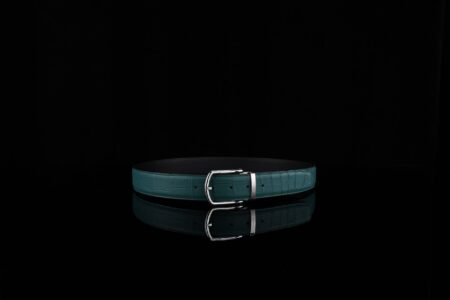


A small circular pin, traditionally reserved for rosette placement at a pony show or a polo club’s browband display, is turning up on blazer lapels in a way that feels deliberate rather than decorative. The browband rosette stud – compact, often brass or silver, with a flat-faced medallion profile – has quietly migrated from equestrian gear to tailored suiting, and the shift is subtle enough that most onlookers can’t quite name what they’re seeing.
The Anatomy of a Borrowed Detail
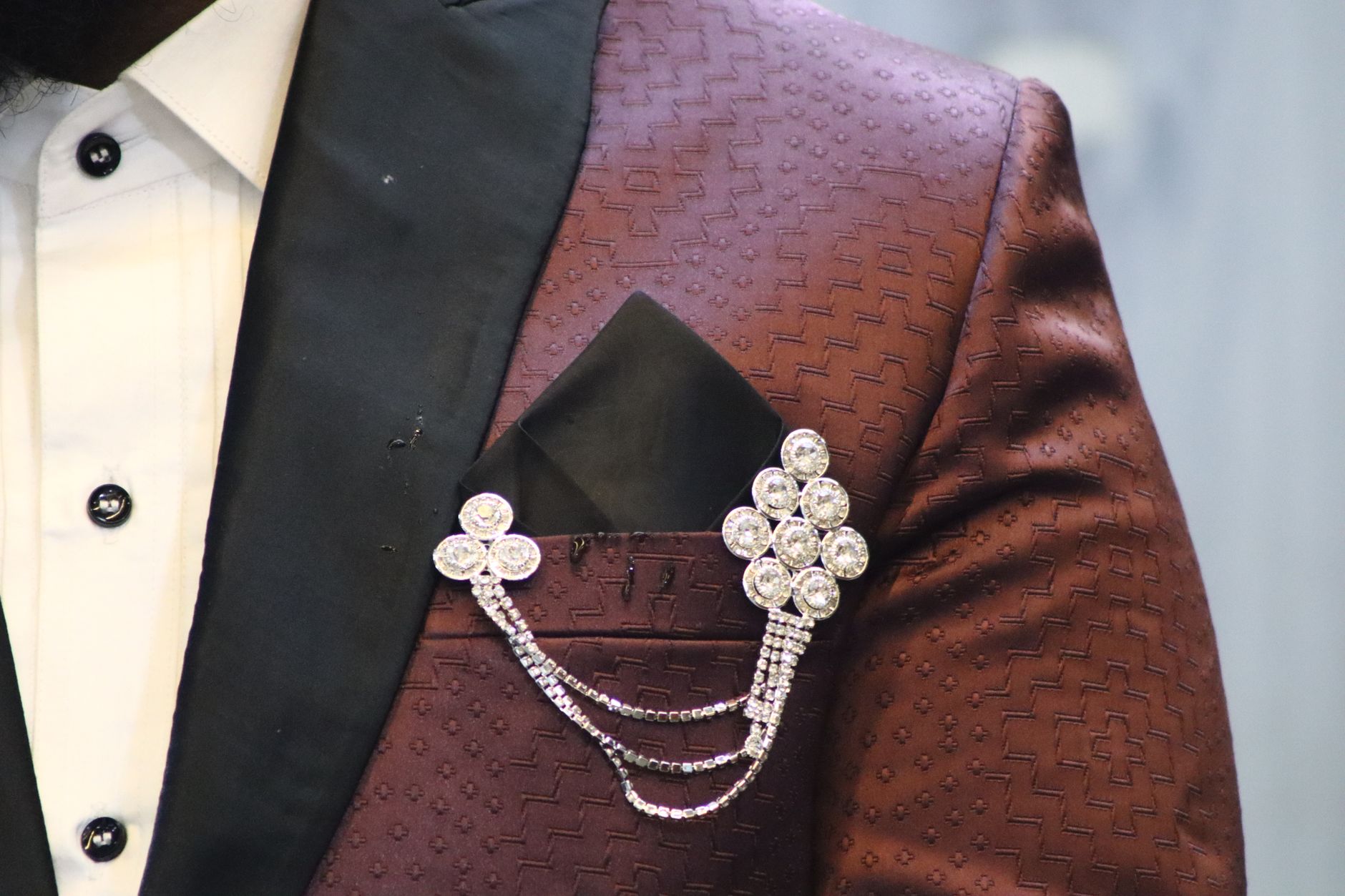
Browband rosettes on a horse’s bridle serve a specific purpose: they anchor the browband strap and carry club insignia or competition awards. The hardware itself is modest by design – a circular face, usually no wider than a coat button, with a clean pin-back mechanism. That restraint is exactly what makes it work on a lapel. It doesn’t compete with the garment’s structure the way a statement brooch might. It sits flush, reads as intentional, and holds a kind of insider legibility that costume jewelry rarely achieves.
The appeal to minimalist dressing is straightforward. A clean single-button blazer in camel or navy already communicates a certain confidence in restraint. Adding a rosette stud to the lapel doesn’t disturb that logic – it deepens it. The piece reads as a mark rather than an ornament, closer to a regimental pin or a club badge than anything from a jewelry counter. That distinction matters to a certain kind of dresser who wants visual interest without decoration.
What’s worth understanding about these studs is their material honesty. Authentic browband rosettes are made from solid brass, nickel-plated steel, or occasionally sterling silver for higher-end tack. They’re finished to last in outdoor conditions, which means they carry a weight and density that costume alternatives can’t replicate. When placed on a lapel, that physical quality registers immediately – the slight drag of real metal against wool or gabardine, the way the face catches light without flash.
The styling logic follows the broader interest in equestrian hardware that’s been building across structured accessories. Polo club numnah quilting has been texturing padded jacket panels for similar reasons – equestrian details carry a visual grammar of precision and function that translates directly to tailored dressing without requiring any explanation.
Why Minimalist Dressing Is Absorbing This Detail So Readily
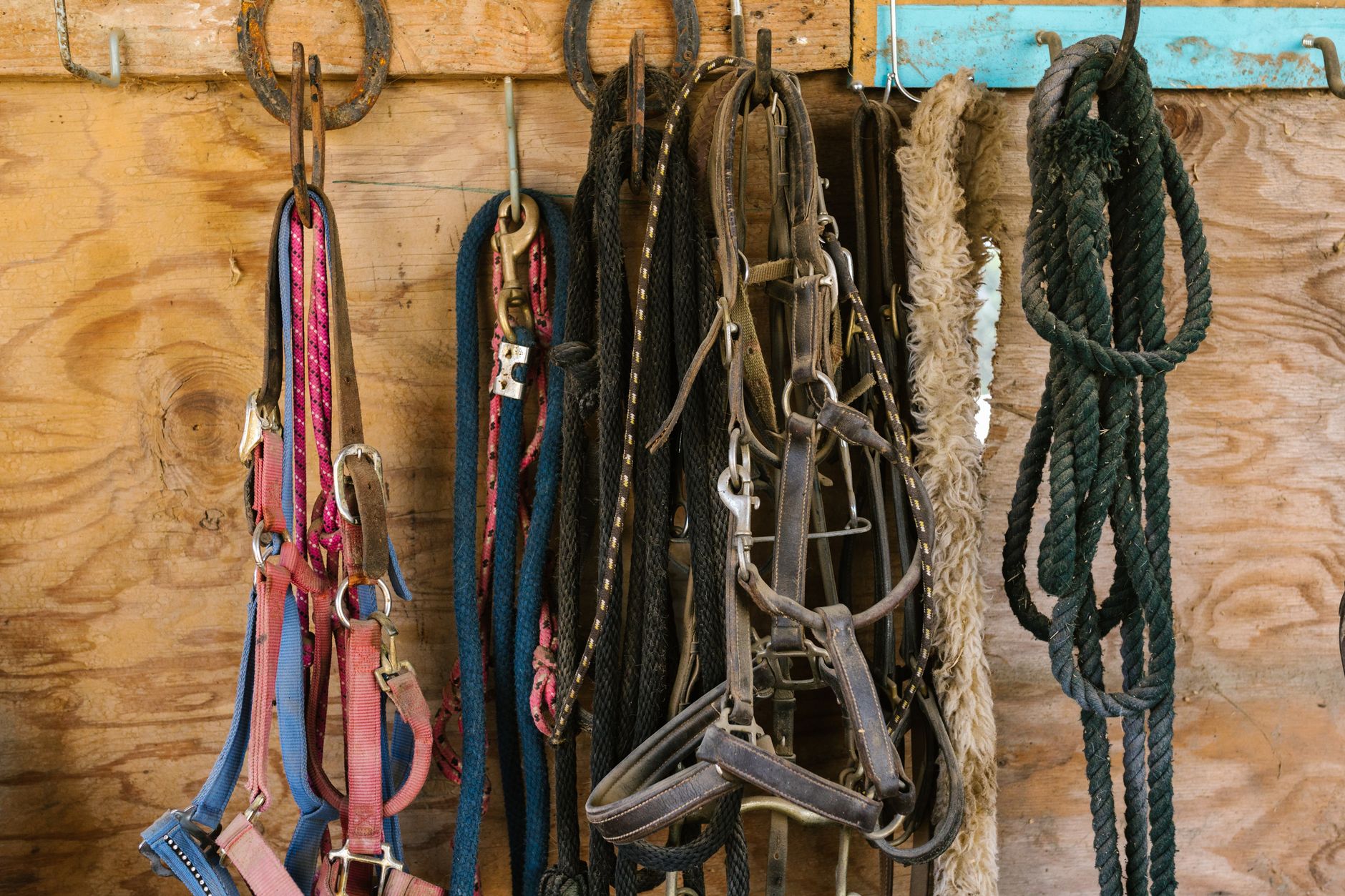
Minimalism has always had a complicated relationship with jewelry. Pure minimalism refuses it entirely. But the version that’s dominated fashion conversation for the past several seasons is more pragmatic – it accepts hardware, structure, and functional ornament, while rejecting anything that reads as decorative for its own sake. A browband rosette stud threads that needle precisely because it has a legible origin. It didn’t come from a jewelry designer’s mood board. It came from a tack room.
That provenance does real work in how the piece is received. A dresser who clips a browband rosette onto a lapel is communicating something different from someone wearing a crystal pin or a enamel badge. The equestrian reference carries connotations of tradition, club membership, and a particular Anglo-European aesthetic that has been referenced in fashion since at least the 1970s – but here it arrives through hardware rather than print or silhouette, which makes it feel less costumey and more considered.
The placement matters significantly. These studs are appearing specifically on lapels rather than pockets or collars, which keeps them within the formal grammar of tailoring. A blazer lapel already functions as a site of intentional detail – it’s where a pocket square flashes, where a boutonniere sits, where the notch or peak of the lapel itself communicates the formality of the piece. Placing a browband rosette there treats it with the same seriousness as the garment’s construction, rather than pinning it somewhere casual.
Color plays a role in how these studs integrate. Antique brass finishes work particularly well against warm neutrals – camel, tan, oat – while nickel and silver-toned pieces land cleanly on charcoal, slate, and cool-toned navy. The few styled examples showing up in street photography and editorial work tend to avoid mixing warm and cool metal tones within the same outfit, keeping the stud in conversation with whatever other hardware appears – belt buckles, bag clasps, shoe hardware.
The sizing of the stud matters more than it initially seems. The most functional browband rosettes run between 18mm and 30mm in diameter – small enough to read as a detail rather than a focal point, large enough to register from a conversational distance. Anything smaller risks disappearing against heavy suiting fabric. Anything larger starts to compete with the lapel shape itself, pulling attention away from the tailoring rather than completing it.
Where to Source the Real Thing
Equestrian supply shops and online tack retailers carry browband rosettes in quantities and material grades that fashion accessories stores rarely match. A set of solid brass rosettes designed for a show bridle will outperform any fashion-adapted version in terms of weight, finish durability, and physical credibility on a lapel. The price point is also considerably lower than anything sold through a accessories brand with equestrian branding attached.

The current moment for this detail is specific: it works because it hasn’t been formally adopted yet. Once a heritage brand puts out a “browband lapel pin” with its own logo and a retail markup, the piece loses the quality that makes it interesting right now – the slight friction of wearing something that came from a completely different context and hasn’t been smoothed out for fashion consumption. That friction, small as it is, is the point.