

When the Stable Meets the Runway
Curb bits have been part of equestrian culture for centuries – functional hardware designed to give riders precise control through a curved metal bar and a raised center section called the port. That port, arching upward from the mouthpiece, has always been a purely mechanical detail, calibrated for pressure and leverage. Now that same curve is showing up on jacket collars, coat lapels, and structured necklines as decorative hardware, translated from the tack room into ready-to-wear with a directness that skips allegory entirely.
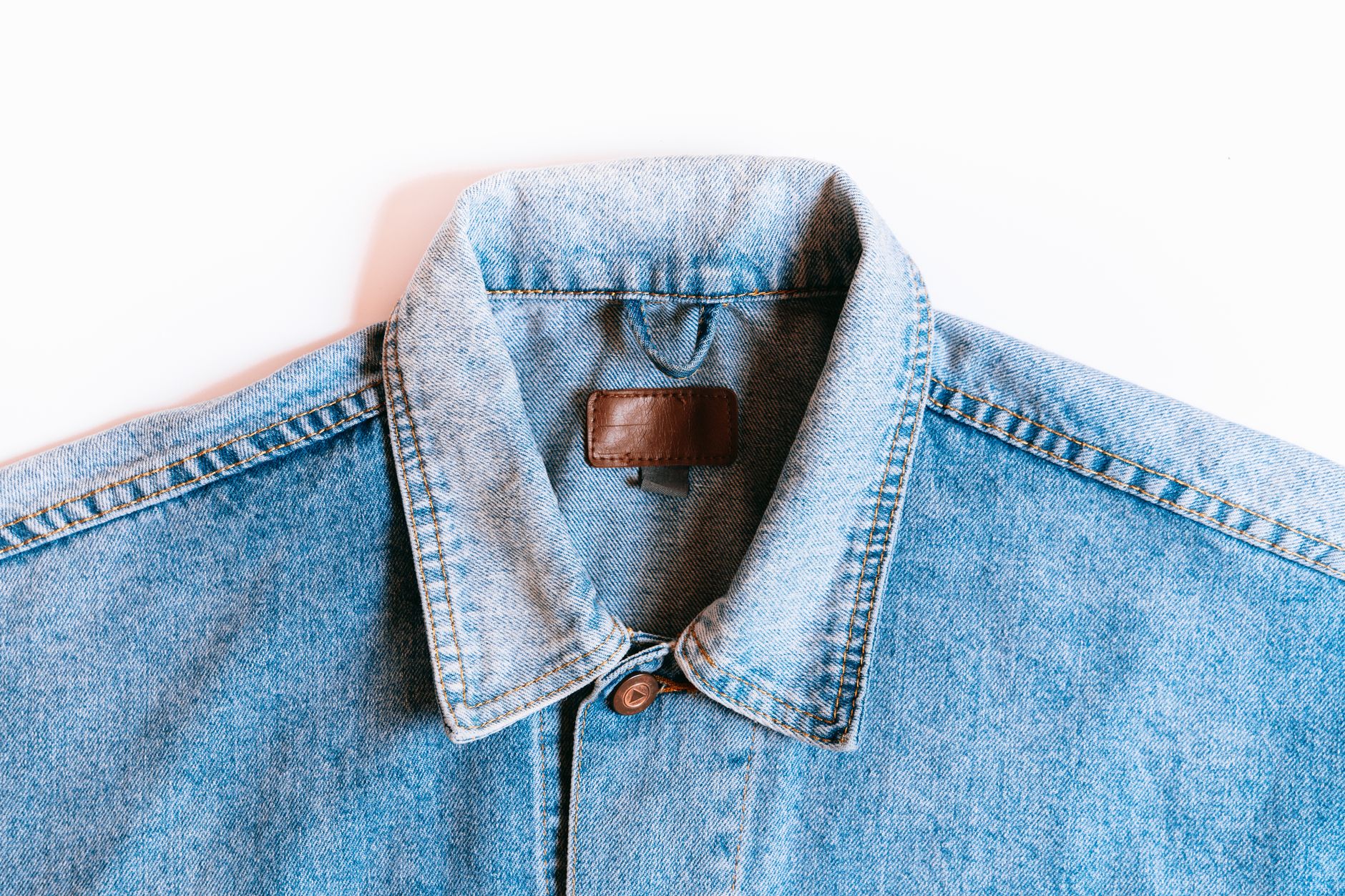
The shift is subtle enough that most wearers won’t recognize the source. A collar stays rigid because a curved metal bar runs beneath the fabric. A neckline closure mimics the arch of a port in its silhouette. A chain fastening curves upward at its center point in a shape that mirrors the bit’s defining geometry. Polo club aesthetics have been feeding fashion’s hardware vocabulary for some time now, but curb bit port curves represent a more architectural application than most – less about ornamentation and more about structural logic borrowed from a working piece of equipment.

The Architecture of the Port Curve
What makes the port curve visually distinct is its directionality. Unlike a simple ring or a flat clasp, the port arch has a clear upward intention – it rises from two anchor points and peaks at the center. That geometry translates naturally to collar construction because collars behave the same way. A well-cut collar rises from the shoulder, frames the neck, and peaks at whatever closure sits at the throat. Placing a port-shaped hardware element at that closure point reinforces the collar’s inherent geometry rather than decorating against it.
Designers working in equestrian-adjacent territory have been paying close attention to how polo and hunt seat tack is actually built. The curb bit’s port isn’t a decorative flourish – it was engineered to apply specific pressure at a specific angle. That functional origin gives the shape a credibility that purely ornamental hardware often lacks. When a collar fastening uses that curve, it carries the suggestion of purpose, of something engineered rather than embellished. That distinction matters enormously in structured tailoring, where hardware that looks merely decorative can undermine an otherwise precise garment.
The curb chain that pairs with a traditional curb bit also factors into this translation. The chain lies flat along the horse’s chin groove and is secured at both ends by the bit’s shanks. In collar hardware, that same logic appears as a flat chain running along the underside of a collar stand, fastening at each end to a central arch. The system – arch above, chain below – creates a visual language that feels complete because it was, in its original form, a complete mechanical system.
Why Structured Collars Are the Right Canvas
Soft collars absorb hardware. A delicate or draped neckline can make even a substantial metal element read as an afterthought, because the fabric has no geometry of its own to support or amplify the hardware’s shape. Structured collars are different – they hold their form, push outward from the neck, and create a platform where hardware becomes part of the silhouette rather than an addition to it. The port curve arch specifically needs that rigidity to read correctly. On a limp collar, the upward arc of the hardware simply disappears into fold and drape.
This is why the trend is appearing most visibly in coats, riding-style jackets, and military-influenced blazers. These are garments built around collar architecture – interlined, boned in some cases, and constructed to maintain their shape independently of the body beneath them. The collar is already doing structural work. Hardware that echoes the curb bit port curve becomes a logical extension of that structure rather than an ornament applied after the fact.

How the Hardware Is Being Executed
The specific execution varies considerably across the pieces currently circulating. Some designers are using cast metal closures that replicate the port arch in brass or silver plate, positioning them at the center front of a high collar where a traditional hook-and-eye would normally sit. Others are working the arch into the collar itself through internal boning shaped to that curve, so the port geometry appears in the collar’s silhouette without any visible metal element at all. Both approaches arrive at the same visual conclusion through completely different means.
A growing number of ready-to-wear pieces are using the port curve in chain detailing rather than as a primary closure. A short chain loops from one collar point to the other, and at its center hangs a small arch-shaped element that sits at the notch of the throat. This is a lighter interpretation – more jewelry than hardware – but it preserves the geometry and the equestrian reference without committing to the full architectural weight of a structured closure. It also makes the reference accessible at lower price points, since producing a quality cast closure adds significant cost to a garment.
The snaffle bit cheekpiece trend in earring design ran a parallel track by isolating a single equestrian hardware component and letting its inherent geometry do the aesthetic work. The curb bit port curve follows the same logic at the collar, where the shape’s structural relationship to the garment gives it authority that a purely arbitrary ornament wouldn’t carry. The equestrian hardware tradition is proving unusually generative precisely because these objects were designed with clear mechanical intentions – they have shapes that do things, which means those shapes retain a kind of visual coherence when removed from their original context.
What remains unresolved in this trend is the question of finish. Polo club hardware in its original form runs from high-polish stainless steel to antique brass depending on the discipline and the rider’s preference. Fashion’s translation has so far leaned heavily toward aged brass and oxidized silver, which soften the equestrian reference into something more generically vintage. The pieces that feel most fully committed to the curb bit source tend to use high-polish finishes – chrome, bright gold – because those finishes carry the precision and intentionality of actual tack. Whether that harder, more literal reading gains ground against the warmer antique versions will determine how closely this trend stays to its source or drifts into the broader territory of vaguely Western-inflected hardware, where the specific geometry of the port curve might get lost entirely.