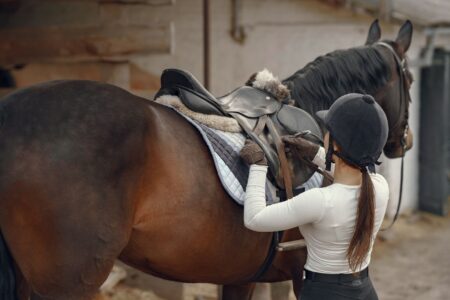
Velvet padding lifted straight from polo club browbands – the narrow strips of cushioned fabric that protect a horse’s forehead beneath a bridle – is turning up on the interior back panels of structured fashion headbands. The crossover is not accidental. It follows a quiet but deliberate pattern of equestrian equipment details migrating into accessories design, and this particular one solves a problem that structured headbands have always had: they look polished from the front and punishing from the inside.
Where the Detail Actually Comes From
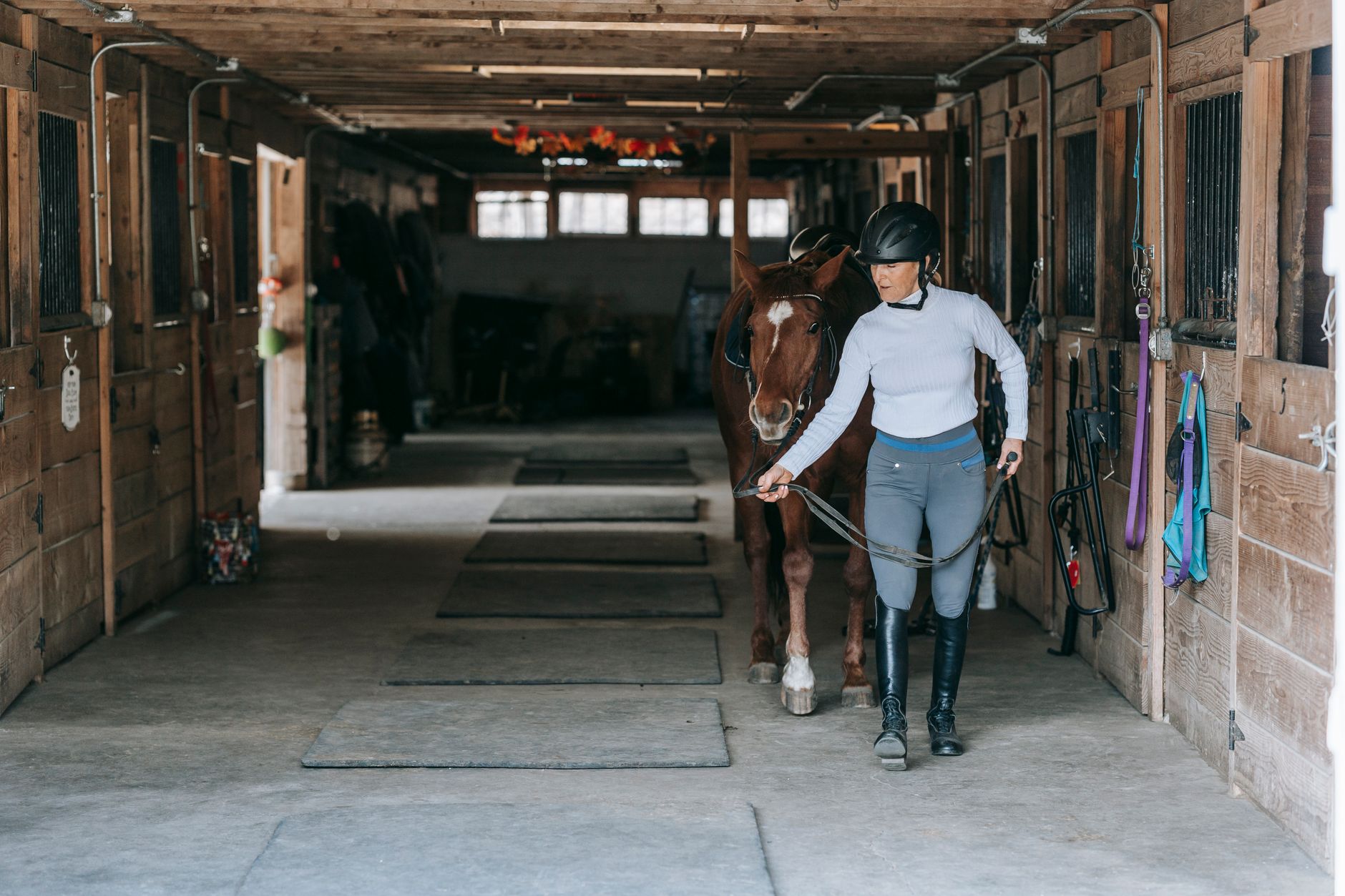
A polo browband serves a functional purpose above all else. It sits across a horse’s forehead, holding the bridle in place, and the velvet padding on its interior face prevents friction and pressure against the horse’s skin during extended play. The material is typically a tight-pile velvet bonded to a firm interfacing, which gives it just enough give to conform without collapsing. That combination – structural support with a soft face – is exactly what headband designers have been trying to achieve for years through foam, silicone gripping strips, and padded grosgrain, all with mixed results.
The move toward browband-style velvet padding in fashion headbands is driven by how well the original construction holds up under real conditions. Polo browbands are built to stay in place through fast lateral movement, sudden direction changes, and outdoor heat. When that same interior lining logic is applied to a rigid fashion headband – particularly the wide, sculptural styles that press hard against the temporal region – the difference in wearability is immediate. The velvet compresses slightly against the skull rather than creating a single pressure point, which is what plain hard plastic does.
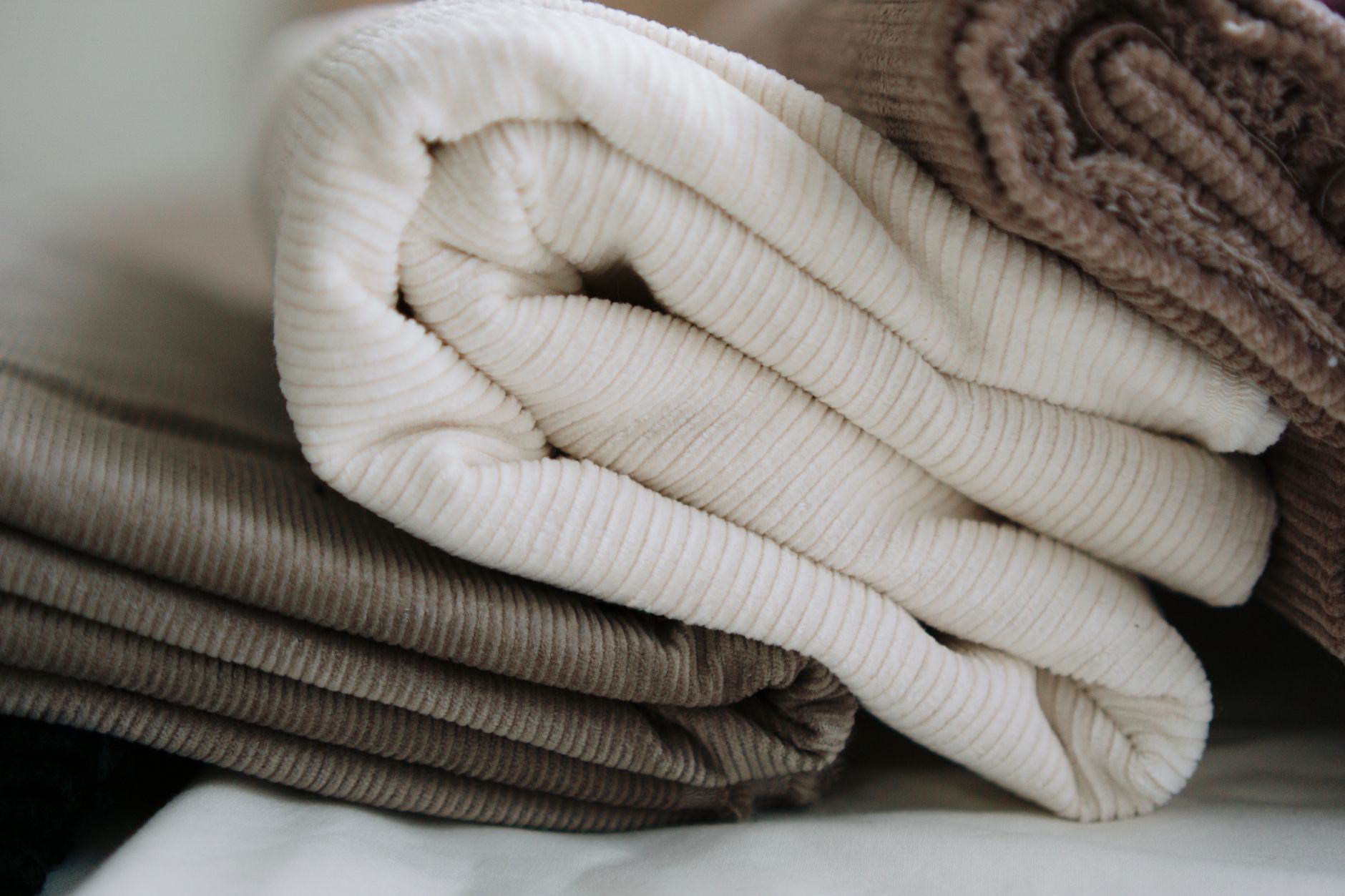
The aesthetic argument matters just as much as the functional one. When a structured headband is photographed from above or captured in a behind-the-shoulders shot, its interior is visible. Bare plastic or cheap satin backing reads as unfinished. Velvet, by contrast, communicates craftsmanship before anyone touches the piece. The pile catches light differently depending on the angle, giving the interior a visual depth that elevates the whole object even when it is not being worn.
A number of small accessories labels working in the equestrian-adjacent space have been using browband velvet suppliers directly, sourcing the same bonded material used for actual riding equipment rather than adapting dress fabric. This keeps the pile density consistent and the backing firm enough to bond reliably to the headband’s inner curve. The sourcing connection is where the trend has its clearest origin – it is not stylistic borrowing so much as literal material transfer from one industry to another.

How the Padding Changes Structured Headband Design
Structured headbands – the kind built around a rigid internal frame, often covered in fabric, resin, or embellished with hardware – have always existed in tension between visual impact and physical comfort. The wider and more architectural the band, the more surface area it presses against the sides and top of the head. A headband that looks extraordinary in a boutique can feel unbearable after forty minutes, which is why so many end up unworn. The browband padding approach addresses this by distributing pressure rather than concentrating it, and the velvet pile acts as a microshock absorber against the skull.
The construction process changes when you introduce this kind of padding to the interior. The velvet-backed interfacing has to be cut and curved before it is applied, which requires pattern-making skill that cheaper headband manufacturing typically skips. The curve of the padding has to follow the headband’s inner arc precisely – any gap or bunching creates a new pressure ridge, which defeats the purpose entirely. This is where the polo equipment influence becomes visible in the quality of execution: browband makers work with exact measurements and radius calculations, and the better fashion applications are borrowing that precision.
Color and texture pairings have opened up as a result. Historically, the interior of a structured headband was treated as the hidden side and covered in whatever neutral satin or basic grosgrain was cheapest. Now that the interior has visual status, designers are matching the velvet padding color to the exterior fabric, contrasting it deliberately, or using a color that references the headband’s embellishments. A tortoiseshell resin headband with a cognac velvet interior, for example, pulls the warmth of the material through to the back of the piece and makes the whole object feel considered from every angle.
The pile direction of the velvet is a detail that almost no one outside of equestrian supply circles would think to specify, but it matters. On a browband, the pile is always oriented so it lies flat against the direction of potential friction. The same logic applies inside a headband – pile running the wrong direction creates a scratchy resistance against the hairline rather than a smooth glide. Getting this right requires working with the velvet as a performance material rather than a decorative one, which is a meaningful shift in how accessories designers approach their lining choices.
There is also a weight consideration. Traditional padding solutions – foam layers, silicone strips – add noticeable mass to the underside of a headband without adding structural value. Browband velvet, being tightly bonded to a thin interfacing rather than built up in layers, adds negligible weight while still providing cushioning. For headbands with heavy embellishment on the exterior, keeping the interior lining light helps the piece sit without shifting forward on the head, which is a recurring failure mode for embellished styles.
The Broader Accessory Conversation
The migration of this particular equestrian detail into fashion accessories fits a pattern of sport-specific engineering finding its way into everyday wearables. Equestrian gear, in particular, has a long history of producing material solutions that eventually surface in civilian design – the influence of bridle leather on bag construction, stirrup silhouettes in shoe hardware, and the way riding boot construction has shaped tall boot manufacturing more broadly. Browband velvet is a smaller and more technical version of that same movement, and it is arriving through the accessories category rather than apparel.
What makes this moment specific is that the structured headband itself is going through a period of design seriousness. After years of being treated as a casual or novelty item, the format is appearing in runway collections and editorial shoots with the same weight as a bag or shoe. When accessories are taken seriously, their construction details get scrutinized – and that scrutiny is exactly the pressure that makes a detail like browband velvet padding worth getting right rather than approximating. The headbands that are doing it correctly have a noticeably different quality signal at the interior, and anyone who has ever worn a poorly padded rigid headband for more than an hour will understand immediately why that matters.