

The Equestrian Detail Taking Over Hair Accessories
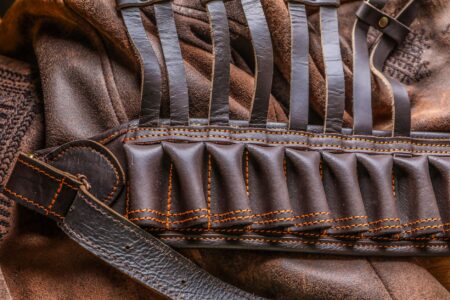
Polo club browband velvet ribbon – the flat, plush strip that runs along the front of a horse’s bridle – has made a quiet but deliberate migration from the stable to the structured headband. Designers and independent accessory makers are cutting sections of this ribbon and pressing it into the center panels of rigid headbands, and the result is a texture story that is genuinely hard to replicate with standard millinery materials.
Why This Material Works Where Others Have Struggled
Browband ribbon is not ordinary velvet. It is woven to withstand repeated contact with leather, metal fittings, and the natural oils of horse hair, which means it holds its pile under pressure far better than the decorative velvet sold by the yard at fabric retailers. When a structured headband is worn all day – pushed against the scalp, tucked under a coat collar, or repeatedly adjusted – most velvet flattens and loses definition within hours. Browband velvet recovers. The pile springs back, the color stays saturated, and the edges remain crisp because the ribbon is finished rather than cut.
The width of browband ribbon is also a practical advantage. Standard browband sizes run from about 5/8 of an inch to 1.5 inches, and those dimensions map almost perfectly onto the exposed center strips of structured headbands. No trimming is needed along the length. A maker working with a 1-inch wide headband frame simply sources a matching width of browband ribbon, secures it with contact cement or a double-sided tape system, and the material sits flush without overhang or folding.
Color is a separate but equally important reason this trend is gaining traction. Equestrian suppliers stock browband ribbon in a range of solid colors – navy, burgundy, black, forest green, camel – that align closely with the palette driving structured accessories right now. These are not fashion-reactive colors mixed to match a single season. They are stable, year-round tones that have been produced consistently for decades because the equestrian market demands repeatability. For a headband designer building a core collection, that consistency is worth more than a trend color that disappears from supply in six months.
There is also a tactile argument. Velvet ribbon reads as luxury at close range in a way that grosgrain, satin, or woven elastic does not. When it appears in the center of a structured headband – framed on either side by resin, acetate, or metal hardware – the contrast sharpens both materials. The rigidity of the frame makes the softness of the velvet more noticeable, and the velvet makes the architecture of the frame more deliberate.

How the Construction Actually Works
Building a browband velvet center into a structured headband involves a small but specific set of decisions that separate a clean execution from a messy one. The base frame matters first. Resin and acetate frames with a flat center channel are the most forgiving because the ribbon lies against a smooth, predictable surface. Wire-core headbands wrapped in fabric are trickier – the velvet can shift if the underlying wrap has any texture or irregularity, and the edges of the ribbon may lift at curves unless they are hand-stitched or sealed.
Adhesion method is where most amateur attempts fail. Contact cement gives a permanent, flat bond but requires exact placement on the first pass – repositioning pulls the velvet pile and leaves visible drag marks. Double-sided fabric tape is more forgiving during application but can release along the edges after repeated wearing, particularly if the headband is stored bent or compressed. A growing number of makers are using a combination: tape for initial positioning, then a thin bead of flexible fabric glue along the edges to lock the ribbon permanently without stiffening the velvet itself.
Browband ribbon is sold by equestrian tack suppliers both online and through physical stores that cater to the riding community. It is priced far below specialty millinery ribbon of comparable quality, which is part of why accessory designers who have discovered this sourcing route tend to treat it as proprietary information. A reel of browband velvet that retails for a modest amount per yard can line multiple headbands and outlast several seasons of regular use without fading or fraying.
The structured headband itself has been a consistent presence in accessory collections for the past several years, with brands returning to rigid frames as a counterpoint to the softer, scrunchie-forward styles that dominated earlier. Adding browband velvet to that frame is less a reinvention than a refinement – an upgrade to a material that most consumers cannot immediately name but can clearly feel is different from what they have worn before. That unnamed quality is part of the appeal. The headband looks expensive without advertising why.
This kind of equestrian material crossover is not isolated to headbands. Polo club martingale neck strap loops have been shaping structured halter necklines in a similar pattern – stable hardware and textile details moving into fashion applications because they are built to a standard that fashion supply chains rarely match.

Who Is Doing This and Where It Shows Up
The adoption is concentrated among small-batch headband makers selling through independent retail channels – craft market regulars, Etsy-adjacent boutiques, and a handful of accessory designers who position their work explicitly against mass production. Some are lifelong riders who recognized the material from their own tack rooms. Others stumbled into equestrian supply catalogs while searching for velvet ribbon wide enough and durable enough to meet their construction standards. Either way, the discovery tends to produce the same response: surprise that something this functional has been sitting in a parallel market for decades without crossing over.
The question worth sitting with is whether the larger accessory market will follow. Once a material detail moves from niche makers to wider retail, the sourcing pressure often degrades the original version – suppliers introduce cheaper alternatives, widths and weights shift, and the quality differential that made the detail interesting begins to close. Browband velvet works precisely because it is made to equestrian standards, not fashion ones. If demand pulls production toward fashion supply chains, the pile density and edge finishing that make this ribbon worth using may not survive the transition.