

When Equestrian Gear Meets the Jewellery Box
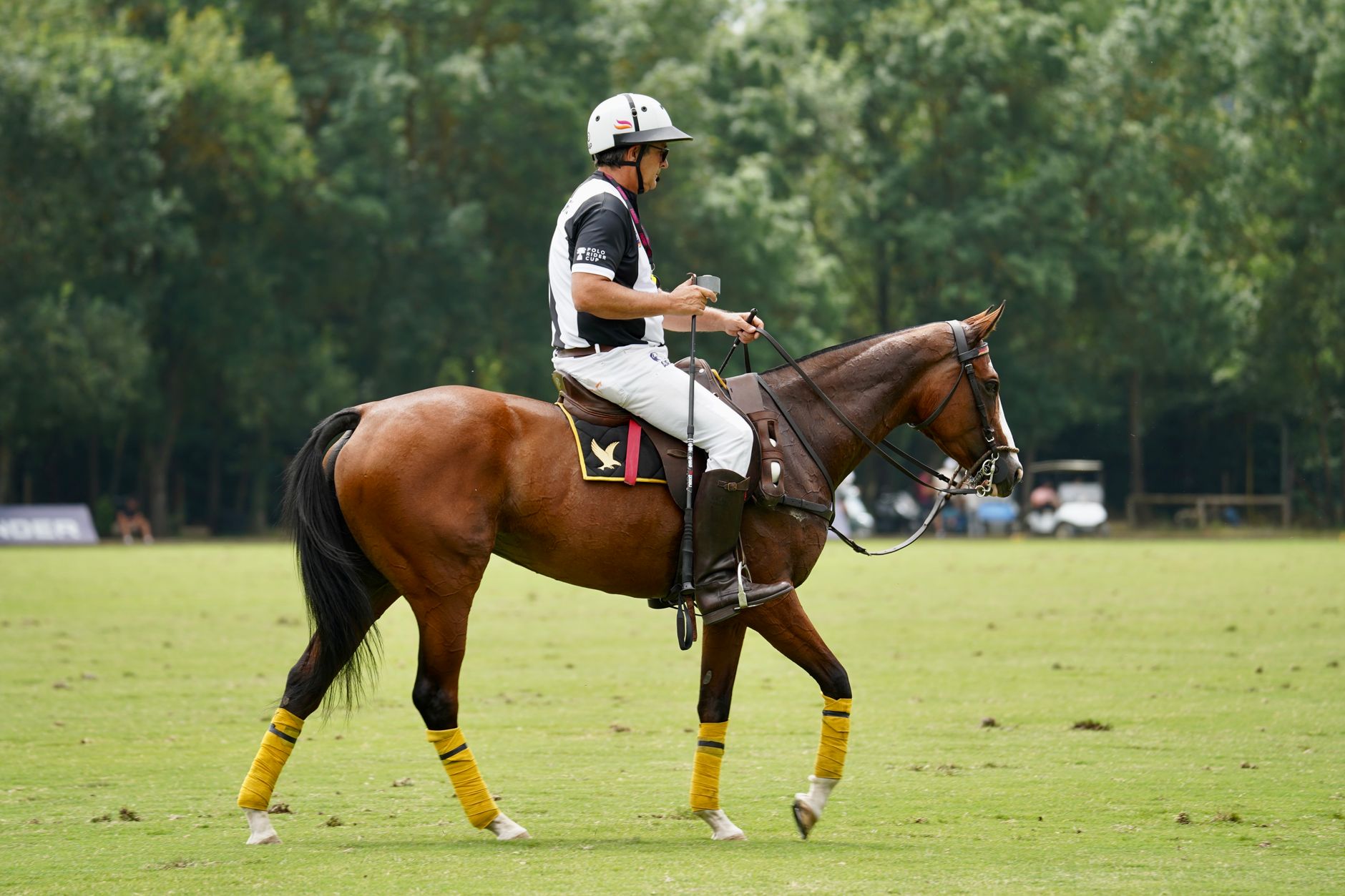
The chin strap – that unassuming leather or fabric band fastened beneath a polo helmet – was never designed with aesthetics in mind. Its job was purely functional: keep a rider’s helmet in place during hard cuts and collisions. But fashion has a long history of pulling utility objects out of their original context and making them do something entirely different, and right now, the polo chin strap is the unlikely reference point behind a growing wave of sculptural jaw jewellery appearing across runway collections and independent designers’ lookbooks alike.
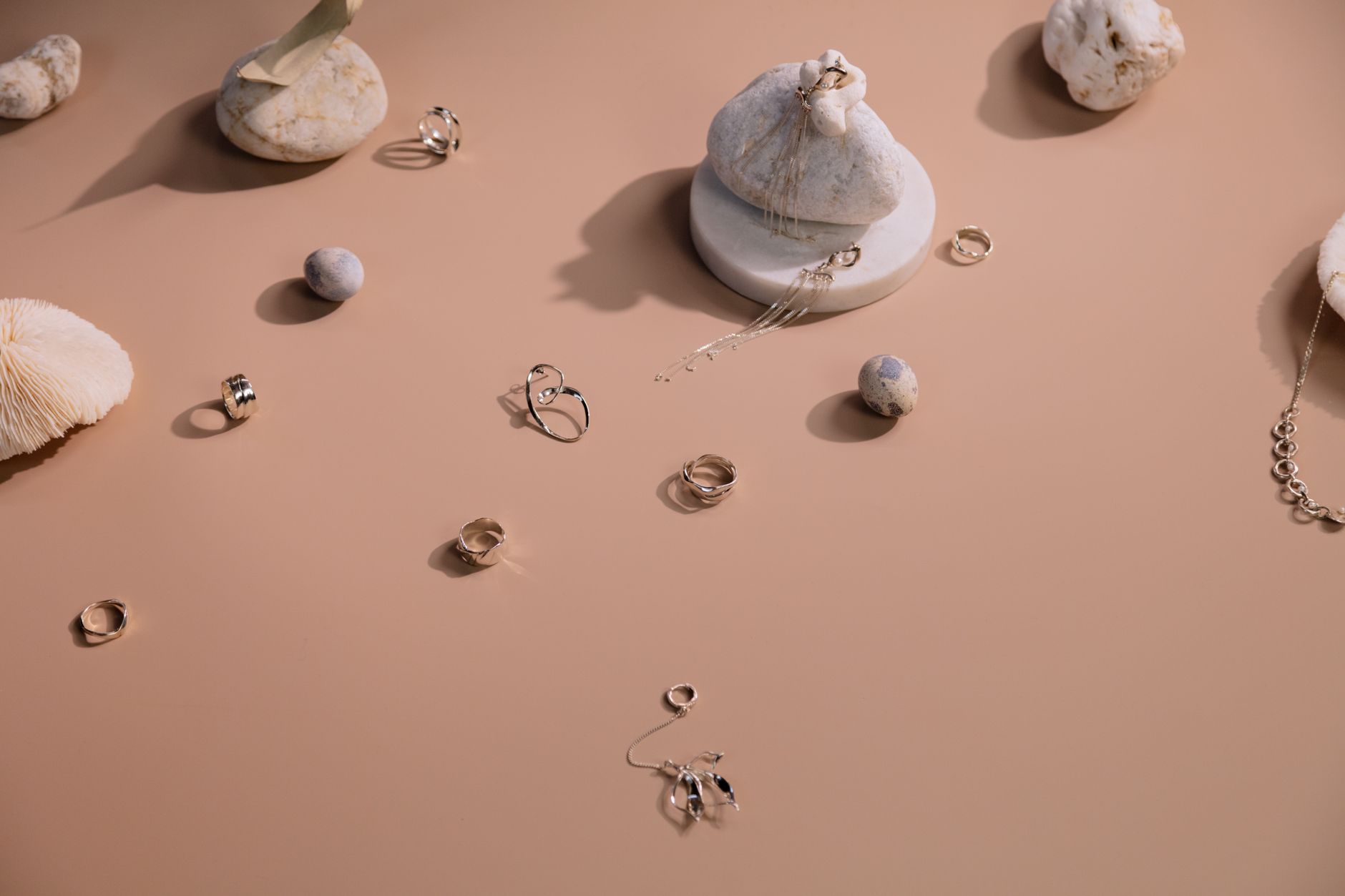
The silhouette is specific: a band or structured piece that curves under the chin and often connects to hardware at the jaw or temple. Where chin straps in sport are stiff and practical, their jewellery counterparts translate the geometry into hammered metal, fine chain, oxidised silver, and occasionally beaded constructions. The effect is architectural in a way that necklaces and earrings alone cannot achieve – it frames the lower face and draws attention to bone structure in a manner that has no real precedent in mainstream jewellery history.
The Anatomy of a New Accessory Category
Jaw jewellery as a category is not entirely new – face chains and brow bars have circulated in editorial fashion for years – but the chin strap format gives it a structural logic that earlier iterations lacked. Traditional face jewellery tended to drape or dangle. The polo-inspired version anchors. It sits against the skin with intention, holding its shape rather than shifting with movement. That rigidity is actually the point: it behaves more like sculpture than adornment, referencing the way a well-fitted helmet sits on an athlete’s head with zero excess.
Independent jewellers working in brass and sterling silver have been experimenting with this shape quietly for several seasons, often describing the pieces as “face architecture” rather than conventional accessories. The language matters. Calling something architecture rather than jewellery signals that the wearer is thinking about structure and proportion, not just decoration. That framing also gives buyers permission to spend more on a single piece and wear it as a statement without needing anything else – no layered necklaces, no stacked rings, just the jaw piece and a clean neck.
Equestrian Heritage as a Design Language
Polo equipment has been feeding fashion quietly and consistently for some time. Polo pony plaiting bands have already found their way into minimalist hair accessories, demonstrating that the sport’s functional objects carry a visual vocabulary that translates cleanly into non-athletic contexts. The chin strap follows the same logic – it is already a piece worn close to the face, already designed to contour a specific part of the head, and already built with hardware and adjustment mechanisms that have an inherent mechanical beauty.
What makes equestrian references work repeatedly in fashion is their combination of precision and roughness. A polo helmet chin strap is not delicate – it is built for impact. But the buckles are often brass, the stitching is clean, and the overall construction has a craftsmanship that reads as premium without being ornate. When jewellers borrow that aesthetic, they get something that sits outside both fine jewellery (which can feel precious and untouchable) and fashion jewellery (which can feel disposable). Equestrian-referencing pieces occupy a middle ground that is currently very much in demand.
The colour palette reinforces this. Oxidised silver and antique brass – the finishes most commonly used in chin strap jewellery – echo aged leather and worn helmet hardware. These are not bright, polished finishes. They carry a sense of use and time, which gives the pieces weight even when they are physically lightweight. A shiny gold chin strap would read as costume. The same silhouette in darkened brass reads as considered.
There is also something worth understanding about proportion here. The chin strap format is inherently linear – a band is a band – but the space between where it sits and how it connects to earring hooks, to headbands, or to necklace chains creates design problems that are genuinely interesting to solve. Some designers extend the strap into a full face frame. Others keep it minimal, just the under-chin band with two small attachment points at the jaw. The constraint of the shape forces specificity, and that specificity is visible in the final object.
Who Is Actually Wearing This
Early adopters are largely women who already operate in spaces where strong accessory choices are expected and understood – stylists, creative directors, certain corners of the art world. These are buyers who are not looking for jewellery that blends in. The chin strap piece works precisely because it is visible from a distance in a way that a ring or earring is not. It changes the silhouette of the face, and that kind of impact requires both confidence and a specific kind of styling context.
Styling the piece is not straightforward, which is part of the appeal for a certain customer. High necklines obscure it. Very busy outfits compete with it. It works best with clean lines at the shoulder and collarbone – a crisp shirt collar, a structured crew neck, a strapless silhouette. The jewellery then does the work of providing visual interest at the face without any support from clothing. That dynamic – where the accessory is carrying the look rather than finishing it – is a different relationship with jewellery than most people are accustomed to.

Where the Trend Is Heading
A growing number of small jewellery labels are adding chin strap pieces to their permanent collections rather than treating them as one-off editorial experiments. That shift – from seasonal curiosity to catalogue fixture – usually signals that demand has crossed a threshold. Buyers are not just admiring these pieces in photos; they are purchasing them and figuring out how to integrate them into actual wardrobes.
The next design question being explored is material expansion. Leather versions that more directly reference the original polo strap are appearing alongside metal constructions, and some designers are working with braided cord in a nod to the textile aspects of equestrian equipment. Each material changes the mood entirely – cord reads casual and almost athletic, leather reads editorial, metal reads formal in a subversive way. The polo chin strap gave the category its structural blueprint, but where it goes from here is genuinely open.
What no one has fully answered yet is whether jaw jewellery will move beyond its current niche or whether the face-framing commitment it requires will keep it confined to a specific type of wearer. Earrings that clip close to the ear feel like a small risk. A band worn under the chin feels like a declaration. For some people, that is exactly the point – and for others, it will always be a step too far.