Where Equestrian Hardware Meets Fine Jewelry Layering
Polo club curb chain links – the heavy, interlocking hardware found on bridle bits, lead shanks, and training equipment – are making a quiet but deliberate entrance into layered necklace design. The aesthetic borrows directly from the grooming room: thick, flattened oval links that interlock at precise angles, originally engineered for tension and control, now reinterpreted in gold vermeil, oxidized silver, and blackened brass for the neck.
The appeal is not purely visual. Curb chains carry a specific weight and drape that fine jewelry cable chains and box chains simply cannot replicate. When layered, they create a structural tension against thinner chains – a deliberate contrast that jewelry designers are building entire collections around. The equestrian reference is legible without being costume-y, which is exactly the line this trend is walking.

The Hardware Anatomy Behind the Look
A traditional polo curb chain is built from a series of figure-eight links that lie flat when slack and twist under tension – a mechanical property that gives the chain its distinctive double-row appearance. Jewelry adaptations preserve this geometry almost exactly, scaling the links down while keeping the proportional heaviness that makes the hardware recognizable. The result reads as equestrian to anyone familiar with tack, and as simply bold chain jewelry to everyone else.
That dual readability is doing a lot of work in how this trend is being positioned. Brands experimenting with the silhouette are not leading with horse culture in their marketing. The chain is presented as architectural hardware first – the provenance is there for those who look for it, invisible to those who don’t. It’s a design strategy that keeps the aesthetic from tipping into themed territory.
The weight distribution matters too. Curb link necklaces tend to sit lower on the collarbone than a standard chain of equivalent length, because the flat links resist curling and conform differently against the chest. That slight heaviness – the feeling of wearing something that has mechanical purpose – is part of what separates this from lighter jewelry trends. It wears with intention.
Layering Logic: How the Chains Actually Stack
The standard layered necklace formula relies on visual contrast through chain width, length graduation, and pendant variation. Curb chain links introduce a fourth variable: link geometry. When a wide curb chain at 18 inches sits below a fine belcher at 16 and above a thin rope chain at 20, the middle layer acts as an anchor – visually and physically. The other chains organize themselves around it rather than competing.
Length calibration is more precise with hardware chains than with fine jewelry. Because curb links are rigid and flat, even a half-inch difference in length changes how the chains interact. A curb chain that shares its length with another piece will stack directly on top of it, creating a matted effect rather than a layered one. Most styling guidance around this trend recommends at least a two-inch drop between the curb layer and adjacent chains to let each piece read independently.
Metal Mixing and Finish Choices
The curb chain’s equestrian origins sit comfortably with antique and oxidized finishes, which mimic the aged hardware found on vintage tack. Oxidized silver curb links against yellow gold delicate chains is a combination appearing repeatedly in editorial shoots and small-batch jewelry collections right now. The contrast isn’t jarring because the patina of the curb link reads as intentional aging rather than mismatched metals.
Blackened brass versions of the curb chain are pulling toward a different styling register entirely – harder, more utilitarian, closer to what you’d see threaded through motorcycle gear than a grooming kit. These are being layered with thin gold chains for a contrast that has nothing to do with equestrian culture and everything to do with the tension between delicate and industrial. The polo club origin point quietly vanishes in this context.
Gold vermeil curb chains are occupying the middle ground – formal enough for evening wear, substantial enough to anchor a layered stack without reading as casual hardware. The vermeil finish softens the mechanical geometry slightly, making the link shape feel more like a design choice and less like lifted equipment. This version is where the trend is probably most commercially accessible, hitting a price point that sits between fashion jewelry and fine jewelry.
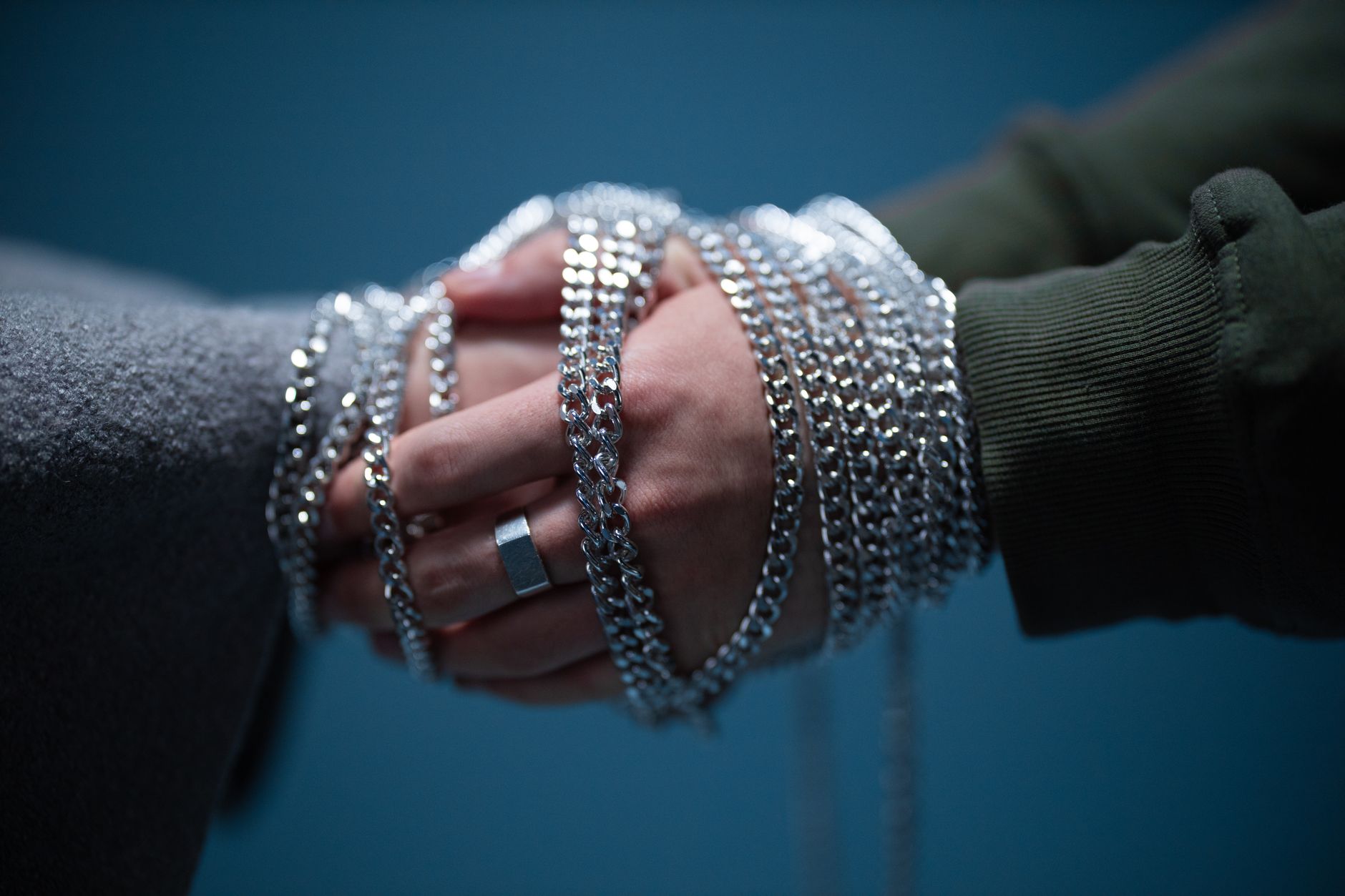
The more interesting question for this trend is how long the equestrian reference stays legible before it gets absorbed entirely into the broader hardware jewelry category. Polo club rein ring hardware went through a similar trajectory when it crossed into bracelet design – the tack room origin faded as the silhouette became familiar. Curb chains are following the same path, and the timeline suggests the window where the reference reads clearly is already narrowing.