


Equestrian hardware has been circling fashion’s periphery for years, but something more specific is happening right now: the breastplate chest ring – that heavy, welded O or D-ring sitting at the sternum junction of a polo pony’s breastplate – is showing up in layered collar necklace stacks, bib constructions, and statement hardware pieces in a way that feels deliberate rather than coincidental.

Where the Reference Comes From
A polo breastplate is a structured leather harness that runs across a horse’s chest to prevent the saddle from sliding back during hard lateral turns. The chest ring at its center is purely functional – it’s the anchor point where straps converge, distributing tension from multiple directions into one solid piece of metal. That convergence point is exactly what makes it visually interesting when lifted out of context.
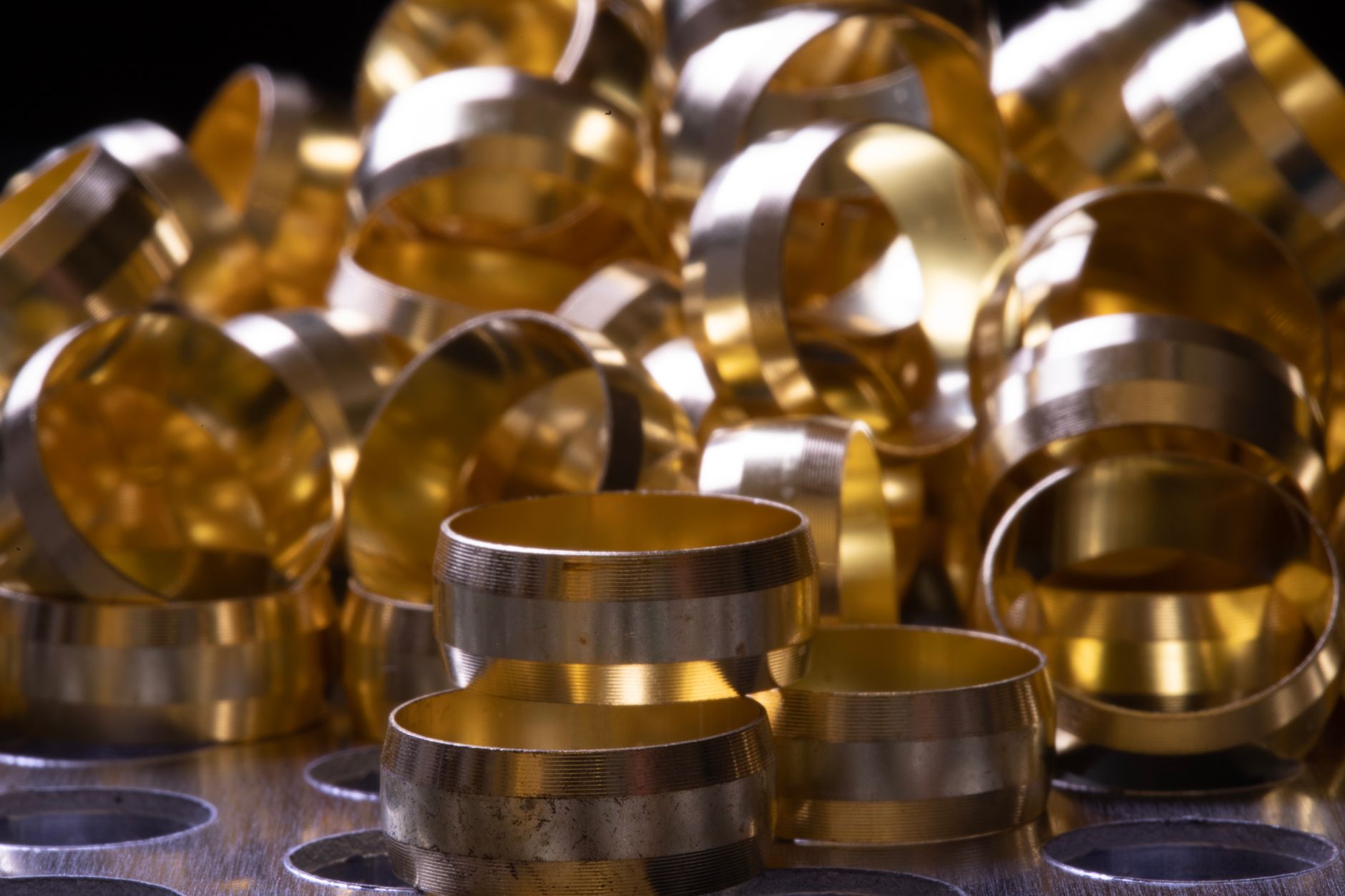
The ring itself tends to be heavier gauge than most decorative jewelry hardware. It has to hold under pressure from leather straps pulling in at least three directions simultaneously, so the metal carries a thickness and a weld quality that most costume jewelry never bothers to achieve. When designers and independent jewelry makers started sourcing similar ring forms, that weight differential is what gave the resulting pieces their authority. A thin chain with a polo-style chest ring reads immediately as borrowed from somewhere functional, not decorative, and that friction is the entire point.
The equestrian world has always fed into fashion’s appetite for hardware with a provenance story. Rein ring slots have already found their way into minimalist bracelet housings, demonstrating that the sport’s specific hardware vocabulary translates cleanly into wearable formats. The breastplate chest ring follows similar logic, but the scale is larger and the placement more central – sternum positioning commands attention in a way that a wrist piece simply cannot.
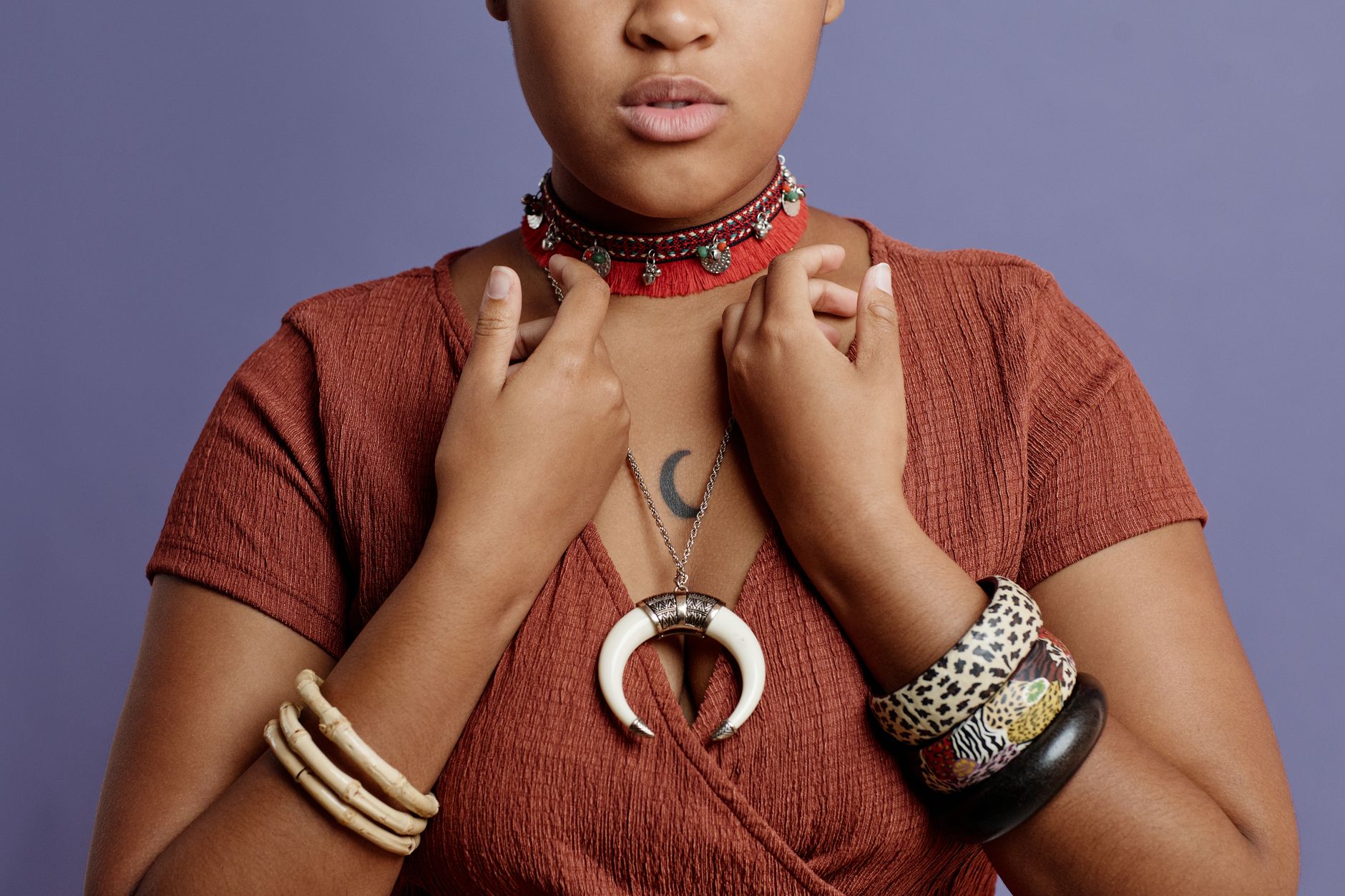
What distinguishes the chest ring from a generic O-ring pendant is the context layering happening around it. These pieces are not worn alone. They anchor a stack: fine chains above them, chunkier link chains below, occasionally a bib-style construction where additional hardware elements radiate outward from the central ring. The ring becomes the structural logic of the whole arrangement, which mirrors exactly what it does on an actual breastplate.
How It Works in Layered Collar Hardware
Layered collar necklaces have been building in complexity over the past several seasons. The early iterations were mostly about mixing chain gauges and pendant scales, keeping everything within a relatively narrow tonal range. What’s happening now is more structural – designers are introducing pieces that have an actual architectural function within the stack, not just an aesthetic one. The chest ring fills that role because it creates a visual terminus, a place where the eye stops before moving back upward through the layering.
The placement logic is specific. A breastplate-style ring worn at collar length – roughly 14 to 16 inches – sits at the notch of the sternum, which is the natural focal point of any open neckline. Everything layered above it, at choker or collar-bone length, reads as framing. Everything below it, if the wearer adds longer chains, becomes a kind of cascade that the ring appears to release downward. It organizes a stack that might otherwise read as chaotic into something that has a clear center of gravity.
The finish choices being made around these rings are worth paying attention to. Brass with a slightly darkened patina is the most common, which keeps the equestrian reference legible without tipping into costume territory. Brushed silver in a heavier gauge reads more modern and pairs cleanly with white metal chain stacks. Some makers are working in oxidized copper, which carries an older, more worn quality that suits the functional-object narrative. What is notably absent, at least in the versions gaining traction, is high polish. High polish would make the ring read as a pendant; the matte or patinated finishes are what make it read as hardware.
Styling choices around these pieces have tended toward tailored or structured outerwear – blazers with open collars, trench coats worn without a scarf, structured knit turtlenecks that stop just below where the ring sits. The hardware needs something clean to land against, and the equestrian reference benefits from the kind of controlled, put-together dressing that polo culture itself is associated with. It does not work as well against a loose floral dress; the reference collapses into confusion without the sartorial support system.
There is also a gender-neutral dimension to this trend that is hard to ignore. The polo breastplate itself is not a gendered object – it sits on a horse, and its design is entirely determined by function. When that hardware is translated into jewelry, it carries the same neutrality. The heaviness of the ring reads as bold without reading as feminine or masculine in any coded way, which makes it flexible across different dressing contexts and body presentations. That openness is part of why it is gaining traction in a moment when collar hardware is being worn by a much wider range of people than traditional fine jewelry ever targeted.
The Tension Between Ornament and Object
The risk in any trend that borrows from functional equipment is that the reference tips too far in one direction – either so literal that it reads as costume, or so abstracted that the source material becomes invisible and the piece loses its edge. Breastplate chest rings are currently holding a productive middle ground: recognizable enough to signal the equestrian reference to anyone with context, strange enough to read as an interesting design choice to anyone without it. That dual legibility is why the pieces are landing across different fashion audiences simultaneously.
Whether that balance holds depends almost entirely on how widely the form gets reproduced. Once a specific hardware shape moves from specialty makers into mass production, the weight differentials and finish quality that made the original pieces feel considered tend to get engineered out in favor of cost efficiency – and with them goes the entire argument for why the ring belongs in a layered collar stack rather than a craft store supply bin.