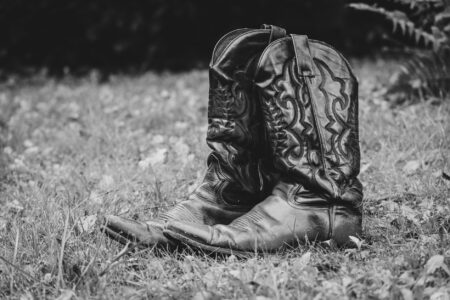


Polo equipment has a structural logic built for survival – thick knee rolls absorb impact, rigid guards protect bone, and every piece is engineered to take a hit without collapsing. Fashion is now borrowing that logic, pulling the squared-off geometry of polo knee roll blocks out of the arena and into footwear design.
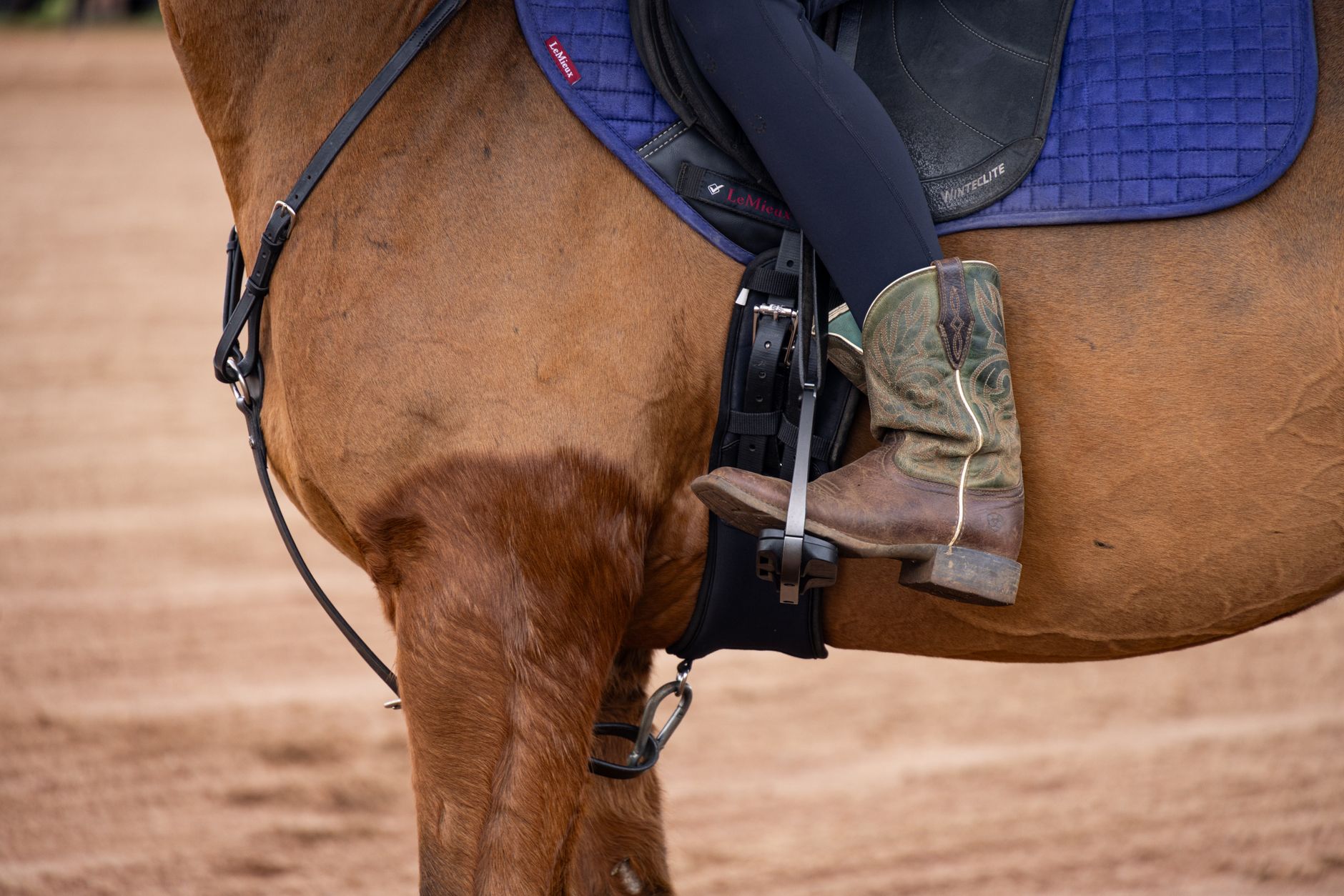
Where the Shape Comes From
Polo knee rolls are the padded blocks sewn into the front panels of riding breeches, sitting just above and below the knee to cushion the leg against the horse and saddle. They are not decorative. The shape is dictated entirely by function – dense foam or leather compressed into a square-edged block that holds its form under repeated pressure. That resistance to deformation is exactly what makes the silhouette interesting to designers working in structured footwear right now.
The toe cap is the part of a shoe or boot that covers and reinforces the front section, and historically it has ranged from the soft, rounded cap of a ballet flat to the elongated chisel of a winklepicker. What polo knee roll geometry introduces is something in between – a cap that reads as deliberately blocked rather than naturally curved, with corners that are allowed to stay corners and a front face that sits almost vertical before meeting the sole. It is a shape that looks like a decision, not a default.
A growing number of footwear labels have been quietly testing this direction across both men’s and women’s collections, building toe caps with the same compressed-square logic that defines equestrian protective gear. The result is a boot or shoe that carries visible structure at its front end – not a pointed aggression, not a rounded softness, but a contained, architectural bluntness. Styling-wise, the cap reads as a punctuation mark at the end of a trouser leg or wide hem.
The equestrian world has influenced fashion before, but usually through surface detail – the logo, the boot shaft height, the color palette of the paddock. This particular crossover goes deeper, borrowing a structural engineering choice rather than an aesthetic reference. That distinction matters because it means the shape does not read as costume. It reads as design language.
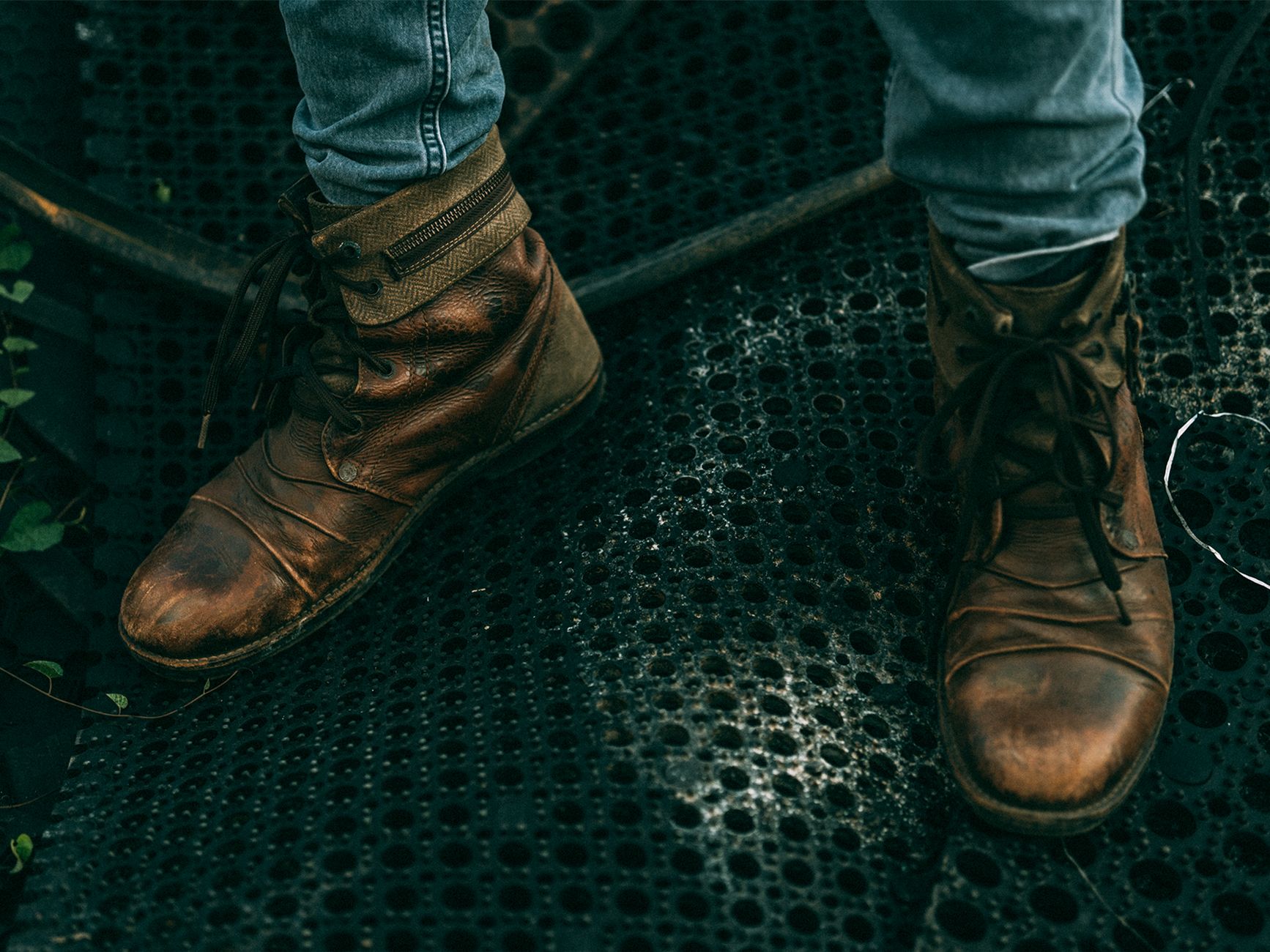
Why the Square Cap Is Landing Now
Footwear that holds its shape without hardware or stiffening agents has become a quiet priority across several market tiers. Buyers and stylists have been responding to shoes that look the same at the end of a day as they did at the start – not because they are unworn, but because the structure is self-supporting. Polo knee roll blocks, by design, do not soften or slouch. That permanence of form translates directly into a shoe cap that looks considered at every angle, in every light condition.
The square toe has cycled in and out of fashion for decades, but its current iteration is different from the blunt square toe of the early 2000s, which was wide and flat and often looked unintentional. The knee roll-influenced cap has a narrower, more upright profile – the width is controlled, the front face has dimension, and the transition from cap to vamp is defined rather than gradual. It carries more interior volume than a pointed toe without the casual read of a rounded one, which makes it easier to pair with tailoring.
Structured skirt waistbands and polo-adjacent hem constructions have already been making their way through womenswear, so the toe cap arriving in footwear fits a broader conversation about equestrian architecture entering ready-to-wear from multiple entry points at once. When the same source material shows up in waistbands, hem lines, and now shoes, it stops being a reference and starts being a vocabulary.
Leather is the obvious material for this execution because it can be blocked and shaped to hold the squared geometry without internal support. But some designers are working in heavy canvas and structured synthetic panels, finding that the same compressed-block aesthetic translates when the material has enough body. The challenge is always the corner – keeping it sharp through wear rather than letting it round off. The polo equipment answer to this is density, and footwear designers are applying the same logic, building up layers at the cap rather than relying on a single shell.
Color has become part of the conversation too. Polo knee rolls are typically leather in natural tones, dark brown, or black – colors chosen for durability and neutral function. The footwear translation has largely stayed in that same palette, which reinforces the utilitarian sincerity of the shape. When the squared cap appears in a polished black leather boot, it reads as sport-derived rather than costume-derived, which is a more difficult effect to achieve in brighter or novelty materials.
How to Wear the Shape
The blocked toe cap works best when the rest of the outfit does not compete with it architecturally. Wide-leg trousers in a heavy fabric – wool, denim, thick cotton – let the cap appear below the hem as a clean finish rather than a visual interruption. Midi skirts in stiff or structured materials work on the same logic. The shoe is not meant to be the softest thing in the outfit, and styling that understands this gets much more out of the silhouette.
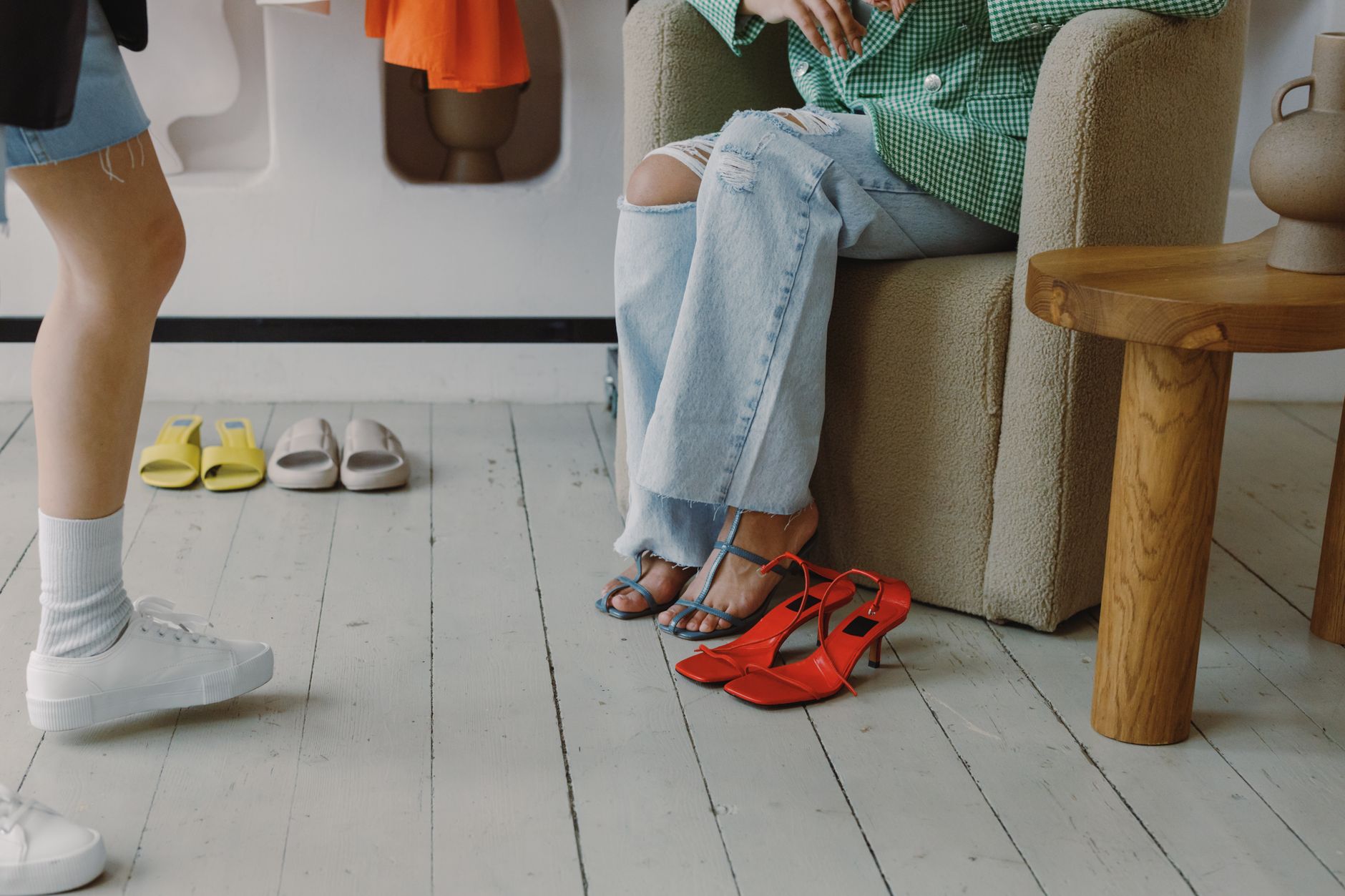
Ankle boots are the most direct format for the shape right now, because the short shaft height keeps the focus on the cap and the sole without the equestrian boot length that might push the reference too literally into riding territory. A blocked-cap ankle boot in black leather with a low block heel sits in a genuinely difficult stylistic space to occupy – architectural but not avant-garde, sport-derived but not athletic, historical but not retro. That ambiguity is part of why the shape has traction with stylists who need shoes that read as considered without announcing themselves loudly.