

When the Polo Field Meets the Runway
Mallet boots – the tall, close-fitting riding footwear worn by polo players to protect ankles and calves during a match – have spent decades confined to the sport’s rarefied circuits. Designed for function first, they hug the leg tightly, feature reinforced toe boxes, and are built to withstand the pressure of stirrup contact at speed. They were never meant to be fashion objects. That is precisely why they are becoming one.
Luxury footwear is currently in the middle of a quiet but sustained obsession with equestrian sport dressing, and mallet boots are arriving as the most specific, least diluted expression of that fixation. While riding boots have long held a place in women’s wardrobes, mallet boots carry a different weight – they read as insider, technical, almost austere. That tension between utility and luxury is exactly where the most interesting footwear is being made right now.
What Separates Mallet Boots From Standard Riding Boots
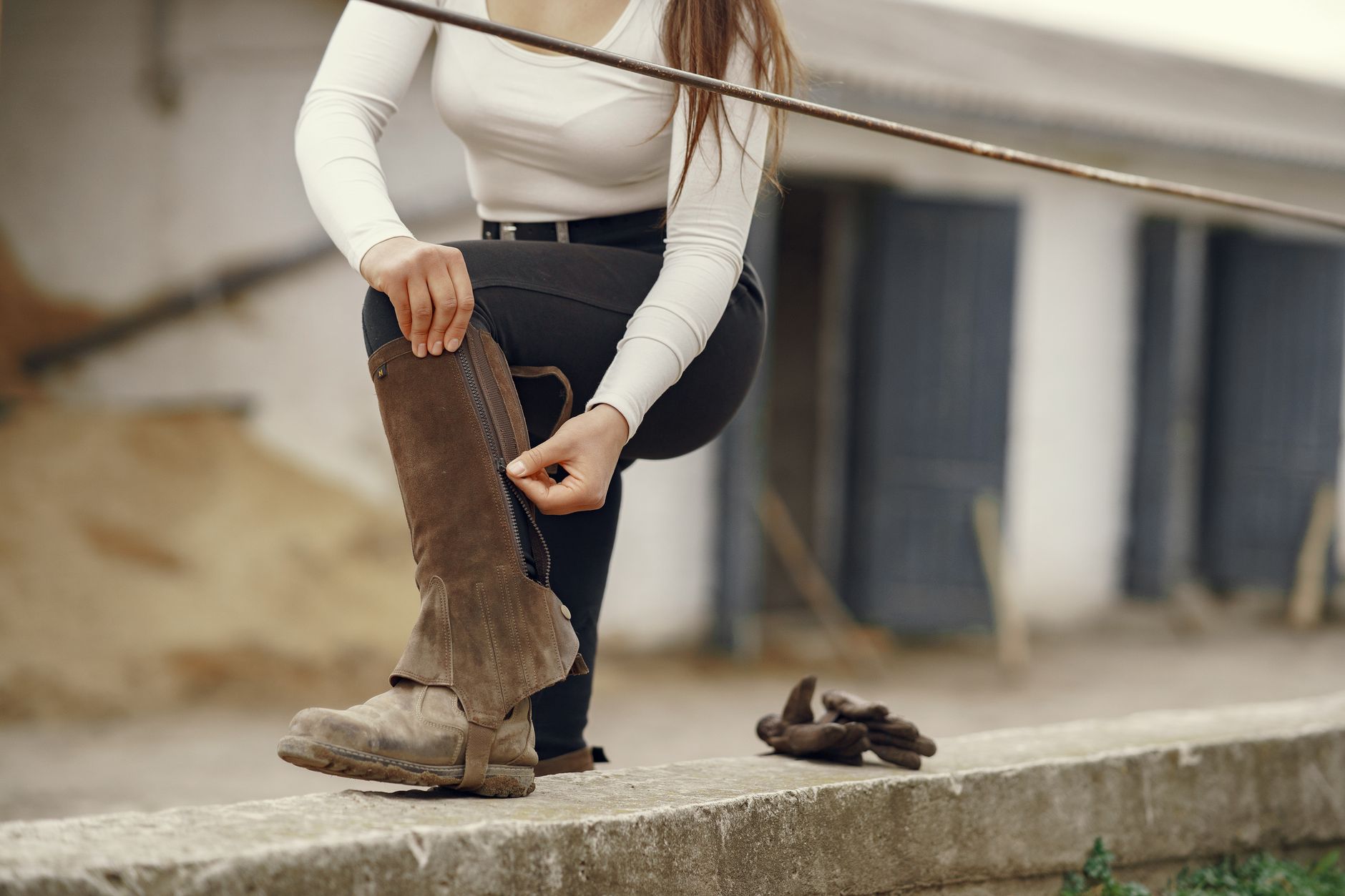
The distinction matters more than it might initially appear. A standard riding boot is a fashion category that has been translated, adapted, and softened over decades of runway and retail interpretation. Mallet boots, by contrast, still carry the hard edges of their original purpose. The shaft height is typically knee-length or just below, the fit is narrow and unforgiving, and the construction often involves laminated leather or synthetic materials chosen for durability rather than drape. These are not boots that flatter – they impose.
That imposing quality is part of the appeal. When footwear designers approach the mallet boot silhouette, they are working with a shape that already communicates discipline and precision. There is no softness built into the original template. Adapting it for a luxury consumer means adding finish – better leather, refined hardware, careful sole construction – without eroding the severity that makes the form interesting in the first place. The best versions currently appearing on the market hold that balance without tipping into costume territory.
The polo context also matters as a signifier. Polo carries an extremely specific set of cultural associations: old money, rural British aristocracy, Argentine sporting dynasties, the particular brand of athleticism that requires both physical skill and access to expensive animals. Mallet boots arrive in a wardrobe trailing all of that context behind them. A luxury consumer who reaches for them is making a more specific statement than the person who buys a generic equestrian boot – they are signaling familiarity with the actual sport, not just the aesthetic.
The Material Question
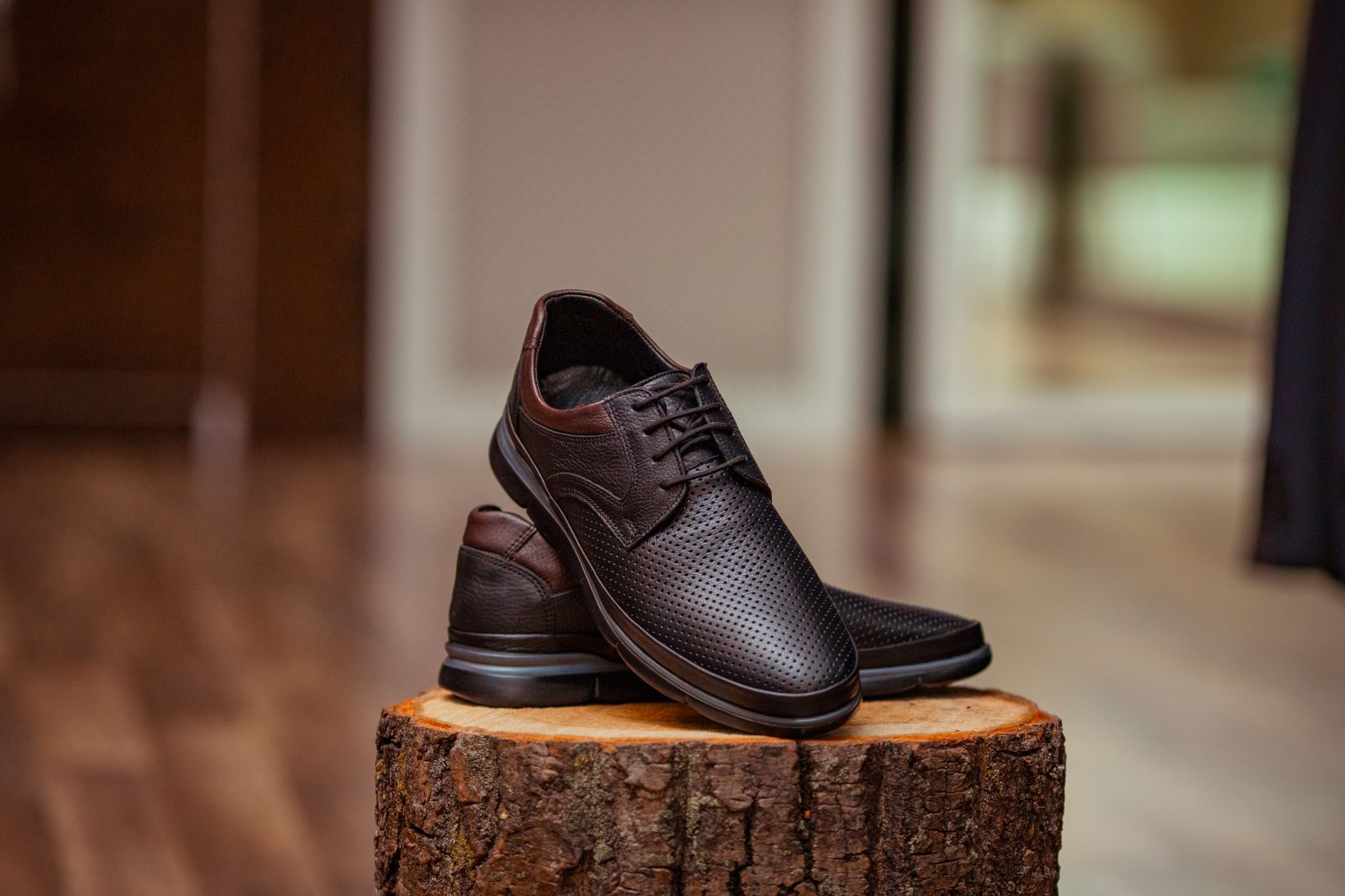
Traditional polo mallet boots were built for disposability – they take considerable punishment during a match and are often replaced each season. The luxury market inverts that logic entirely. When a footwear house approaches this silhouette, the construction philosophy shifts toward longevity: full-grain calf leather, hand-stitched welts, lasts developed specifically for the narrow shaft-to-ankle ratio the boot requires. The resulting object is expensive partly because it is technically difficult to produce well.
Some brands working in this space are experimenting with combining traditional leather uppers with performance-derived midsoles, pulling the boot into a more contemporary hybrid position. It is a logical move – the original boot was always about performance, so incorporating modern footwear technology does not read as incongruous. What matters is whether the silhouette retains its severity. The moment a mallet boot is cushioned into comfort, it starts to lose the quality that distinguishes it from every other tall boot in the market.
How Styling Is Pulling the Boot Into New Territory
The way mallet boots are being worn off the polo field reveals a lot about their current cultural position. Worn over narrow trousers or tucked jodhpurs, they maintain their sporting reference cleanly. But the more interesting styling choices push against that expectation – pairing them with wide-leg suiting, or wearing them under a long structured coat, positions the boot as a counterweight to volume rather than a complement to it. The narrowness of the shaft reads as a graphic element when set against oversized tailoring.
Outerwear pairing is particularly effective because it allows the boot to anchor an otherwise loose silhouette. A broad-shouldered coat or a voluminous skirt needs something at the base to stop the look from reading as shapeless, and the rigid vertical line of a mallet boot provides exactly that. This is a styling principle that works because of the boot’s original construction rather than despite it – the rigidity that makes mallet boots physically demanding to wear is the same quality that makes them visually useful in larger, draped looks.
The connection between equestrian accessories and fashion is not limited to footwear. Polo club knee pads have been finding their way into utilitarian trouser design, reflecting the same appetite for sport-specific hardware translated into everyday dress. Mallet boots are simply the most visible expression of that movement, because footwear carries cultural weight in a way that trouser detailing does not. Shoes are the first thing many people notice, and the last detail that anchors a look.

What keeps mallet boots from tipping into trend-cycle disposability is the specificity of their function. Boots that were designed to perform a very precise physical task carry structural logic that generic fashion footwear lacks. Every detail – the height, the closure position, the reinforcement zones – exists for a reason. That internal logic gives the object a kind of credibility that purely aesthetic footwear struggles to maintain past the season it was introduced. Whether the luxury market is prepared to let the mallet boot exist on those terms, rather than softening it into something more immediately commercial, is the open question worth watching.