

When Equestrian Tack Becomes Structural Fashion
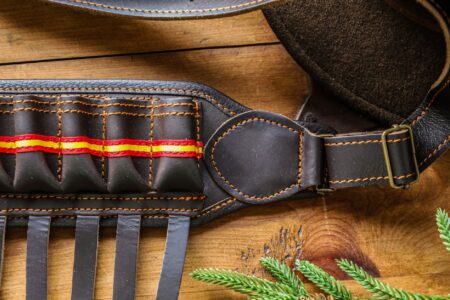
The numnah girth loop is not a decorative element. It is a functional strap attachment point sewn into the underside of a saddle pad, designed to anchor the girth that holds the saddle in place during high-impact polo play. It handles pressure. It distributes tension. It is, by design, a piece of engineering before it is anything else. That background makes what is happening in contemporary corsetry all the more striking.
A growing number of independent designers and small-batch ateliers are pulling numnah girth loop construction directly into waistband architecture – treating the looped strap channel not as ornament but as a load-bearing detail that defines the silhouette from the inside out. The result is a category of waist-cinching garments that look nothing like their equestrian source material yet carry the same underlying logic: a band that holds, anchors, and shapes under real tension.
This is structural borrowing, not aesthetic borrowing.
The Engineering Behind the Loop
A traditional numnah girth loop is constructed from folded webbing or leather, stitched in a flat channel configuration that allows the girth billet to pass through without slipping laterally. What makes it useful to fashion designers is not the look but the behavior – the loop keeps the strap positioned under load, which means the entire system resists distortion when tension is applied from multiple directions. For a garment built around waist compression, that behavior is exactly what standard boning or elastic waistbands struggle to replicate consistently.
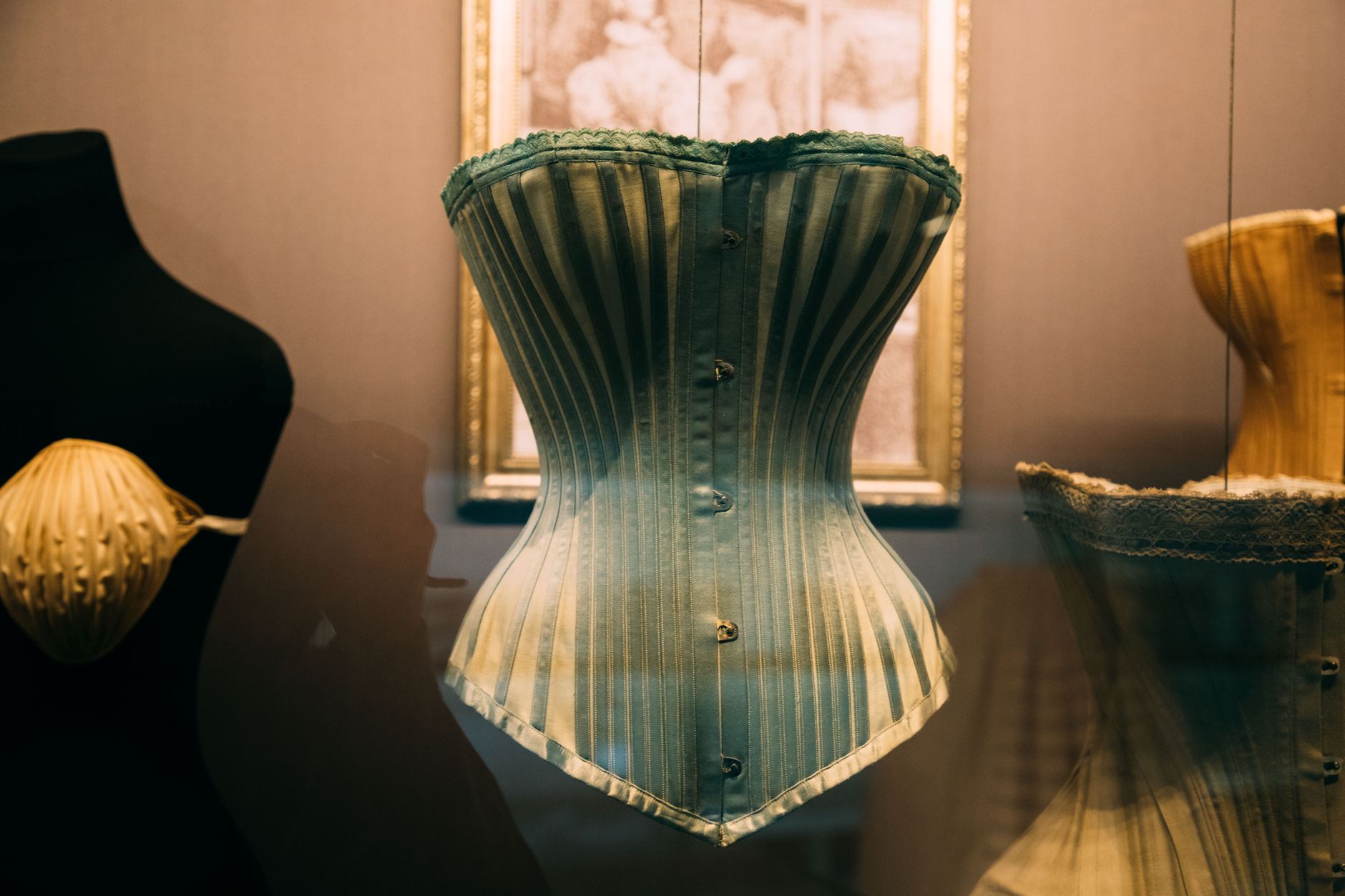
Contemporary corset construction typically relies on boning channels – vertical tubes that hold rigid or semi-rigid stays in place – and a back lacing system to create and hold cinch. The problem with purely vertical boning is that it addresses compression in one plane. When the wearer moves, bends, or sits, the garment can shift, gap at the back, or ride up at the hem. Girth loop construction solves a different part of that problem by adding horizontal anchor points that prevent lateral strap migration. Designers working with this approach are sewing loop channels into the waistband itself, threading a horizontal banding strap through them that circles the body and fixes the vertical structure in place.
The construction requires more precision than it might appear on a hanger. The loop channels must be positioned at exact intervals to distribute tension evenly, and the strap material – typically a woven cotton webbing or a matte grosgrain ribbon – has to carry significant load without stretching. Some designers are sourcing actual equestrian webbing from saddlery suppliers because standard fashion trimming does not meet the performance standard the construction demands.
Where This Is Showing Up
The clearest expressions of this trend are appearing in corset-adjacent outerwear: structured blazers with a pronounced waist seam, high-waisted trousers with a deep yoke band, and standalone waist cinchers worn as layering pieces over shirts and dresses. In each case, the visible detail is a horizontal strap – sometimes exposed at the front, sometimes hidden beneath a fabric facing – that sits at or just below the natural waist and is secured through loop channels rather than through conventional buckle hardware or hook-and-bar closures.
The aesthetic effect is clean in a way that buckle hardware rarely achieves. Because the strap passes through a loop rather than clasping to a fixed point, the tension distributes across a wider area and the outer fabric lies flat. There is no hardware lump, no clasp ridge visible through a top layer. For designers working in minimal or tailored directions, that smoothness is the point. The structure does its work without advertising itself, which aligns with a broader appetite for garments that read as simple but behave as complex.
This construction also connects naturally to the ongoing interest in harness-derived silhouettes – a direction that has been gaining ground in tailoring and outerwear for several seasons. Polo club breastplate D-rings anchoring minimalist harness silhouettes represent a parallel strand of the same equestrian-to-fashion translation: taking functional hardware from the stable and using it to define body-conscious structure without leaning on leather or overt S/M coding.
Why This Moment, Why This Detail
Fashion has been returning to foundation garments for several years – not the nostalgic kind shaped by historical pastiche, but a technical reconsideration of how a garment holds its shape on a moving body. The renewed focus on corsetry has pushed designers to look beyond the standard historical toolkit and toward functional industries where body-encircling tension has been solved for far longer and under far more demanding conditions. Equestrian equipment is a natural archive for that kind of research. The performance requirements for polo tack – which must stay secure on an animal moving at speed, changing direction, absorbing impact – exceed almost anything a garment worn by a standing or walking human will face. Borrowing from that standard means building in surplus engineering that translates to durability and precision fit in fashion contexts.
The numnah girth loop also happens to be visually quiet in a way that other equestrian-derived details are not. Stirrup hardware and bit-chain trim read as fashion signifiers immediately. The loop channel reads as nothing at all to an untrained eye, which gives designers room to use it without triggering the obvious equestrian-chic associations that can date a garment quickly.
That invisibility is probably what ensures this detail will outlast its trend moment. When a construction technique works structurally and disappears visually, it stops being a trend and becomes a method.
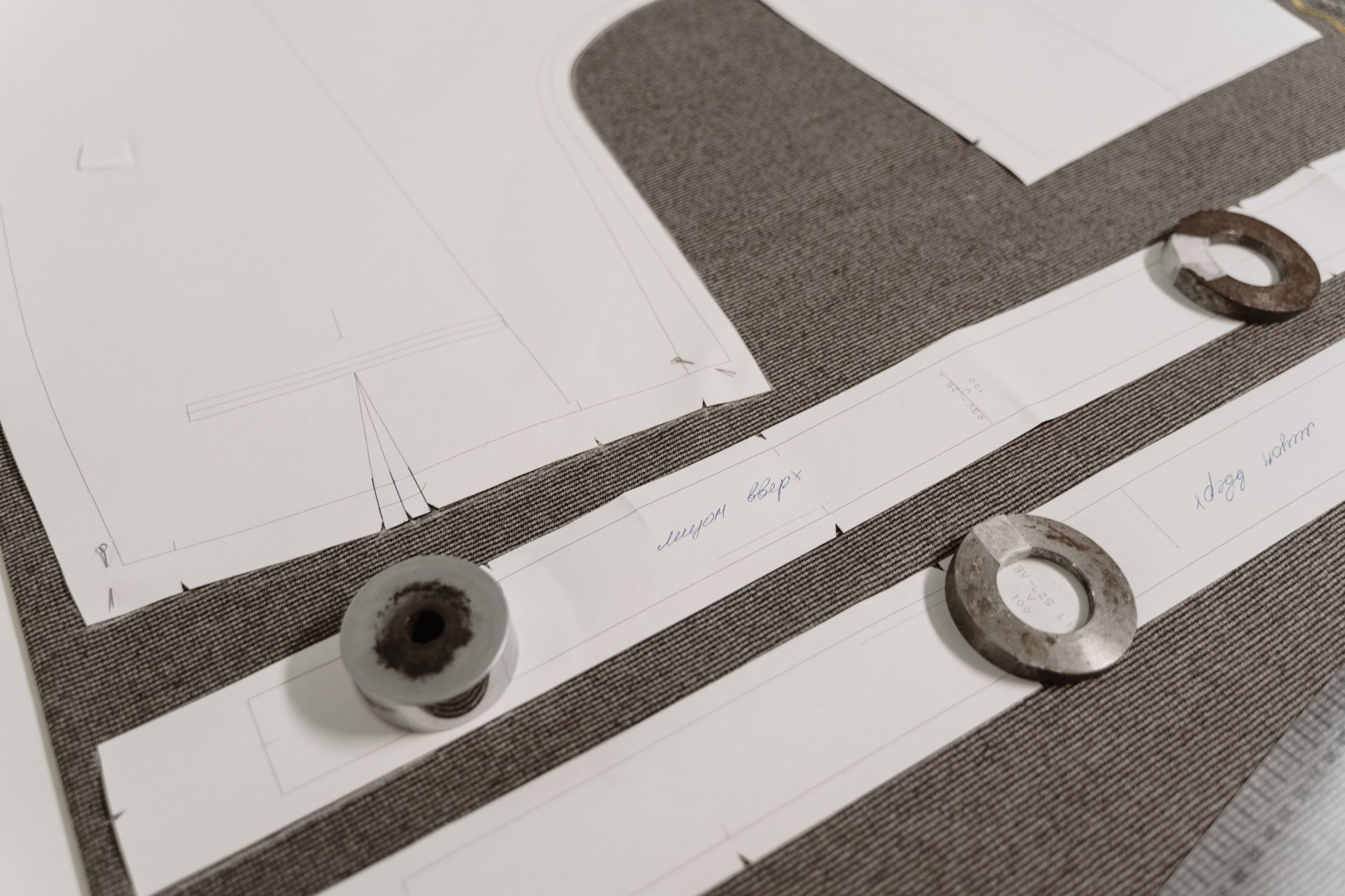
The real question is whether this approach reaches ready-to-wear production at any meaningful scale – because the loop channel construction that works beautifully in atelier quantities becomes a significant technical challenge when cut rooms are running hundreds of units, and the precision stitching that holds the loop in the right position under tension is exactly the kind of detail that industrial grading tends to flatten into something that no longer functions the way the sample did.
Frequently Asked Questions
What is a numnah girth loop?
A numnah girth loop is a strap channel sewn into a saddle pad that anchors the girth under tension during riding. It holds its position under load without lateral slipping.
How is girth loop construction used in fashion corsetry?
Designers sew loop channels into waistbands and thread a horizontal strap through them, distributing cinch tension evenly and keeping the garment flat without visible hardware.