

Where Equestrian Craft Meets Street-Level Outerwear
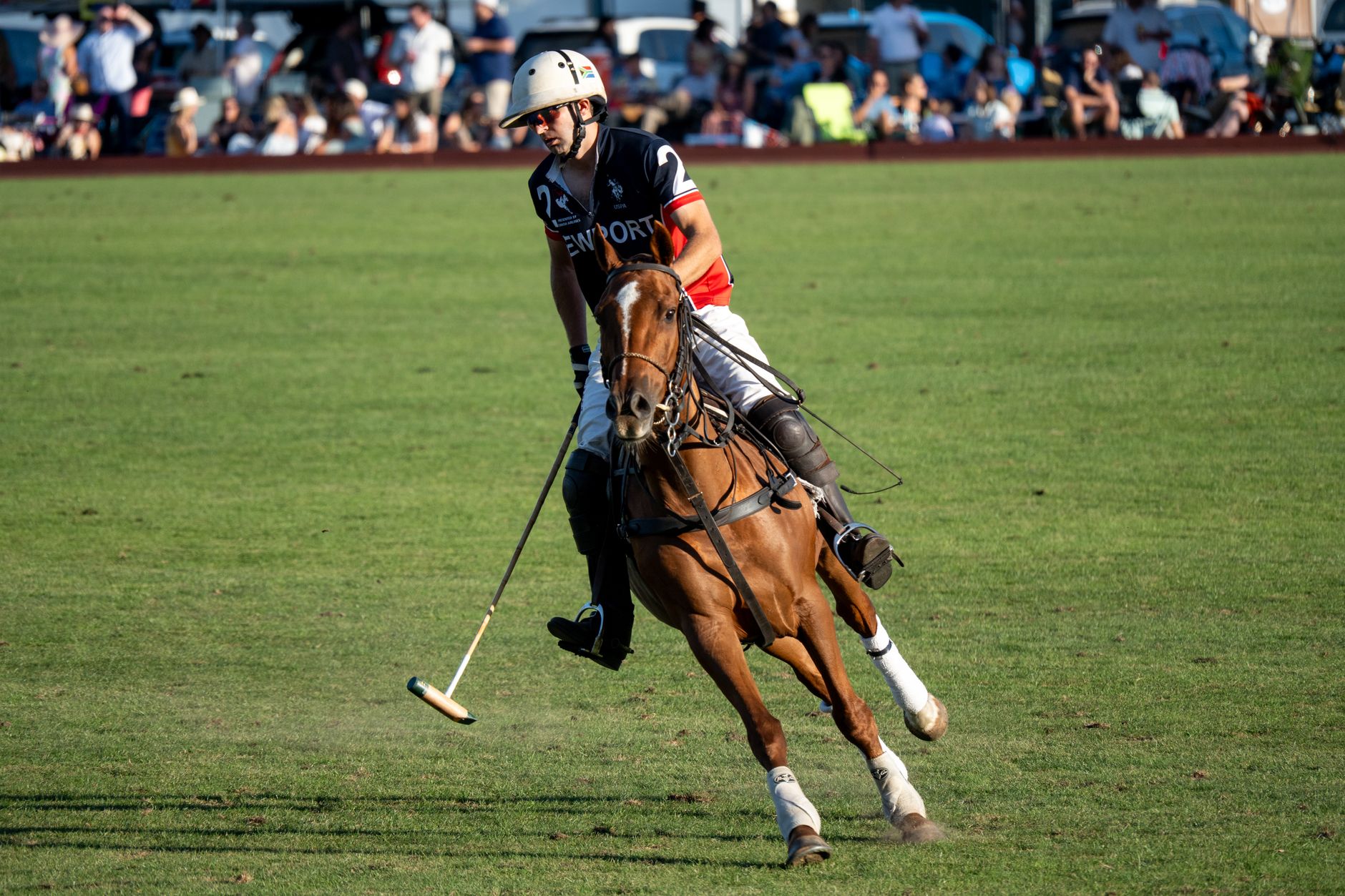
Polo club numnahs – the quilted saddle pads placed between a horse’s back and the riding saddle – have a utilitarian logic that fashion has quietly been borrowing. The numnah’s grid-stitched surface, designed to distribute pressure evenly and absorb impact, translates with surprising directness into padded jacket construction. Where puffer panels have long relied on horizontal baffling or basic diamond quilting, a growing number of outerwear designers are pulling from equestrian textile traditions to create surface textures that feel genuinely new on the rack.
The appeal is not purely aesthetic. Numnah quilting tends to run in tighter, denser patterns than standard jacket padding – smaller squares, more stitch lines, a compressed grid that holds its structure without puffing outward like a sleeping bag. The result on a jacket panel is a restrained, almost architectural look: padded enough to be functional, flat enough to feel polished. It sits somewhere between sportswear and tailoring, which is exactly the tension that outerwear designers have been trying to resolve for several seasons.
The Quilting Pattern Itself Is Doing the Work
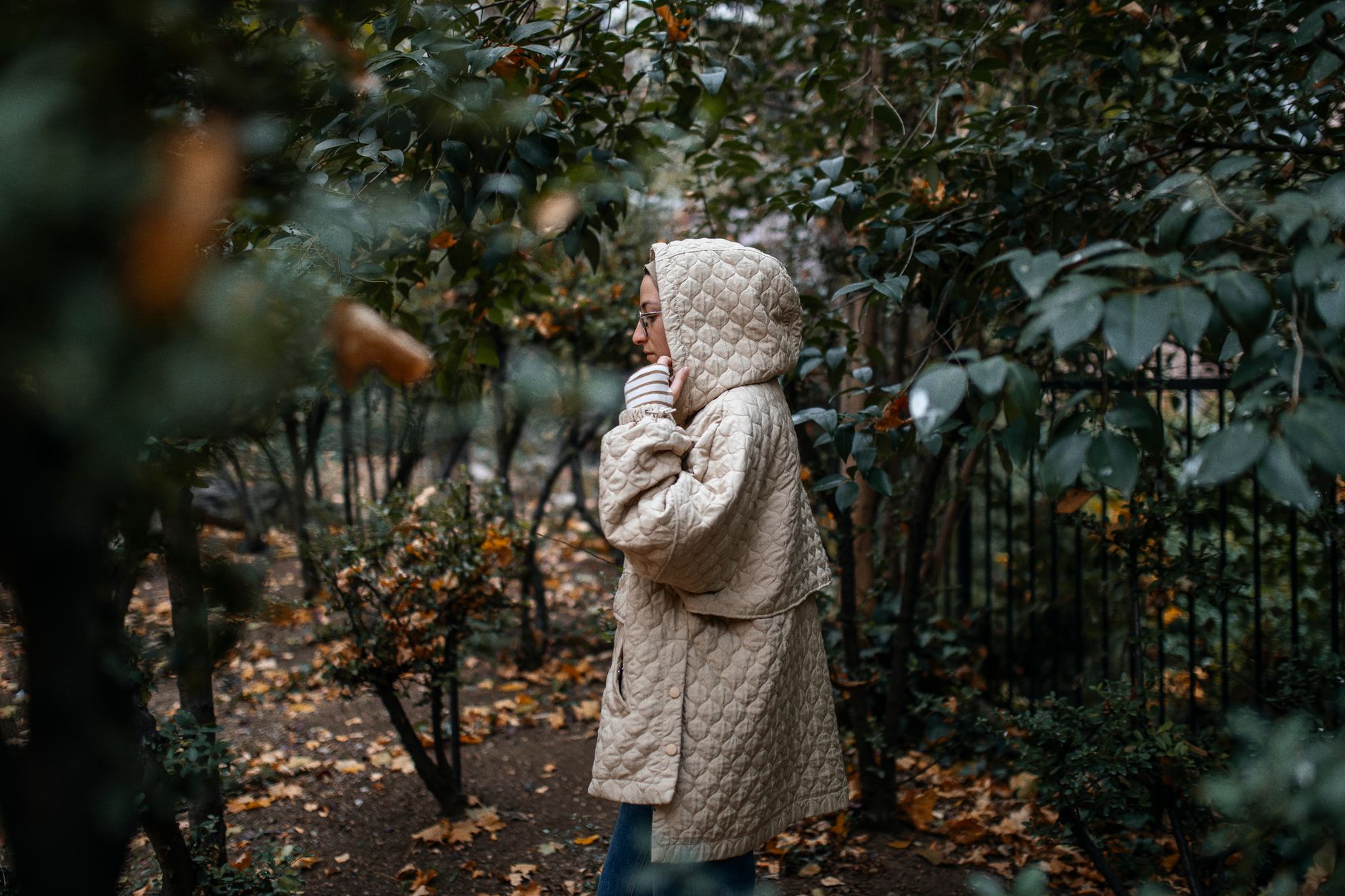
Standard puffer jackets lean on fill power – the loft of the down or synthetic insulation inside – to communicate warmth and quality. Numnah-inspired quilting reverses that logic. The emphasis shifts to the stitching pattern on the shell fabric, with the quilting itself carrying visual weight rather than the volume beneath it. A panel stitched in tight polo numnah geometry reads as considered and deliberate, even at a glance from across a room. The surface has character before you even touch it.
Fabric choice amplifies this effect. Numnahs in their original equestrian context are typically made from cotton fleece, sheepskin, or technical synthetic materials – all of which have a low-sheen, matte presence. When that material logic carries over to jacket shells, designers tend to reach for matte nylons, brushed polyesters, or waxed cotton twills rather than the high-gloss nylon that dominates mass-market puffers. The matte shell makes the quilting pattern more legible. Every stitch line casts a slight shadow, and that shadow is what gives the panel its texture at different light angles.
The grid density matters enormously in execution. Numnah quilting at its most recognizable runs in a tight square or slightly offset diamond repeat, with stitch spacing somewhere between one and two inches. Go wider and it starts reading as generic quilt work. Go tighter and it risks looking like upholstery. The sweet spot – the one equestrian saddlery has spent decades calibrating for both durability and comfort – happens to land in a range that reads well on a jacket back panel, sleeve, or chest bib. That inherited calibration is part of why the reference works without requiring heavy redesign.
Some outerwear labels are using numnah quilting selectively, applying it to specific panels rather than across the whole jacket. A quilted back yoke in a polo grid pattern paired with unquilted front panels creates visual contrast and lets the texture function as a design element rather than just insulation logic. Others are treating the numnah grid as a full-body surface treatment, particularly on shorter bomber-length silhouettes where the pattern can read completely without interruption from long vertical seams.
Equestrian Codes and Their Streetwear Crossover
Equestrian references in fashion have a long track record – riding boots, jodhpur trousers, show jackets with their structured shoulders – but numnah quilting is a more technical, less obvious reference point than most. It doesn’t carry the aristocratic signaling of a formal riding coat or the heritage branding of a classic wax jacket. The numnah is functional equipment, not ceremonial dress. That gives it a different energy when it enters streetwear-adjacent outerwear: it reads as research rather than costume.
The crossover also benefits from timing. Quilted outerwear is broadly popular, which means the category is crowded and differentiation is genuinely difficult. Pulling a quilting reference from polo club equipment – specific enough to be traceable, obscure enough to feel fresh – gives a jacket a story that a standard horizontal baffle cannot. It’s the kind of detail that rewards close attention without requiring explanation at first glance.
Construction Notes That Define the Category
Getting numnah quilting right on a jacket panel requires more than copying the stitch pattern. Authentic numnah construction uses a consistent stitch tension that keeps the pad flat under pressure, which translates in outerwear to a quilting tension that prevents puckering when the fill is compressed by movement. This is harder to achieve than it sounds, particularly in curved panels like sleeves and side gussets where the fabric grain changes direction relative to the stitch line.
Fill choice also interacts directly with how the quilting reads. High-loft fill pushes against the stitch lines from inside, which can blur the grid pattern by rounding the channels between stitches. Lower-loft technical fills – the kind used in performance outerwear designed for active movement rather than static warmth – sit flatter and let the stitch grid remain sharp and defined on the shell surface. This is a practical trade-off: less loft means less insulation value per inch, but cleaner quilting geometry. Designers working seriously with numnah references tend to accept that trade-off.
Colorway plays into this more than might be expected. Traditional polo numnahs appear in club colors – often strong saturated tones, or clean white and navy combinations – and that palette carries over naturally into outerwear that wants to hold the equestrian reference. A forest green or deep burgundy matte shell with tight numnah quilting reads immediately as intentional rather than accidental. Neutral colorways work too, but the pattern loses some of its specificity against beige or gray, where it can blur into generic quilt territory. The strongest executions tend to commit to a color that lets the grid pattern claim its reference without apology.
Frequently Asked Questions
What is polo club numnah quilting?
A numnah is a quilted saddle pad used under a polo or riding saddle. Its tight grid-stitch pattern is now being applied to padded jacket panels for a structured, low-profile texture.
How is numnah quilting different from standard puffer quilting?
Numnah quilting uses tighter, denser stitch spacing and works best with lower-loft fills, keeping the surface flat and the grid pattern visually sharp rather than rounded and voluminous.