

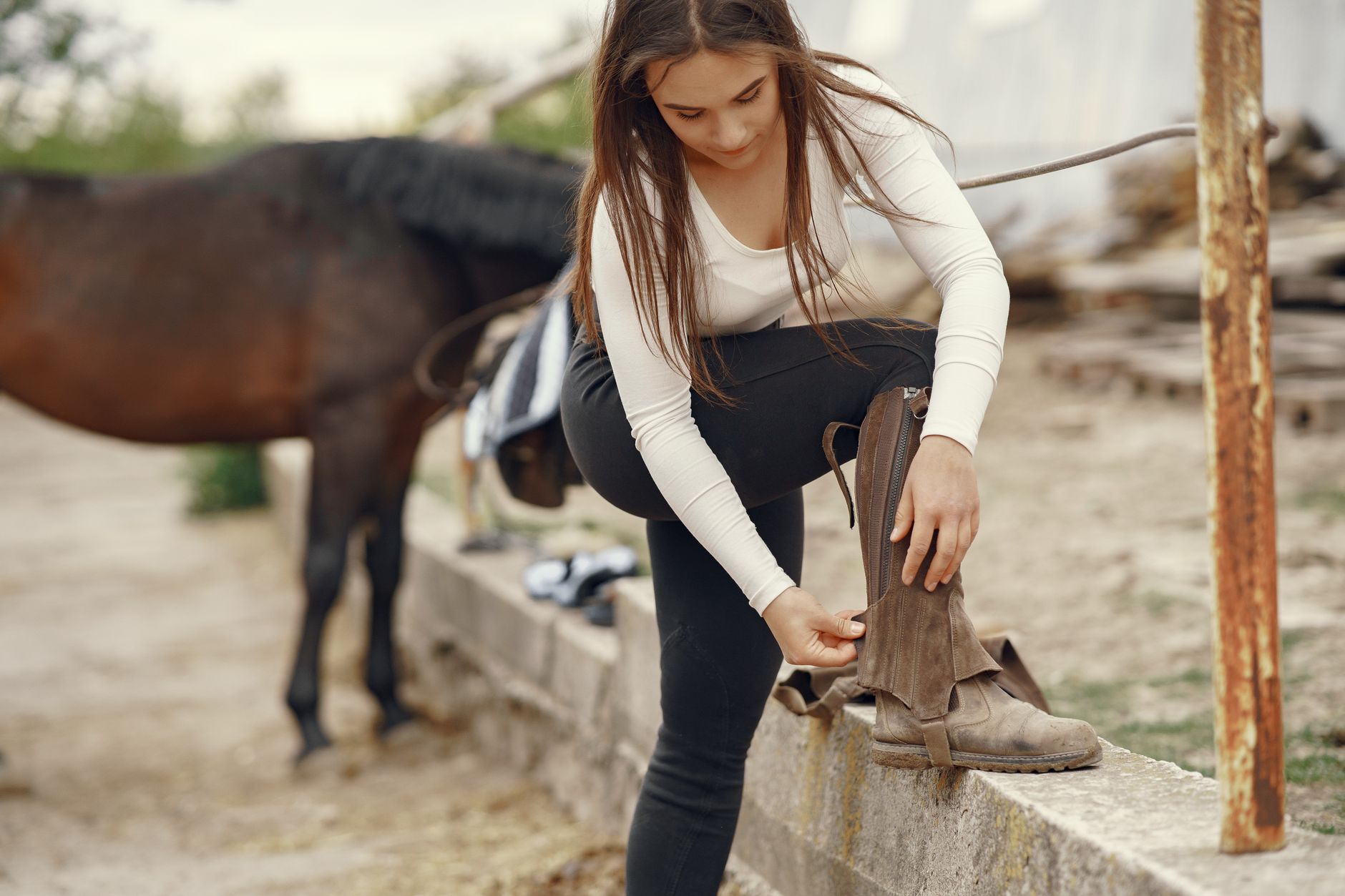
Paddock boots were built for the stable. Stiff ankle support, mud-resistant leather, a low heel designed for stirrup control – every detail was engineered for function inside a polo yard. Now those same boots are showing up on city sidewalks, paired with wide-leg trousers and oversize blazers, and the crossover feels less like a costume and more like an inevitability.
From the Yard to the Pavement
The paddock boot’s silhouette has always had something quietly elegant about it. Unlike the full-length riding boot, which requires a commitment – to the look, to the occasion, to the leg – the paddock boot stops just above the ankle. That proportion works with almost everything. It closes the gap between utility footwear and something you’d actually want to wear outside of a sporting context, and that gap has been narrowing for a few seasons now.
What’s driving the transition isn’t a single brand moment or a celebrity photograph. It’s more diffuse than that – a general appetite for footwear that looks earned rather than purchased. Workwear-adjacent styles, military silhouettes, and equestrian references have all been cycling through street style for the better part of three years, and the paddock boot sits at the intersection of all three. It carries the same visual weight as a Chelsea boot but with more character, more structure, and a specific provenance that fashion right now finds genuinely interesting.
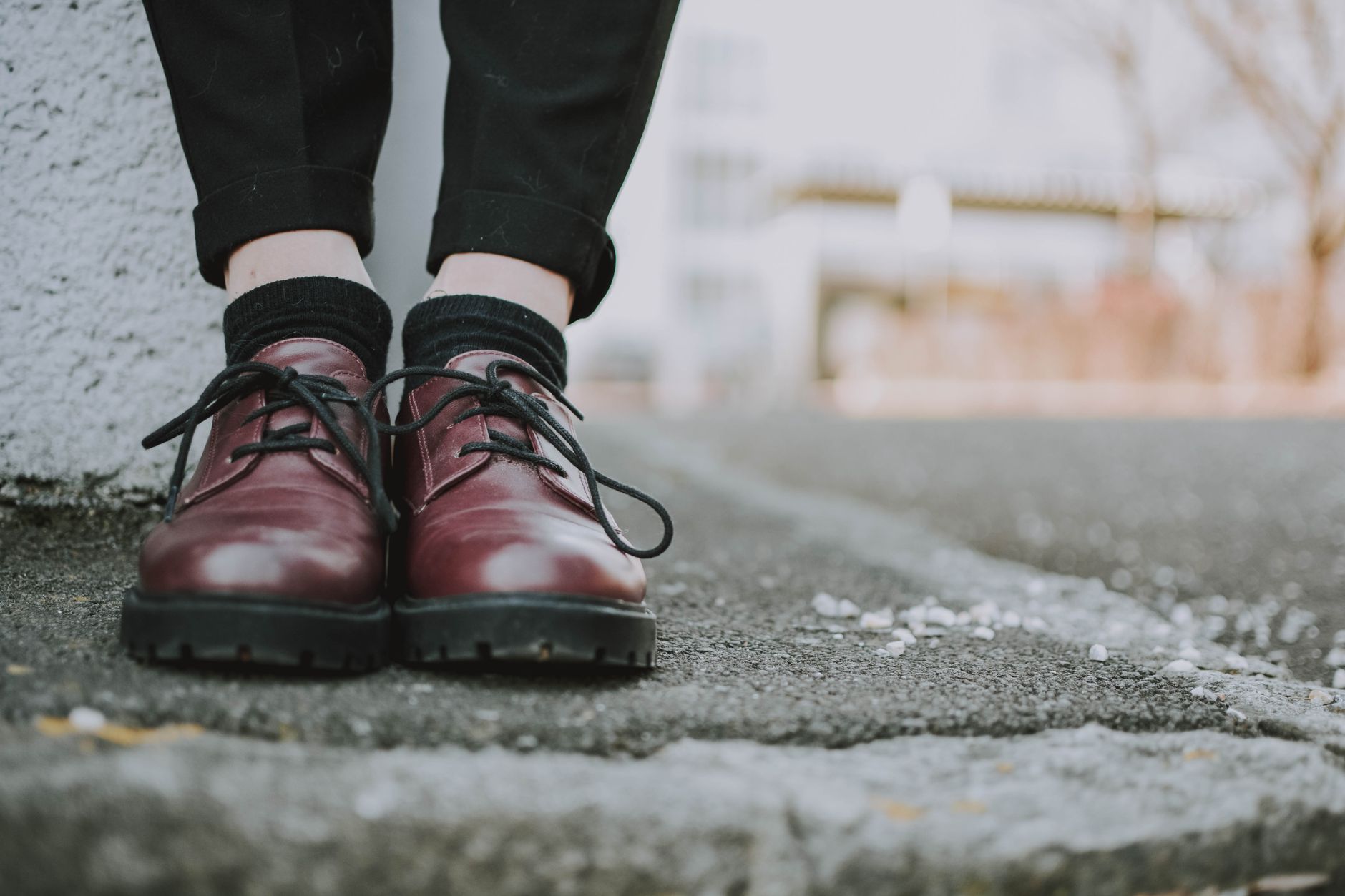
Traditional paddock boots are made in either pull-on or zip-close constructions, usually in full-grain leather or synthetic alternatives, with a low stacked heel and a rounded or slightly squared toe. The sole is designed for grip on uneven ground. That traction detail – often a pronounced rubber lug or a molded outsole – gives the boot a profile that reads rugged without reading costume. On pavement, that outsole functions just as well as it does on grass, which is part of why the transition feels natural rather than forced.
The polo connection adds a layer of specificity that elevates the boot beyond generic equestrian. Polo is a sport with its own distinct visual language: white breeches, knee guards, mallets, fast lateral movement. The gear that supports that movement tends to be more athletic and more structured than traditional hunt country dressing. Paddock boots worn in a polo context have a slightly sportier DNA than their fox-hunting counterparts, and that sportiness translates directly to contemporary street wear, where the blending of athletic and tailored has been the dominant tension for years.
How the Styling Actually Works
The most convincing street-style iterations of the paddock boot lean into contrast. A dark, polished leather boot worn with unstructured linen trousers and a washed cotton shirt creates a push-pull between refinement and ease that feels current. The boot anchors the look without dominating it. Because the ankle height is modest, it doesn’t interrupt the line of a longer trouser – it simply stops things cleanly and lets the leg read as one continuous vertical.
Denim pairings work, but they work best when the denim is doing something specific. A wide-leg or slightly cropped silhouette lets the boot sit properly visible without requiring a deliberate cuff. Slim straight cuts work too, especially when the boot has enough structure to push back against the casual weight of the fabric. What tends to look awkward is a very distressed or heavily washed jean against a formal-finish boot – the contrast tips from intentional into accidental.
For women’s styling, the paddock boot opens up terrain that more delicate footwear closes off. Worn with a midi skirt – particularly in a heavier fabric like wool or a coated cotton – the boot brings weight and purpose to a silhouette that can otherwise read too soft. The equestrian reference in that pairing is present but not cartoonish, particularly if the rest of the outfit avoids obvious horse-country signifiers. No hacking jacket needed. The boot carries the reference lightly enough that everything else can be entirely urban.
Color is where the styling conversation gets more interesting. Classic paddock boots come in black and brown, and both translate without difficulty. But some brands are experimenting with the silhouette in oxblood, dark navy, and even muted olive finishes that move the boot further from its origins and deeper into contemporary wardrobe territory. Those tonal shifts make the boots easier to read as fashion objects rather than sporting equipment, which opens them up to a wider range of styling contexts – including ones where the equestrian reference is barely legible at all.
The boot’s relationship to polo-adjacent utilitarian dressing is part of a broader pattern in which sporting subcultures provide ready-made visual vocabularies for street style to borrow. What matters with the paddock boot specifically is that the borrowing doesn’t require a full commitment to the source material. You can wear one polo-inflected piece – the boot, a quilted vest, a technical collar – and the rest of the outfit absorbs it. The boot works as a single point of reference, not a costume requirement.
What Makes This More Than a Moment
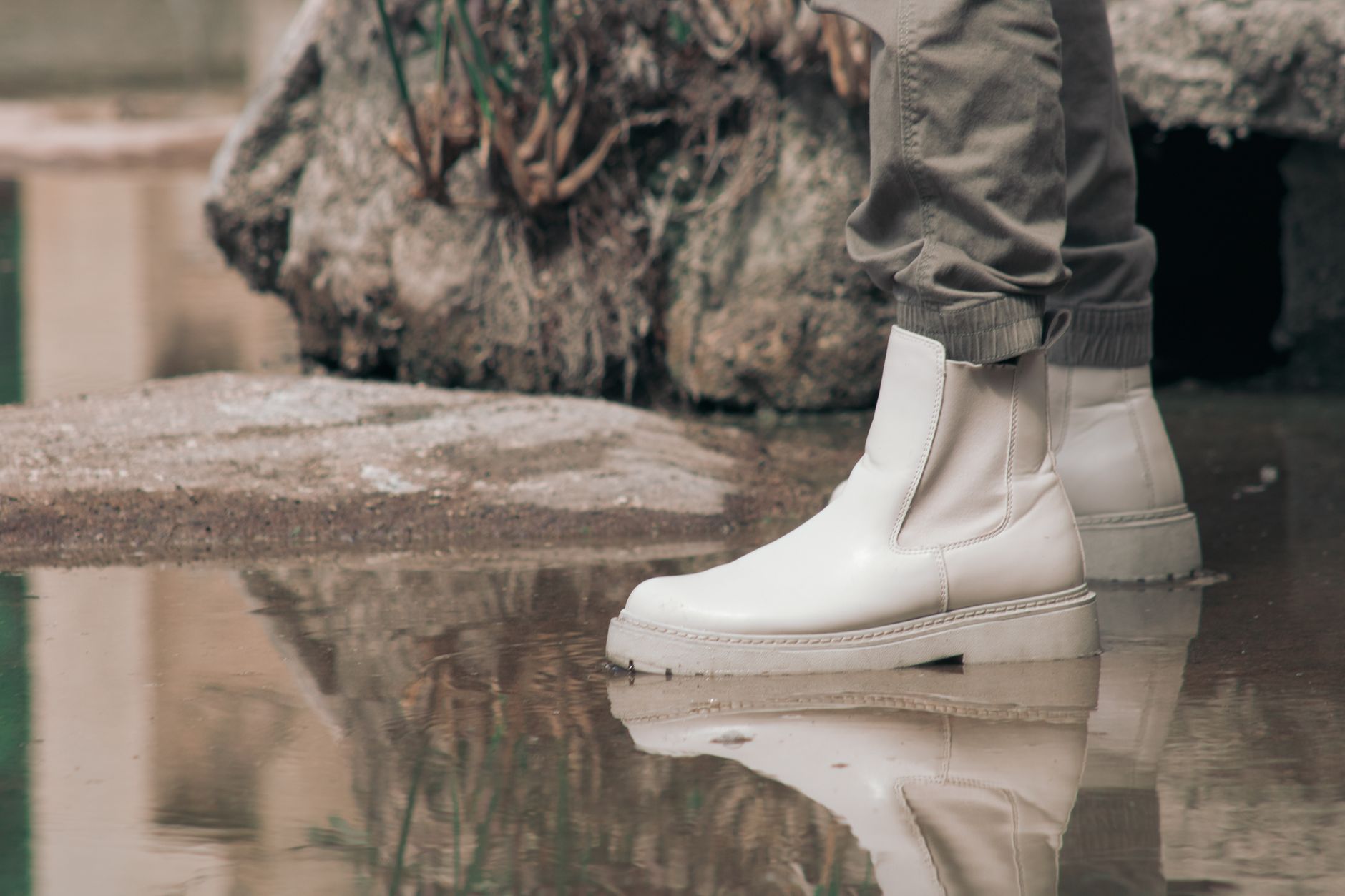
Trends built on genuine functional logic tend to stick around longer than purely aesthetic ones. The paddock boot isn’t interesting because it looks equestrian – it’s interesting because it solves a real styling problem. It provides ankle structure and weather resistance in a profile that reads as deliberate rather than athletic, and that combination is genuinely hard to find in a market crowded with either overtly sporty footwear or formal shoes that can’t survive a city block in October.
The question worth asking is whether the boot can hold its street-style credibility once it moves past early adoption. The same cycle has played out with workwear boots, military lace-ups, and even certain equestrian tall boot references – initial excitement, then oversaturation, then a settling into the broader wardrobe where the silhouette just becomes a reliable option rather than a talking point. The paddock boot is probably heading there. Whether that dilution feels like a loss depends entirely on why you started wearing them.
Frequently Asked Questions
What are paddock boots and why are they trending in street style?
Paddock boots are ankle-height equestrian boots originally designed for stable and polo use. Their structured silhouette and low heel translate well to everyday urban outfits, making them a natural crossover from sporting to street wear.
How do you style paddock boots for everyday wear?
Paddock boots work best with wide-leg trousers, midi skirts in heavier fabrics, or slim straight denim. Avoid heavily distressed jeans against a polished boot finish, as the contrast tends to read unintentional rather than styled.