

Where the Stable Meets the Salon
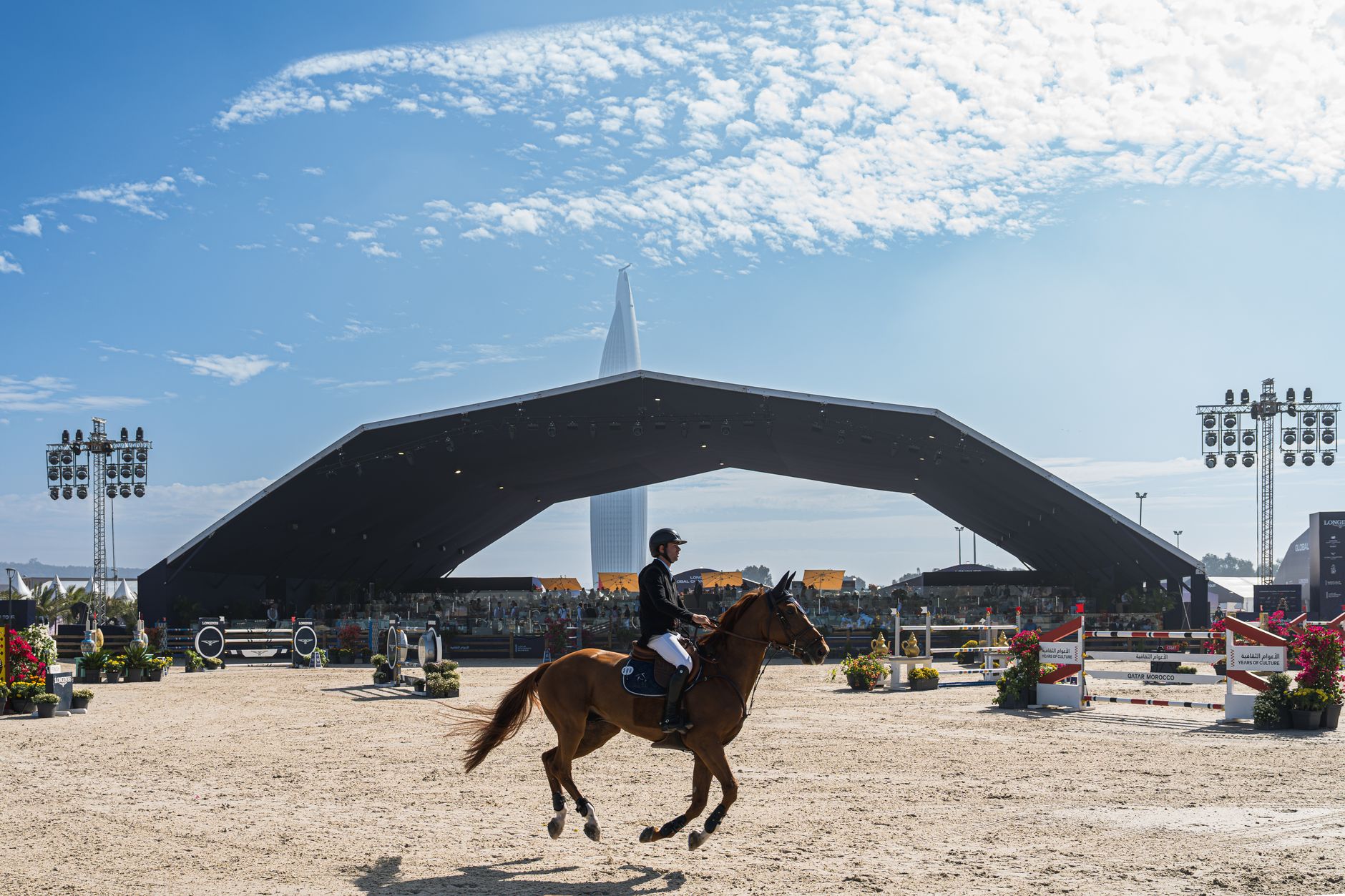
Polo pony tail nets have a very specific job on the field: keep a horse’s tail bundled tight so it doesn’t tangle in a mallet mid-swing. They are utilitarian, woven, and almost aggressively unfussy. Which is precisely why fashion finds them irresistible right now. The accessory world has a long habit of raiding athletic gear for its most ignored details, and the tail net – with its open mesh construction, drawstring closure, and subtle structural shape – fits the current appetite for pieces that carry a history without announcing it loudly.
What’s arriving in sheer accessory drops is not a replica of the equestrian original. It’s a translation. Designers are pulling the net silhouette into human hair territory, producing snood-adjacent styles and loose mesh cages that sit at the nape, the crown, or low on a gathered ponytail. The material shifts from coarse horsehair-safe netting to fine silk tulle, delicate hand-knotted nylon, and gossamer organza ribbon construction. The shape stays. The sport reference softens into something closer to costume history than riding paddock.
The Net as a Fashion Object
Hair nets have cycled through fashion consciousness for decades – from the glamour-era snoods of the 1940s to the beaded evening nets of the 1980s. What makes the polo tail net a distinct entry point is its proportional difference. It’s designed for volume. A horse’s tail is full and dense, so the net that contains it has a generous interior capacity, an exaggerated opening, and a drawstring or elastic band with enough give to accommodate serious mass. When scaled and reinterpreted for human hair, that volume translates into a piece that looks almost architectural sitting against a low bun or thick ponytail.
The sheer quality is where the current drops are finding their edge. Transparency in accessories reads as effortless right now – it suggests something that was barely there, barely tried, yet somehow completely intentional. A fine mesh net over a ponytail does exactly that. It holds without looking heavy. It decorates without covering. The hair beneath remains visible, which makes color, texture, and movement part of the aesthetic rather than something being contained and hidden.

What the Drops Actually Look Like
The current wave of sheer hair net accessories is arriving in a few distinct forms. The simplest version is a single-layer tulle pouch with a thin satin drawstring, sitting at the base of a gathered ponytail and left slightly loose so the tail fans out inside. A more constructed take uses knotted netting in a diamond pattern – closer to vintage tennis or golf headwear than the polo original – with a velvet or grosgrain ribbon running through the perimeter. Some drops are pushing toward the sculptural end, using stiff organza to hold the net open in a near-spherical shape even before hair is placed inside.
Color tends to run neutral or tonal. Ivory, champagne, nude, and black dominate because transparency works best when it doesn’t compete with the hair. A few early versions have introduced metallic thread woven through the mesh – gold or silver – which catches light without adding visual weight. The effect is closer to jewelry than hairware.
Closures are getting design attention of their own. The original polo tail net closes with a basic elastic loop, functional but crude. The fashion adaptations are replacing that with pearl-tipped bobby pins threaded through the net edge, small tortoiseshell rings that the drawstring loops through twice, and in some cases tiny hook-and-eye closures at the crown of the net that make the whole thing feel like a miniature garment with its own fastening logic.
Sizing is worth understanding. Because these are translated from a form originally meant for substantial animal tails, even the more delicate versions tend to run larger than a typical hair snood. That’s part of the appeal for thick or long hair, which has often been underserved by hair accessories designed with fine or medium textures in mind. The generous interior means the net doesn’t strain, bunch, or leave pressure marks – a practical detail that makes the accessory more wearable across a full day.
Styling Context and Where It Lands
The tail net works best when the rest of the look stays simple. A structured blazer and trousers with a sheer-netted ponytail at the nape reads as quietly specific in a way that a full accessories stack doesn’t achieve. The net is doing its best work when it’s the only detail at the back of the head – no additional clips, no ribbons layered over it. It carries enough visual interest on its own that competition from other pieces dilutes the effect. This is an accessory that rewards restraint.
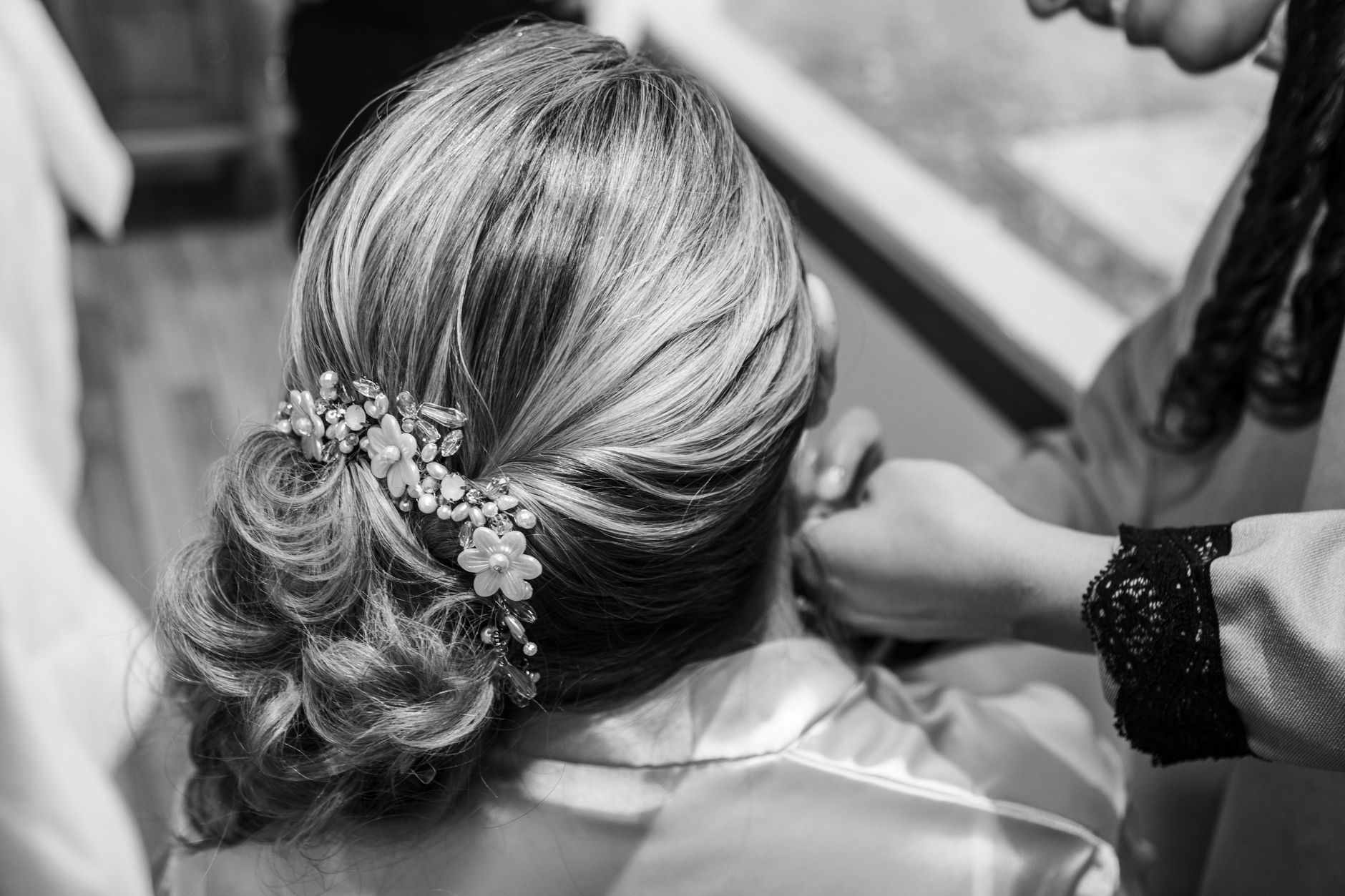
Evening is where things get more interesting. Against a bare neck or a low-cut back, a fine gold mesh net with a ponytail threading through it has the same visual logic as a delicate necklace. It sits at a point on the body that often goes unadorned, and the translucency means it shimmers rather than blocks. A growing number of stylists working on editorial and red carpet looks are beginning to treat the hair net as a back-of-head jewelry moment rather than a hair management tool.
The Wider Pattern in Sport-Sourced Accessories
This is not the first time niche sport equipment has fed into accessory design. Pelota Basque gloves have already found their way into avant-garde handwear drops, pulling the sport’s distinctive construction into wearable fashion objects. The polo tail net follows a similar logic – find the overlooked piece of kit, strip its function down to its physical form, and rebuild it in materials that suit the body wearing it rather than the activity requiring it.
What unites these movements is a preference for the obscure reference over the obvious one. Anyone can spot a polo collar or a riding boot. Almost no one outside the equestrian world immediately identifies a tail net. That gap – between the source and the recognition – is where the accessory earns its credibility with the fashion crowd that values knowing without being seen to explain. The net arrives on the runway or in an accessory drop as a shape, a texture, a proportion. The backstory is optional. Whether anyone traces it back to a polo pony’s tail probably doesn’t matter to the person wearing one to a gallery opening on a Tuesday night in September.