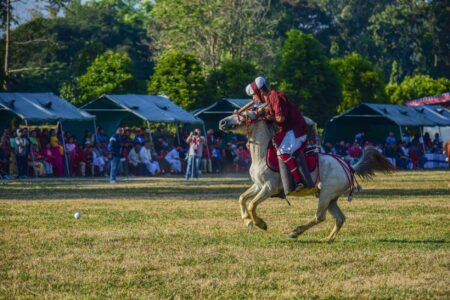


The Equestrian Hardware Making Its Way to High Fashion
Polo club saddle billets – the small, punched leather straps that secure a horse’s saddle girth – have spent decades in the tack room, valued strictly for function. They are tough, narrow, pre-punched with evenly spaced holes, and finished with a buckle built to hold under pressure. Those exact qualities are what make them useful somewhere entirely unexpected: as the closure system running down the front of structured corsets.
The crossover is happening quietly, mostly through independent designers and small-run collections experimenting with hardware sourced from equestrian suppliers rather than traditional garment notions.
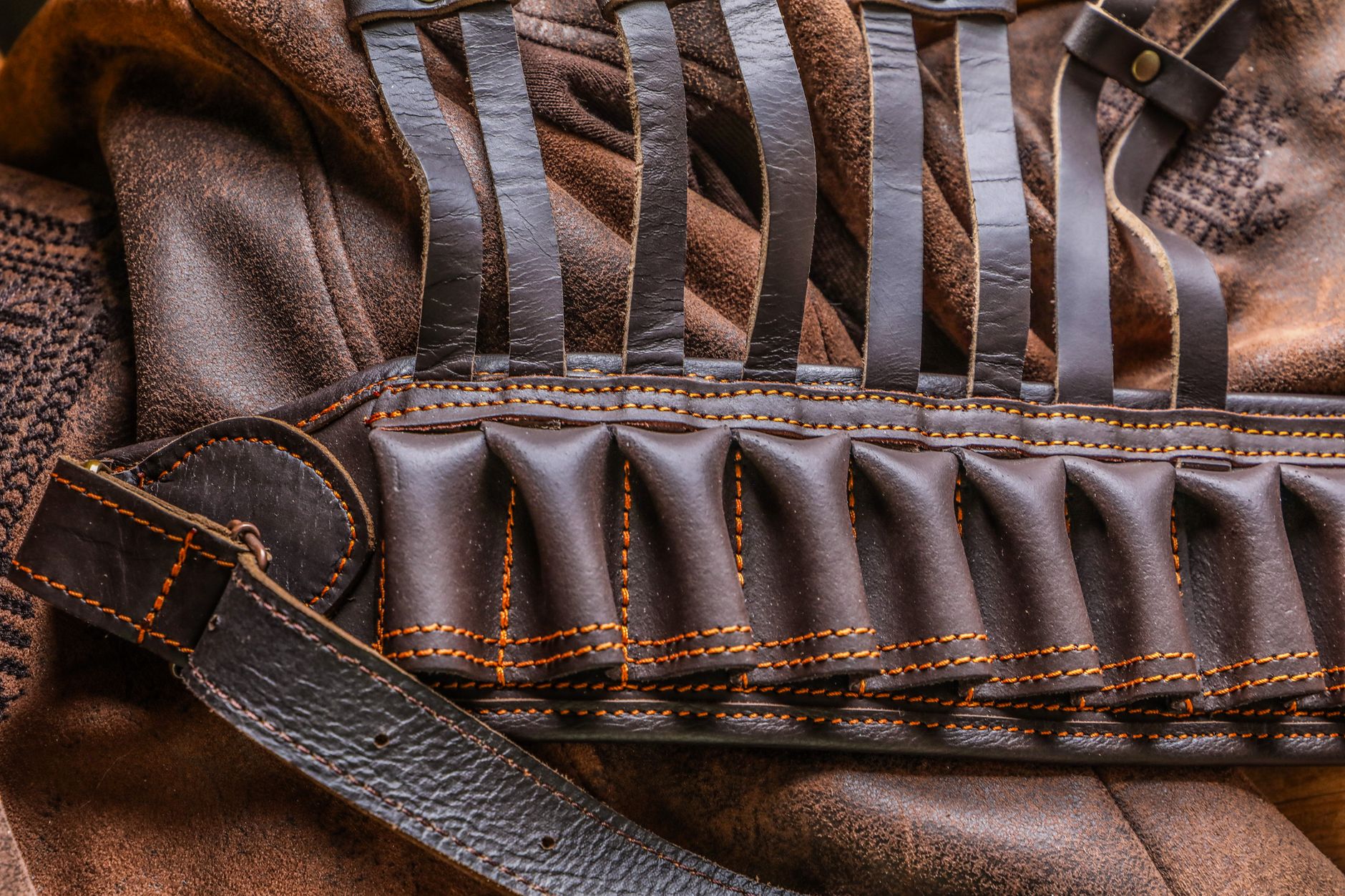
What sets saddle billet hardware apart from standard corset busk closures or decorative lacing is its weight and finish. Equestrian billets are typically made from bridle leather – a dense, waxy hide that holds its shape under stress – and fitted with solid brass or nickel-plated steel buckles. The resulting closure carries a visual authority that plastic boning channels and satin ribbons simply cannot match.
Why Saddle Hardware Works Where Fashion Hardware Falls Short
Standard corset construction relies on a busk – a two-piece steel closure that slots into hooks along the center front. It works, but it disappears under fabric or sits flush behind a panel. Saddle billets do the opposite: they sit proud of the garment, the buckle tongue visible, the strap pulled through with the same deliberate tension you would apply cinching a saddle before a ride. That exposed mechanical quality is exactly the aesthetic some designers are chasing right now.
The structured corset front – historically defined by rigid boning channels and clean vertical lines – benefits from billet hardware because the strap width, usually between three-quarters of an inch and one inch, aligns naturally with standard boning channel spacing. A front panel built with four or five billet closures reads like a grid of hardware, each buckle at a measured interval, creating a look that is disciplined and slightly industrial without losing the fitted silhouette corsetry is built on. The leather straps also allow for real-time adjustment in a way a busk cannot: each buckle can be tightened or loosened independently, giving a level of fit customization that is otherwise only achievable through lacing at the back.
Durability is the other factor pushing equestrian hardware into garment design. Bridle leather billets are graded to withstand the repeated stress of a horse’s movement, which makes the strain of a fitted corset closing trivially easy by comparison. Designers working with this hardware are not reinforcing it, not backing it with additional interfacing – they are using it as-is, straight from equestrian supply catalogs, because it was already over-engineered for the job.

How the Silhouette Is Being Built Around the Hardware
The design logic shifts when you start with billet hardware rather than adding it as decoration. A standard corset front panel is drafted to conceal its closure system; a billet-front corset is drafted to expose and frame it. That means wider center front panels, often in contrasting leather or heavy canvas, with the billet straps stitched flat across the face of the garment rather than slotted through hidden loops. The buckles become the visual centerpiece, stacked vertically like a column of punctuation marks down the torso.
Some versions use the billet straps asymmetrically – offsetting the buckle line slightly to one side, or running straps at a slight diagonal across the front panel. This breaks the rigid vertical symmetry associated with traditional corsetry and pulls the silhouette toward something that reads more like workwear or utility outerwear than period costume. Paired with wide-leg trousers or a full skirt, the hardware-front corset sits at an interesting midpoint between equestrian dressing and structured evening wear. Those interested in how structured lacings from other functional traditions are being incorporated into corset design might find the approach behind kendo do lace cross knots patterning corset lacings worth examining alongside this trend.
The color palette skews predictably toward natural bridle leather tones – tan, havana brown, dark mahogany – but a growing number of approaches are using black-dyed billet straps against pale or white structured bodices. The contrast reads sharply, the dark hardware against light fabric creating the kind of graphic tension that photographs well and translates clearly across a range of styling contexts. The buckle finish matters here: antique brass reads warmer and more heritage-adjacent, while polished nickel pushes the look into cleaner, more contemporary territory.
The Longer Question the Trend Is Raising
Saddle billets buckling corset fronts is a small technical shift with a larger implication: when designers stop treating equestrian hardware as an aesthetic reference and start using it as a literal construction material, the boundary between tack room and atelier becomes genuinely porous. The next question is whether ready-to-wear picks this up at scale or whether the sourcing constraints – equestrian suppliers work in units, not thousands – keep billet-front corsets in the territory of made-to-order and limited production, which may be exactly where they belong.
Frequently Asked Questions
What is a saddle billet and why is it being used on corsets?
A saddle billet is a punched leather strap used to secure a horse’s saddle girth. Its weight, durability, and buckle hardware make it a functional and visually bold alternative to traditional corset busk closures.
How does a billet-front corset differ from a standard corset?
Instead of a hidden busk closure, a billet-front corset uses exposed leather straps and buckles running vertically down the center front panel, allowing independent adjustment at each closure point.