

When Equestrian Detail Meets Suiting Precision
Collar stays have long been the invisible architecture of menswear – slim metal or plastic strips slipped into shirt collar points to keep them flat, sharp, and in place. They work quietly, seen only by the person wearing them, and for decades that invisibility was considered a virtue. But a new detail is pulling focus: the polo club saddle cantle binding, a strip of leather or contrast fabric borrowed directly from equestrian saddle construction, now appearing at collar points, placket edges, and even interior collar bands on tailored shirts and sport coats.
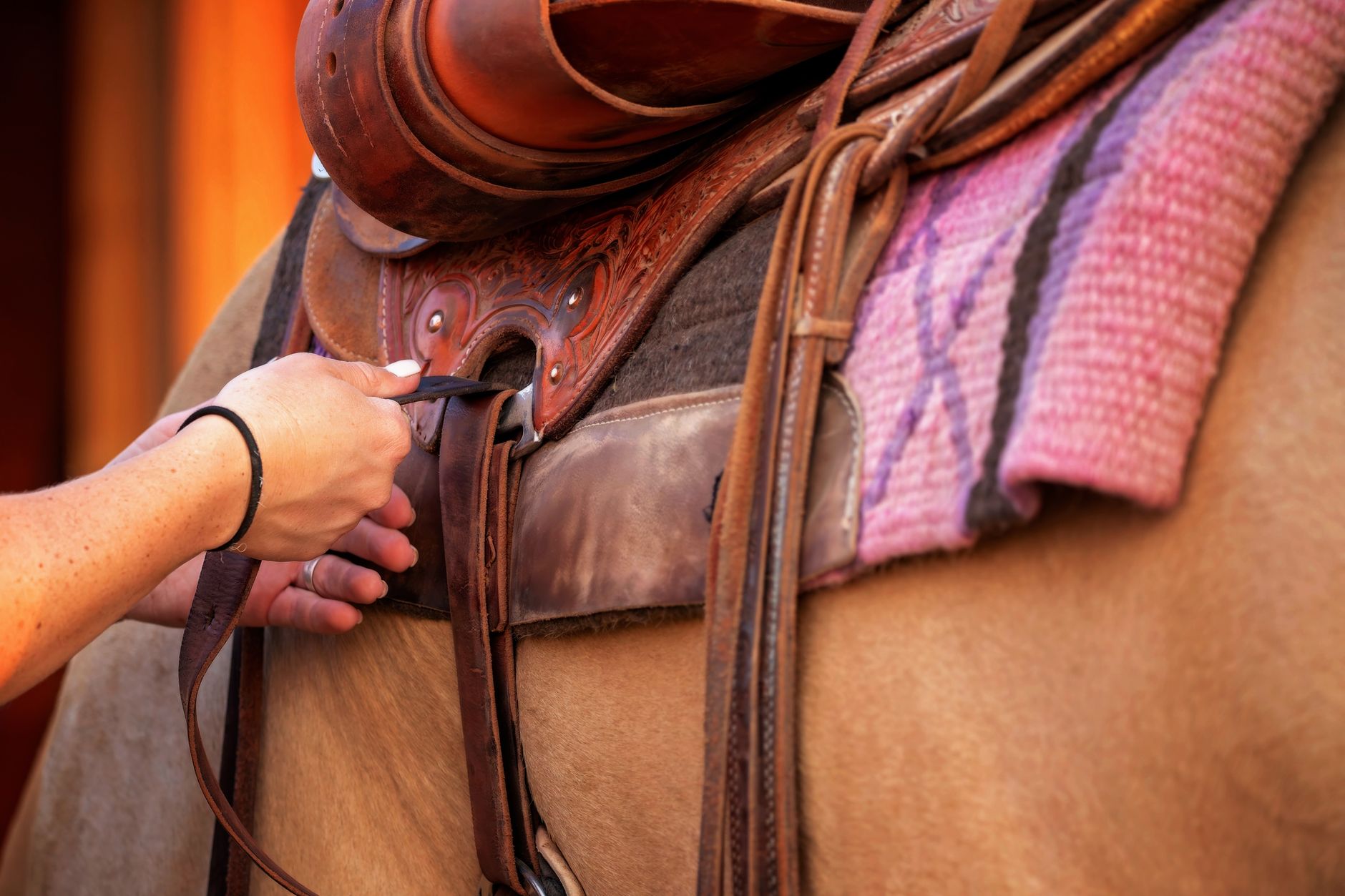
The cantle is the raised rear curve of a saddle, and its binding – traditionally a folded strip of leather stitched tight along the edge – exists for structural reinforcement and clean finish. Craftsmen have used this technique for centuries in saddlery. What is happening now is that tailors and shirtmakers are pulling that binding approach into collar construction, treating the collar point and collar band as surfaces worth finishing with the same deliberate care as a saddle’s edge.
It is a small move with a large effect on how a collar reads.

Why the Structured Collar Stay Is Losing Ground
Collar stays solve a functional problem: collar points curl without them. The standard solution has been metal bars, magnetic sets, or the increasingly popular sewn-in stays that hide inside collar points like internal rods. These approaches are effective but entirely invisible. The collar looks pressed. The stay disappears. The result is a clean shirt, but one that communicates nothing beyond neatness.
The saddle cantle binding works differently because it is visible by design. A strip of tan or dark bridle leather folded over the edge of a collar point, stitched with a tight saddle stitch in contrasting thread, does not hide the structural intention – it announces it. This transparency about construction is a growing value in tailored menswear. Garments that show how they are held together, that make the engineering visible, carry a different authority than garments that conceal every seam and stay. The polo and equestrian world has always operated on this logic: good tack is beautiful precisely because its function is clear from the craftsmanship on its surface.
A growing number of shirtmakers and bespoke tailors are experimenting with this binding at the collar band itself, not just the collar points. When the interior collar band – the strip of fabric that sits against the neck – is finished with a leather or grosgrain binding in the saddle cantle style, the shirt takes on a quality closer to saddlery than conventional shirtmaking. The collar stay becomes redundant because the structure is built into the surface itself. No hidden rod needed when the binding holds the shape.
The Polo World’s Influence on Tailoring Detail
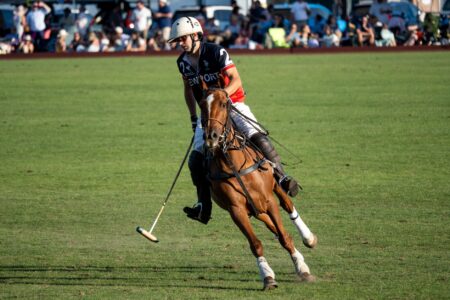
Polo club dress codes have always occupied a specific zone of menswear formality – not black tie, not casual, but something that rewards visible quality and demands a certain neatness without stiffness. The saddle, as the central object of the sport, has influenced polo shirting and tailoring in ways that go well beyond the obvious: the reinforced placket, the rubber button, the longer shirt tail designed to stay tucked during play. The cantle binding is simply the latest technical borrowing from equestrian equipment into clothing construction.
What makes it relevant to contemporary suiting is the texture it introduces. Tailored shirts and sport coats exist in a narrow palette of surface options – poplin, twill, herringbone, perhaps a subtle check. Leather or bridle-weight canvas binding at the collar introduces a material contrast that pulls the eye to the neckline, the first place attention lands when looking at a dressed man. This is the same logic behind the deliberate detailing of cuff hardware – small contrasts at the periphery of a garment create the impression of considered construction throughout.
Some makers are keeping the binding in tan or cognac leather against white cotton, the color contrast deliberate and clean. Others are matching the binding to the shirt fabric itself, using a self-fabric cantle strip for a subtler tonal version that reads more as texture than contrast. Both approaches remove the collar stay from the conversation entirely – because a collar finished in this way does not need one.

The Detail That Earns Its Place
Collar stays will not disappear from menswear – they are too practical and too cheap to produce. But the saddle cantle binding has introduced a competing logic: that collar structure worth having is collar structure worth seeing, and that the polo world’s century-old approach to finishing leather edges has direct application to the collar bands and points of tailored shirts. The stay hides its work. The binding owns it.
Frequently Asked Questions
What is a saddle cantle binding in fashion?
It is a strip of leather or contrast fabric, borrowed from equestrian saddle construction, stitched along collar points or bands to add visible structure and finish to tailored shirts.
Do collar stays still serve a purpose if a shirt has cantle binding?
Not necessarily. When cantle binding is applied to the collar band and points, it provides enough structural hold that traditional metal or sewn-in collar stays become redundant.