


The Quiet Detail Rewriting Belt Design
Polo club stirrup leather keeper slots – the narrow, precisely punched openings on a belt’s keeper tab that once existed solely to thread through a stirrup iron’s leather strap – are showing up far outside the equestrian context they were built for. What began as a functional solution to a very specific problem in riding gear has become an organizational logic that minimalist belt designers are quietly borrowing, refining, and in some cases making the entire visual argument of a tab.
The migration makes a certain kind of sense. Stirrup keeper slots are inherently spare – just a clean cut in leather, defined by the tension of material around it rather than added hardware. That negative space reads as intention. When applied to a belt tab designed for everyday wear, the slot becomes both a structural anchor and an aesthetic choice, holding the belt’s free end flat without the need for a loop, a stud, or a sewn-down panel. The result is a tab that lies cleaner, looks deliberate, and doesn’t bulge under a tucked shirt.
Where the Stirrup Slot Comes From
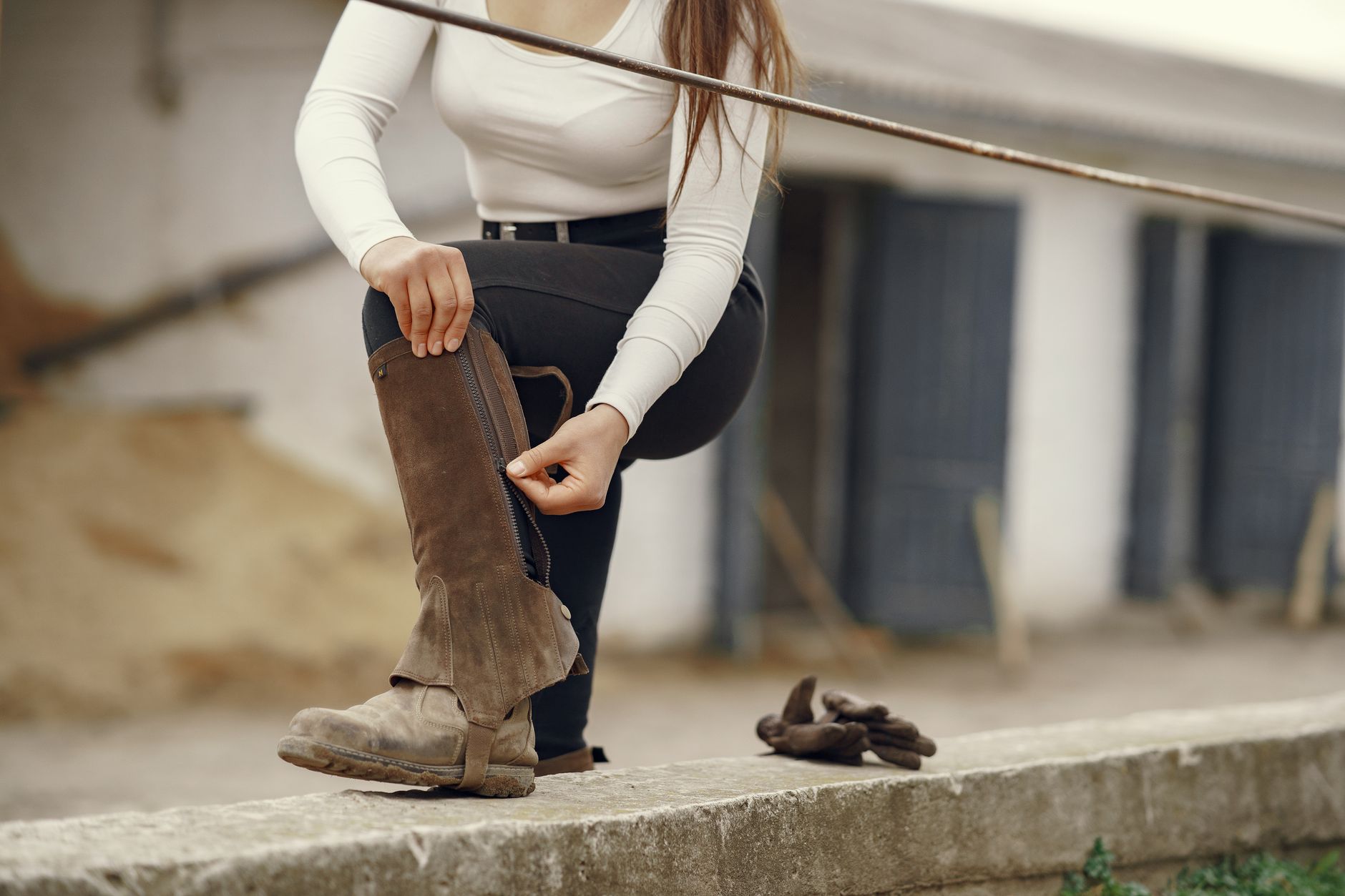
In traditional polo and equestrian gear, the keeper slot serves a mechanical purpose with very little room for error. A stirrup leather – the strap connecting the stirrup iron to the saddle – passes through a precisely sized aperture in a secondary keeper tab, keeping the main strap from twisting or sliding under the weight and motion of a rider. The slot’s dimensions are calibrated: too wide and the leather shifts; too narrow and the strap strains the material. The precision isn’t decorative. It’s load-bearing.
That engineering heritage gives the detail a credibility that purely ornamental belt hardware lacks. When a designer lifts the slot concept and places it on a minimalist belt tab, they’re borrowing not just a visual form but an implicit logic of fit and function. The slot holds something. It justifies its own existence. That’s a different proposition than, say, a decorative rivet or a stitched contrast panel that exists to be seen.
Equestrian leather goods have long fed into broader fashion, particularly in belts, bags, and riding boot details that moved from stable to street across the twentieth century. The keeper slot is a later, quieter transfer – less visible than a snaffle bit buckle or a stirrup-shaped clasp, more embedded in the construction logic of the piece itself.
Why Minimalism Needed This Specific Fix
The minimalist belt has an unresolved problem that its own aesthetic makes harder to solve. Strip away the hardware, the logo plaque, the layered keeper loops, and you’re left with a free end of leather that needs to go somewhere. Traditional solutions – a fixed loop sewn close to the buckle, or a sliding keeper ring – add visual weight or mechanical complexity. Both work against the clean-line argument that minimalism is built on.
A keeper slot cut directly into the tab itself eliminates the loop without eliminating the function. The free end of the belt threads through the slot and stays. There’s no additional piece of leather, no metal ring, no sewn channel to create bulk at the hip. The tab holds everything, and the slot is the only visible evidence of how it does that.
How the Detail Is Being Used Now
Small leather goods labels working in bridle leather and vegetable-tanned hides are among the first to apply the slot logic to everyday belts. The appeal is partly material – bridle leather, which is the same category used in equestrian applications, has the stiffness and density to make a clean slot work without the edges collapsing or stretching over time. A slot cut in softer chrome-tanned leather reads differently, tending to look imprecise after a few months of wear. The equestrian detail only fully translates when the material shares the equestrian standard.
The proportions being used have also shifted from their original specifications. A stirrup keeper slot in riding gear is sized to pass a specific strap width – typically the width of the stirrup leather itself. Belt designers adapting the concept are working with narrower slots, sometimes just wide enough to pass the belt’s own thickness rather than a full strap. This creates a tighter, flatter hold and a slot that reads as barely there – a line in the leather rather than an opening.
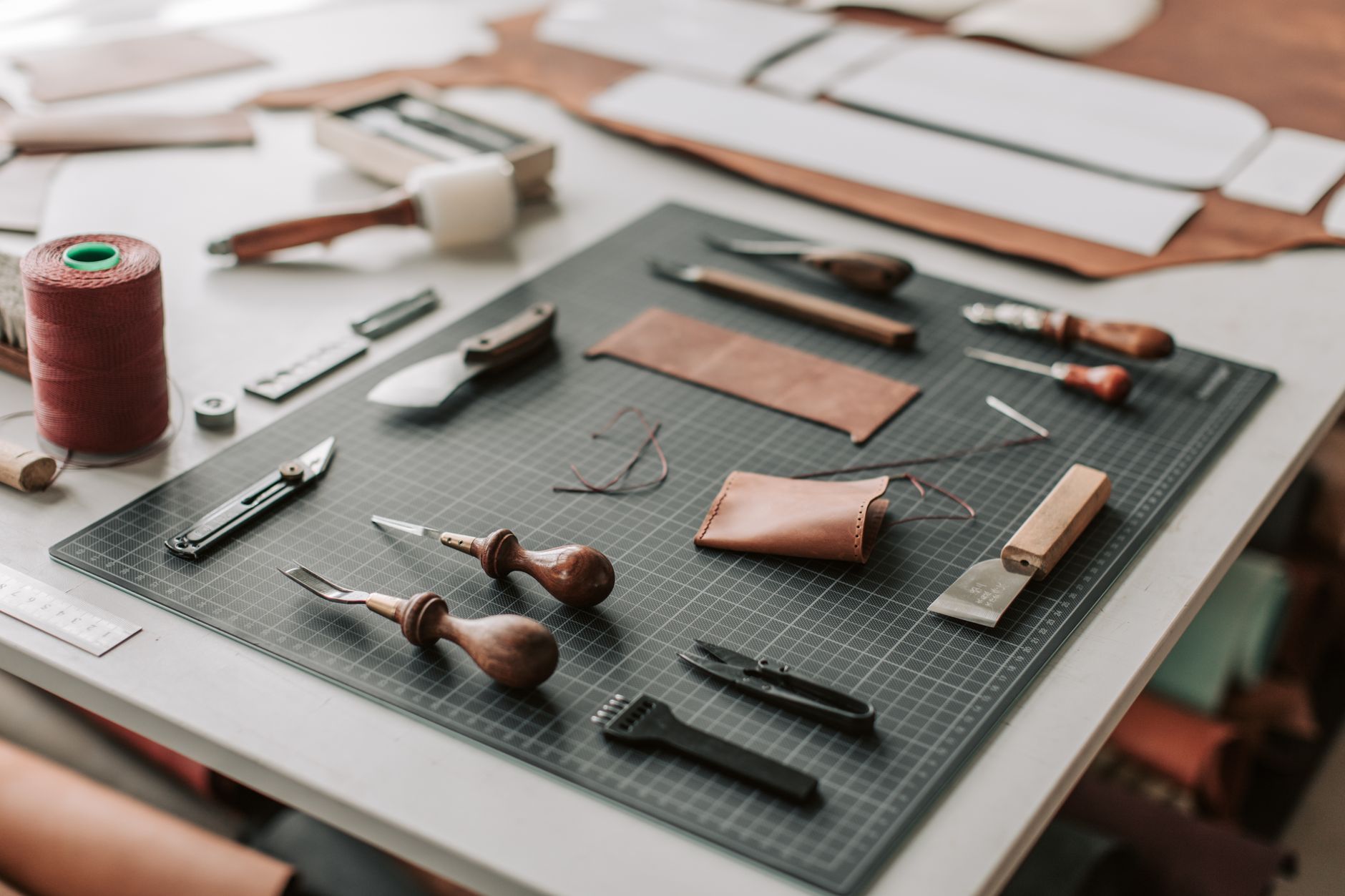
The construction requirement is also pushing designers toward single-piece tab construction rather than the laminated or folded tabs common in mass-market belts. A slot cut through a single thickness of quality leather is structurally sound and visually clean. Cut through a laminated tab, and the slot edges can delaminate or show the interior layers. The stirrup slot detail, in other words, is self-selecting for a certain level of construction quality. Brands that adopt it without the corresponding material investment tend to produce tabs that look right for about six months and then start to look wrong.
There’s a secondary effect worth watching: the slot’s placement on the tab changes how the entire belt reads when worn. Placed close to the end of the tab, the slot pulls the free leather end tight and shortens the visible taper, giving the belt a more compact profile when worn under a blazer. Placed further back, it allows a longer free end to pass through and rest against the belt body, creating a slightly longer horizontal line at the waist. Designers who understand the geometry are using slot placement as quietly as they use tab length – as a tool for controlling proportion without adding anything visible.
Frequently Asked Questions
What is a stirrup leather keeper slot?
It is a precisely cut opening in a leather keeper tab, originally used in equestrian gear to hold stirrup straps flat and prevent twisting during riding.
Why are minimalist belt designers using keeper slots?
The slot holds a belt’s free end without adding hardware, loops, or bulk – keeping the tab clean and flat, which suits minimalist construction goals.