

The Quiet Return of Equestrian Hardware
Saddle cantle dees – the small, D-shaped metal rings mounted at the rear of a polo saddle to secure straps, bags, and equipment – have spent over a century in near-total obscurity. Their job was purely functional: anchor gear to the back of a saddle during fast, physical play. Nobody photographed them. Nobody named them. They were hardware in the most utilitarian sense of the word.
That anonymity is ending.
A growing number of belt designers are lifting this specific hardware reference directly from polo saddlery and applying it to structured back belt construction – those belts with architectural rear panels, stiffened waistbands, or deliberate back-facing detail work. The cantle dee, with its flat-sided D-profile, its weight, and its association with precision equestrian craft, has become a quiet organizing principle for a strand of belt hardware that prioritizes structural intent over decorative flash.
Why the Cantle Dee Translates So Well to Belt Hardware
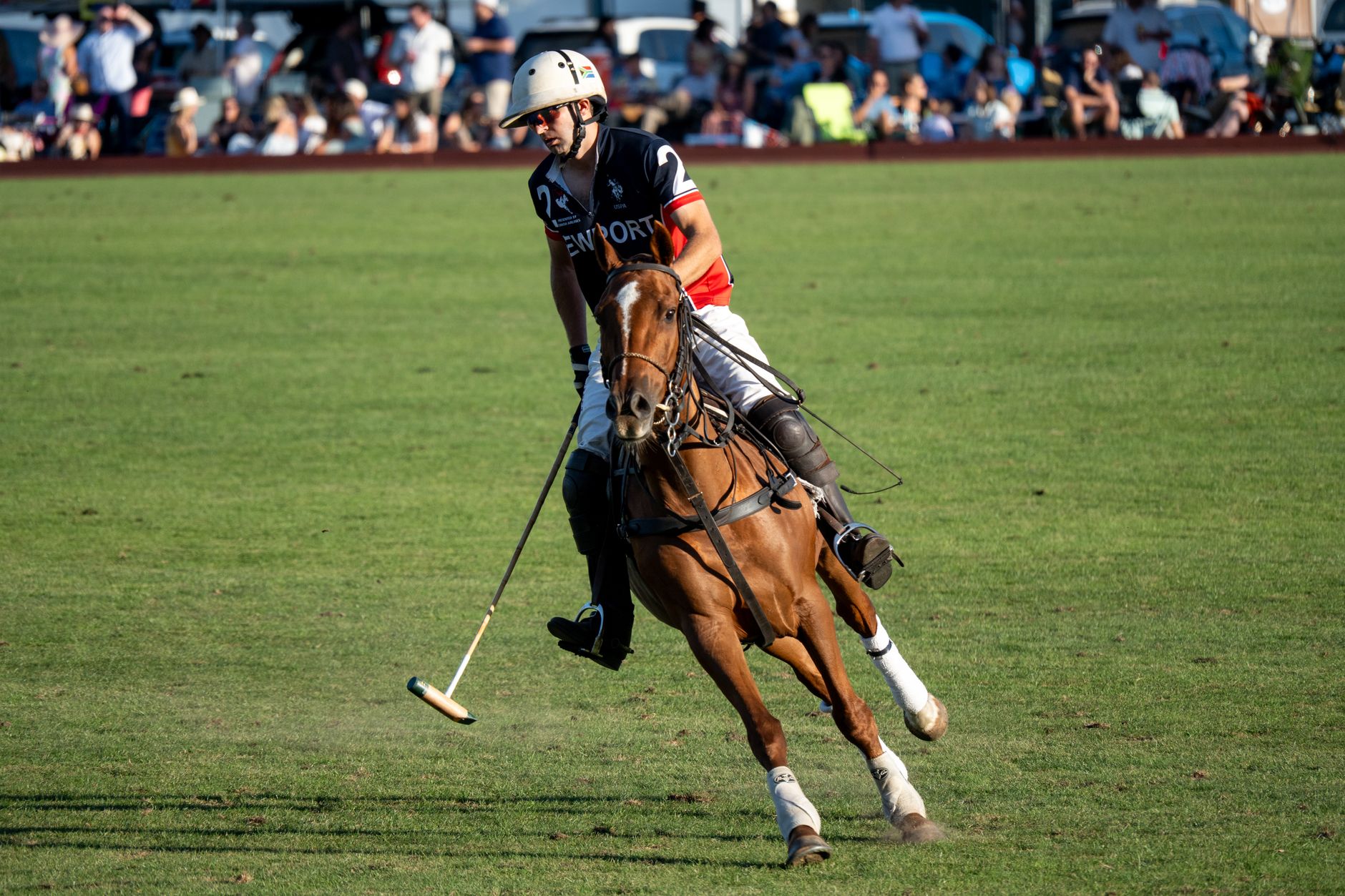
The geometry matters here. A standard D-ring has a rounded back edge and sits comfortably against flat fabric. The cantle dee is slightly different – it carries a flatter, more angular silhouette developed specifically to lie flush against curved leather under tension. When that shape moves from saddle to belt, particularly on structured back panels that need to hold their form against the body, it performs with the same logic. The flat edge distributes pressure evenly. The angular profile resists rotation. The weight of the metal – typically solid brass or stainless steel in original saddlery applications – adds rigidity to the surrounding leather without requiring additional internal boning or stiffening.
Polo club saddlery has always operated at a different standard than general equestrian gear. The sport demands equipment that survives repeated lateral stress, contact with other horses, and rapid acceleration. Hardware used in that context is over-engineered relative to what most fashion applications require, which is exactly what makes it attractive to belt makers working in structured silhouettes. Borrowing from polo saddlery means borrowing a margin of engineering that fashion rarely builds in on its own terms.
The back placement is the specific detail driving current interest. Belts with rear hardware have existed for decades, mostly in workwear and utility contexts. What’s different now is the deliberate framing of the back panel as a design surface – one that faces outward when a jacket is removed, when someone turns to leave a room, or when the belt is worn with cropped or tucked-in pieces. The cantle dee anchors that surface visually. It gives the eye something structured and purposeful to land on, without the ornamentation of a traditional back buckle or the informality of a plain loop.
How Designers Are Incorporating the Reference
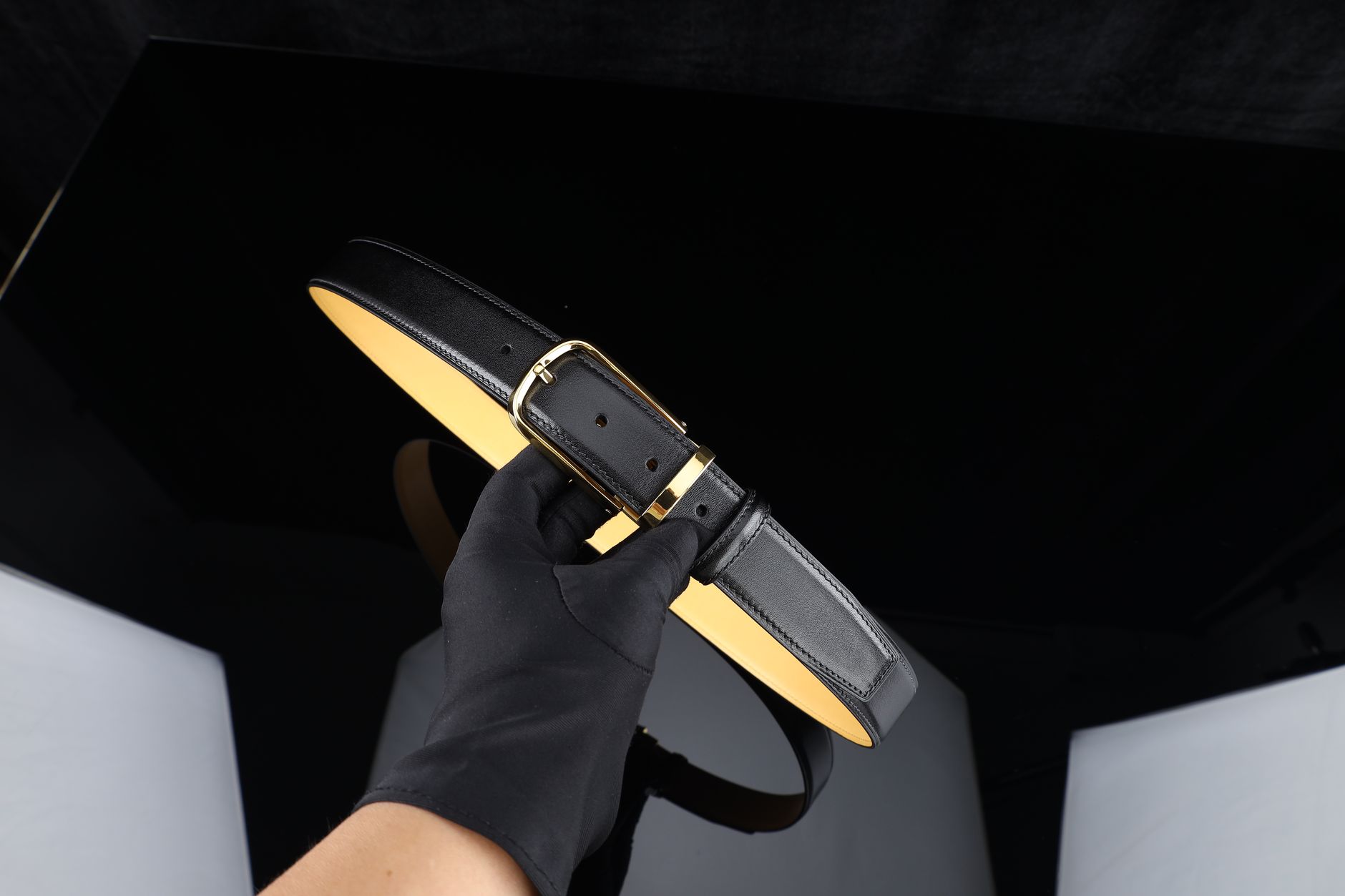
The translation from saddle hardware to belt hardware rarely involves copying a cantle dee exactly. Instead, designers are working with the proportions and material logic of the original. That means solid-cast metal rings rather than bent wire, a D-profile wider than it is tall, and placement at the center back seam or flanking it symmetrically at either side of the rear panel. Some versions sit proud of the leather surface on small posts, mimicking how a cantle dee attaches to the saddle’s rear arch. Others are set flush, integrated into the seam itself, so the ring face is the only element visible from the exterior.
The leather work surrounding these rings is where the polo club reference becomes most legible. Saddle cantle construction involves layered panels stitched under tension to create a rigid rear rise – the curved back wall of the saddle seat. Belt makers referencing this approach are building structured back panels with similar layered construction: a visible top layer of fine leather over a stiffer middle panel, all stitched with a visible saddle stitch that reads as intentional rather than decorative. The stitching patterns echo those found in bespoke British and Argentine polo saddlery, where the stitch is a structural element as much as an aesthetic one.
Color choices reinforce the reference. The current pull is toward the warm tones that dominate polo saddlery – cognac, havana tan, a particular reddish mahogany that develops on well-oiled British bridle leather. Against those grounds, the natural brass of a cantle dee reads as exactly correct. It doesn’t announce itself as fashion hardware. It reads as something that belongs there, which is precisely the effect structured belt designers are chasing right now.
What This Means for Structured Belt Design Going Forward
Structured back belt hardware has been searching for a coherent visual language for several seasons. Corset-influenced belts brought boning and lacing to the conversation. Utility belts brought D-rings in a different register – nylon webbing, matte black metal, associations with tactical gear rather than equestrian tradition. The cantle dee reference resolves a tension that neither of those approaches fully addressed: how to make back belt hardware feel both load-bearing and refined, functional and specific to a craft lineage.
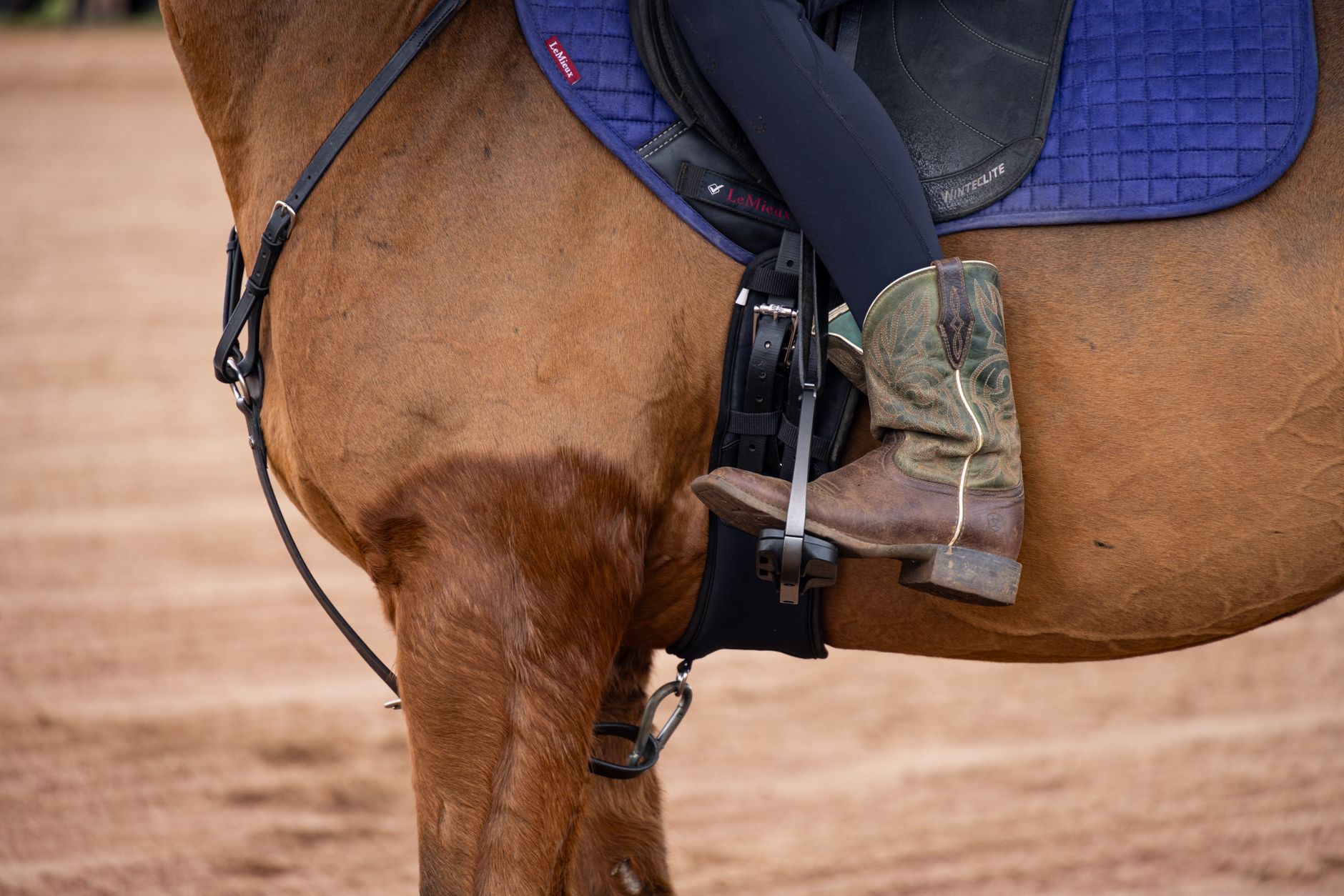
The polo club context adds something that pure utility hardware cannot – a social register. Polo saddlery is associated with a very particular world of British and Argentine club life, bespoke craftsmanship, and equipment maintained across generations. Pulling that hardware reference into contemporary belt design doesn’t require the wearer to know anything about polo. The quality of the metal, the weight of the construction, and the specificity of the D-profile communicate the reference on their own terms.
This kind of material borrowing – from sport-specific equipment into fashion hardware – tends to move in one direction. Once a reference enters structured belt design at the level of construction logic rather than surface decoration, it becomes harder to dislodge. The cantle dee isn’t here as an accent. It’s doing structural work, which means the belts built around it are already committing to a standard that casual hardware choices cannot match.