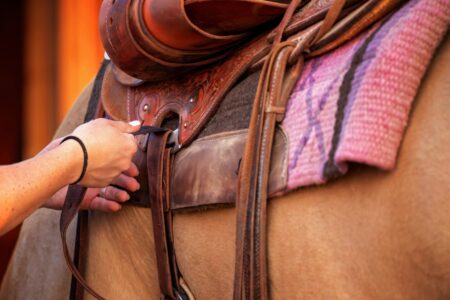


A technical detail borrowed from equestrian sport is making its way into the vocabulary of tailored fashion – and it’s doing so through one of the most overlooked construction zones on a garment: the cuff edge. Polo club saddle flap billet loop stitching, the reinforced bar-tack and looped thread system used to secure leather billets on riding saddles, is being adapted by a growing number of tailors and ready-to-wear designers as a decorative and structural motif along jacket and shirt cuff hems.
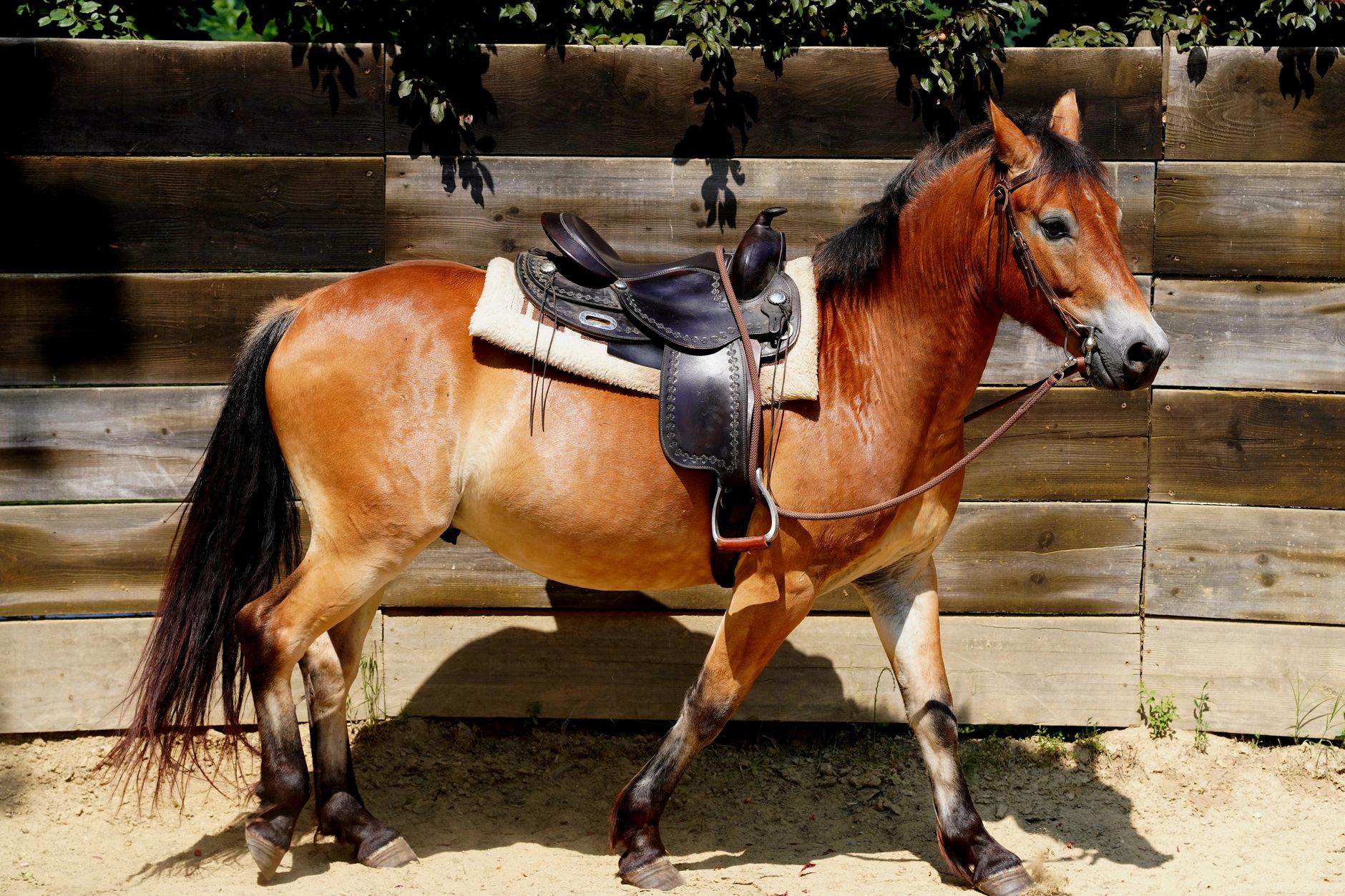
Where the Equestrian Detail Comes From
On a polo saddle, the billet loop is the hardworking junction between the saddle flap and the girth straps. The stitching there is dense, layered, and deliberately visible – built to withstand the torque of a rider leaning at full gallop. It’s functional architecture, not decoration. But like many things borrowed from sport, the visual language of that construction carries weight even when removed from its original context.
The specific pattern involves a rectangular bar-tack anchored by tight parallel rows of thread, often with a looped return stitch at each corner. When translated to fabric – particularly the folded edge of a tailored cuff – the effect is a ribbed, slightly raised horizontal band that reads as intentional structure rather than finishing. The stitching adds physical rigidity to the cuff edge while simultaneously functioning as an embellishment.
Tailoring has always had a complicated relationship with visible construction. Pick stitching along lapels, surgeon’s cuffs on jacket sleeves, and working buttonholes are all examples of functional details that became status signals over time. The billet loop stitch follows the same logic. It tells you something about how seriously the maker thought about the cuff’s long-term integrity – and it announces that seriousness visibly rather than hiding it in the lining.
This particular detail travels well across fabric weights. On a heavy wool hopsack, the dense thread creates a tactile contrast that reads as architectural. On a lighter cotton poplin or Oxford cloth shirting, the same stitching produces a finer ribbed texture closer to a pintuck, which is why the technique is showing up on dress shirts as readily as on structured blazers.
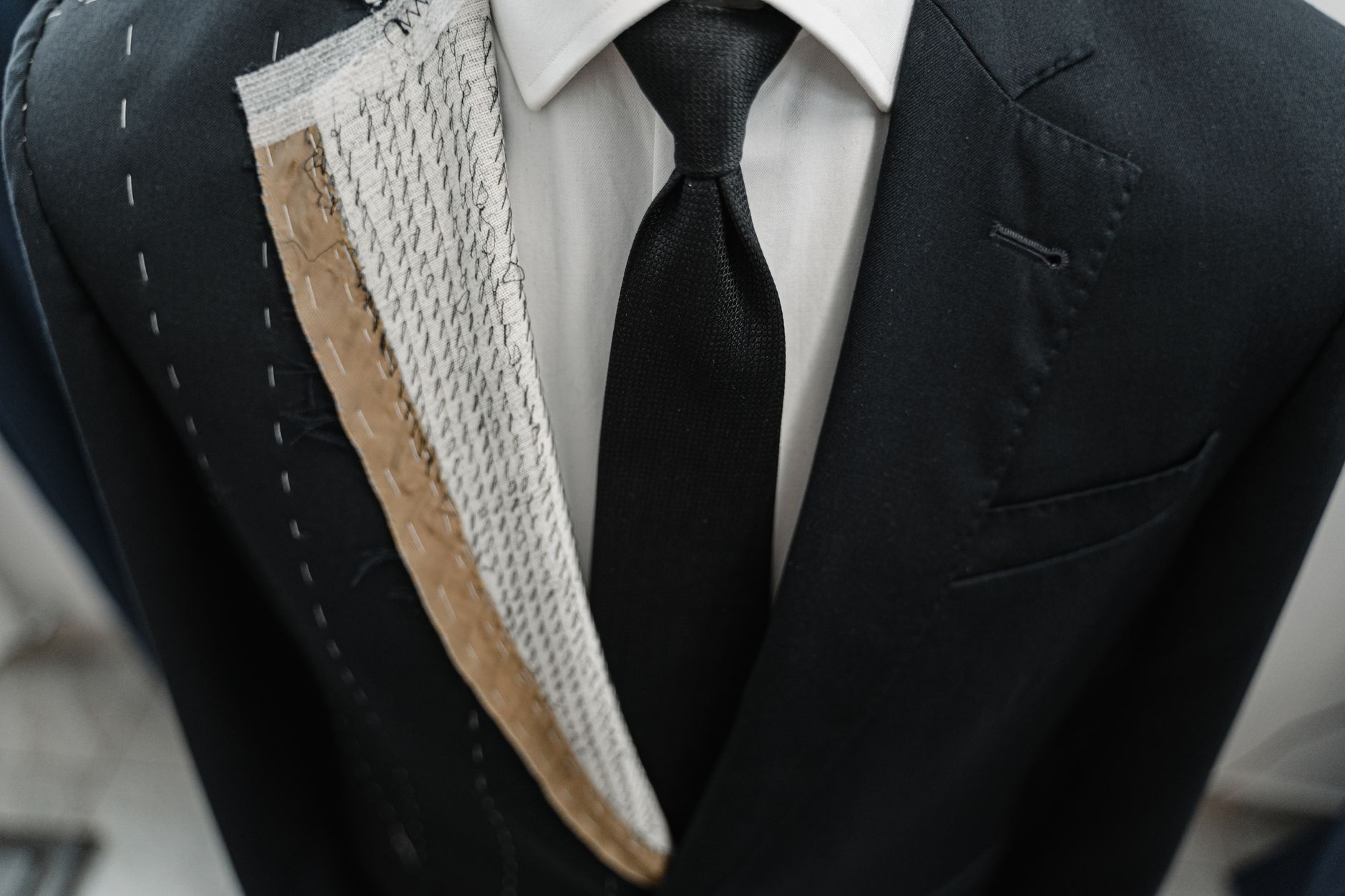
How Designers Are Translating the Stitch
The adaptation isn’t literal. No designer is placing actual leather billet loops on a dress shirt cuff. What’s being borrowed is the visual grammar of the stitch pattern itself – the tight horizontal ribbing, the rectangular anchor points, the deliberate spacing that gives the edge a corseted quality without adding bulk in the traditional padded sense.
Several tailoring houses working in the bespoke and made-to-measure space have started offering this treatment as a cuff finishing option, particularly for jackets where the customer wants to move away from the standard blind-stitched or turned-and-pressed hem. The result sits somewhere between a clean machine finish and the ornate pick-stitching of a Savile Row suit – it has craft without theatrical excess.
On the ready-to-wear side, the technique appears most noticeably in structured shirt-jackets and hybrid suiting pieces where the cuff is meant to be seen rather than hidden under a coat sleeve. A shirt-jacket worn open over a T-shirt turns the cuff into a focal point, and the ribbed billet loop edge gives that focal point a story. The texture catches light differently than a standard folded hem, which is ultimately what makes it photograph well and drive interest in the detail at retail level.
There’s also a color play happening. Contrasting thread – deep burgundy on navy, cream on charcoal, tan on white – amplifies the equestrian reference without requiring any additional hardware or embellishment. When the thread matches the fabric, the effect is subtle and architectural. When it contrasts, the cuff reads almost like a stripe or band, which some designers are treating as a replacement for traditional French cuff links. The cuff becomes its own punctuation mark.
This sits in interesting proximity to other sport-derived tailoring details currently circulating. The polo saddle’s stirrup bar slot construction has already influenced how some designers approach minimalist shoe strap hardware, suggesting that equestrian construction language is finding a broader audience in structured fashion across multiple categories at once.
Why the Cuff Is the Right Place for This Detail
The cuff occupies a specific kind of real estate on a tailored garment. It’s the last thing you see before the hand, the detail that frames gesture and movement. Fashion designers have understood this for decades – it’s why cuff buttons became collector’s territory, why velvet cuff trim on evening wear carries such immediate formality, and why the working buttonhole signals hand-craftsmanship so effectively. Adding a structural stitch borrowed from saddle construction to that edge doesn’t overcrowd the space. The ribbing is linear, controlled, and horizontal, which means it follows the natural geometry of the cuff rather than competing with it.

The deeper question is whether this detail has staying power or whether it’s a one-season reference that tailors will quietly retire once the equestrian mood passes. The answer may depend on whether the stitch gets standardized – whether it becomes a named option in made-to-measure configurators and a recognized finishing code in pattern instructions. Details that acquire a name tend to survive. Details that remain unnamed get absorbed into “custom finishing” and disappear. The billet loop cuff stitch is still in that unnamed zone, which is exactly why the next two years will determine whether it becomes tailoring vocabulary or a footnote.
Frequently Asked Questions
What is billet loop stitching in tailoring?
It’s a dense, ribbed stitch pattern adapted from polo saddle construction, used to reinforce and decorate the folded edge of jacket or shirt cuffs.
Where does billet loop stitching appear on clothing?
It typically appears along the hem of tailored jacket cuffs and dress shirt cuffs, either in matching or contrasting thread for decorative effect.