

The Detail That Rides Into Ready-to-Wear
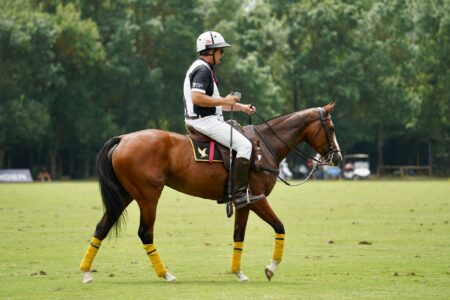
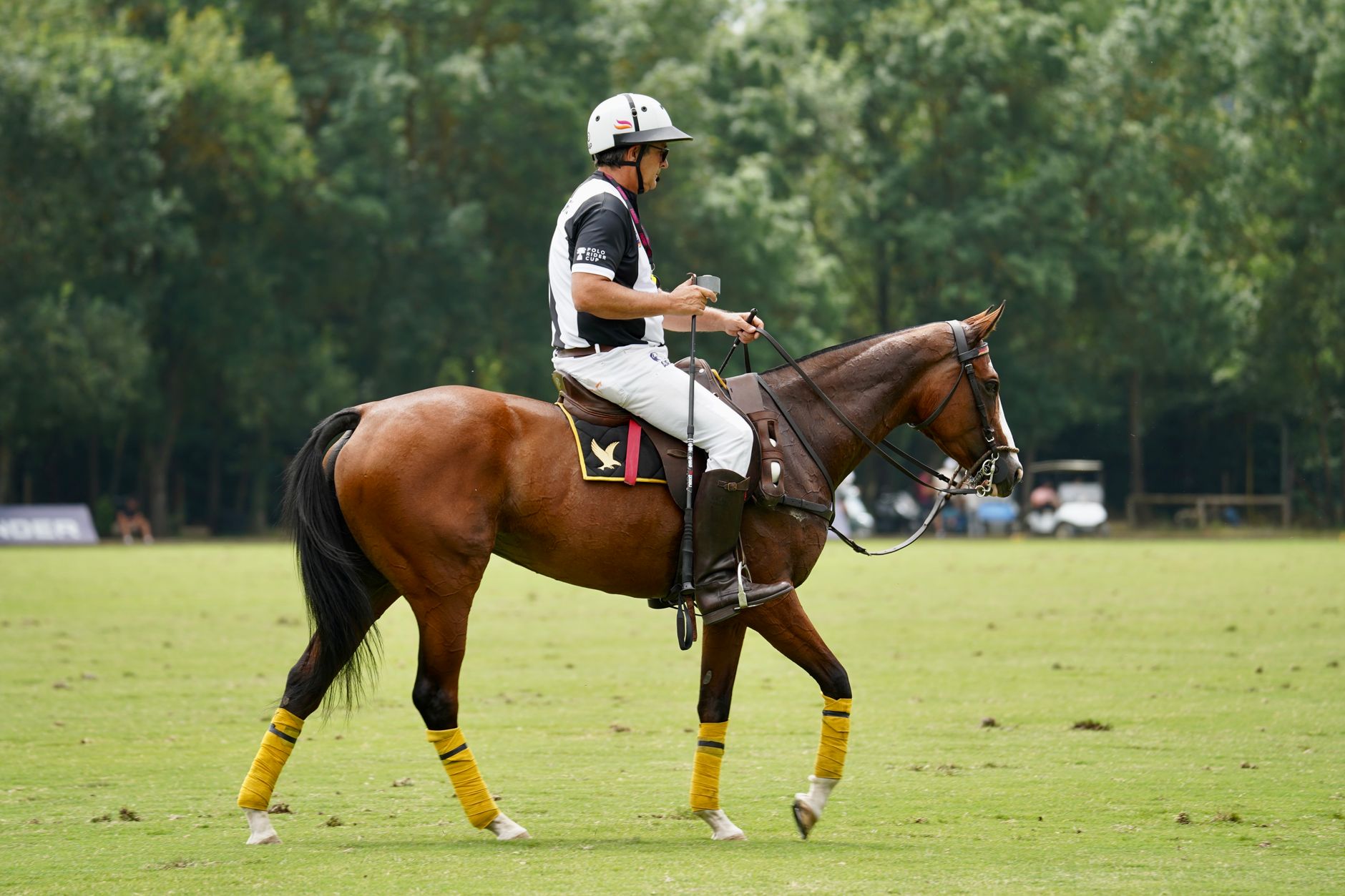
Polo breeches were never designed for the runway. They were built for the saddle – structured at the inner thigh, reinforced at the knee, stitched with a precision that had nothing to do with aesthetics and everything to do with surviving a full chukka at speed. That functional vocabulary is now showing up in structured trousers far removed from any equestrian context, and the translation is more literal than most trend cycles allow.
The saddle knee roll – a padded, stitched panel traditionally running along the inner leg of riding breeches – has become a quiet reference point for designers working with tailored trouser silhouettes. Not as costume, and not as obvious equestrian branding, but as a structural technique that changes how fabric behaves across the thigh and knee. The result is a trouser that holds its shape with the kind of authority that conventional tailoring struggles to achieve at that specific point of the body.
What the Knee Roll Actually Does
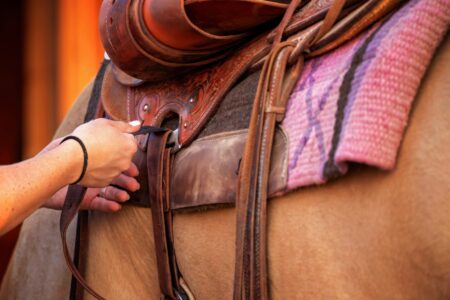
In traditional polo breeches, the knee roll is a raised, curved pad stitched to the inner knee panel. Its purpose is contact grip – keeping the rider’s leg locked against the saddle without requiring constant muscular tension. The stitching that holds it in place runs in concentric or parallel lines, creating a topographic surface that is dense, directional, and load-bearing. None of that changes when the technique moves off the horse. What does change is what the structure is asked to accomplish.
In a trouser context, the same stitching creates a controlled tension across the inner thigh panel. Fabric that would otherwise pull, sag, or crease at the knee instead holds a clean, defined line. The padded roll, when scaled down or flattened into the seam allowance, functions more like boning in a bodice than padding in an athletic garment – it’s there to resist movement, not enable it. That resistance is exactly what gives structured trousers their sculptural quality through the leg.
The stitching pattern itself carries most of the visual weight. Parallel lines running horizontally across the inner knee read as intentional texture rather than reinforcement. Diagonal stitching – common in competition breeches designed for lateral movement – creates a tension pattern that draws the eye along the thigh rather than across it, which has a lengthening effect that standard inseam construction cannot replicate. This is a detail that works photographically, which partly explains why it keeps appearing in editorial contexts.
Where It Shows Up Now
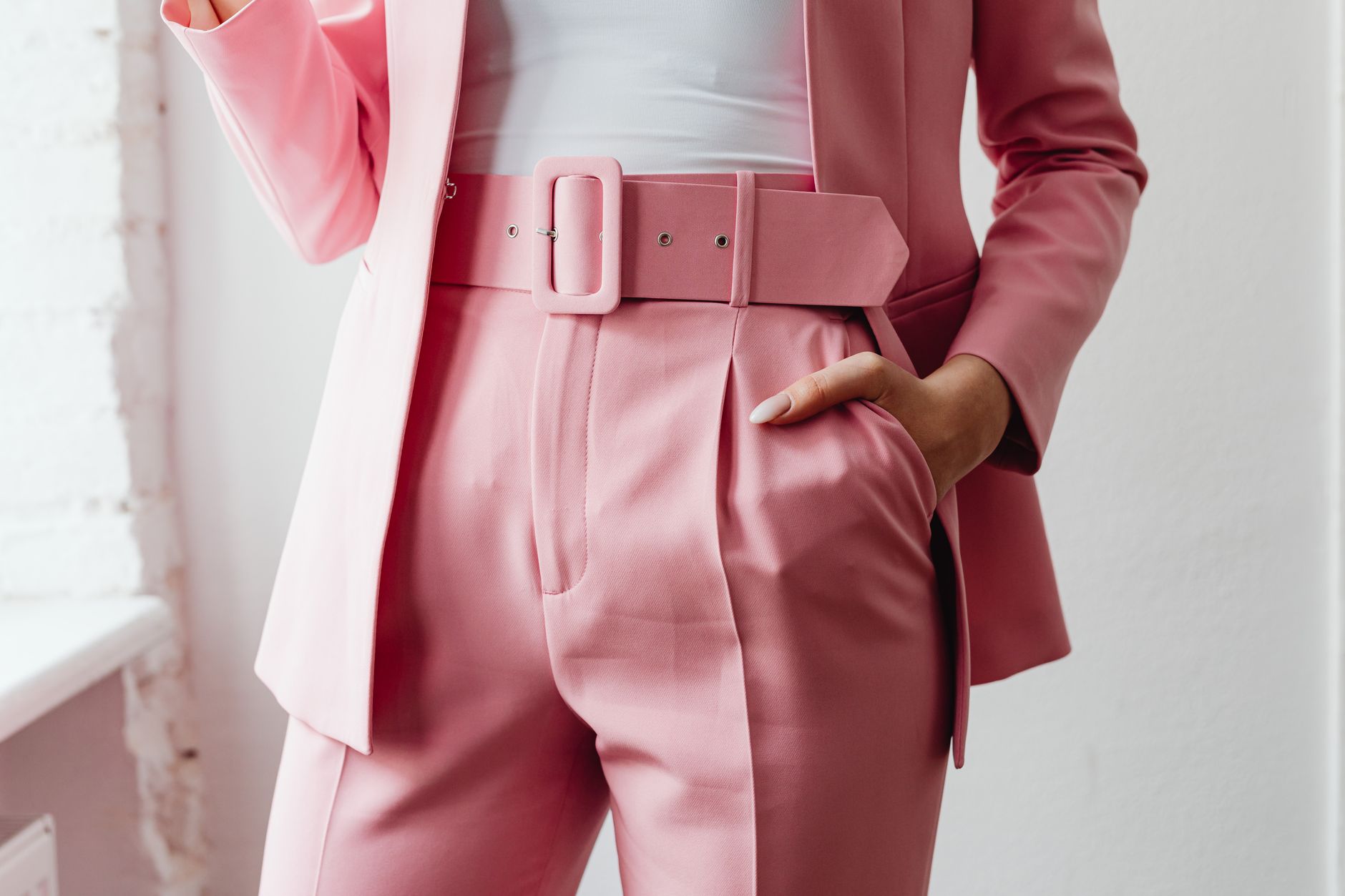
The influence is most visible in tailored wide-leg trousers and what the industry loosely calls “equestrian suiting” – a category that has been circulating in collections for several seasons. But the knee roll reference is specifically distinct from the broader riding aesthetic, which tends to lean on color (tan, ivory, tobacco) and silhouette (tapered below the knee, flared at the hip). The stitching detail appears even in trousers that have no other equestrian cues – dark wool, relaxed cuts, urban styling – because the technique reads as craft rather than costume.
Denim has also absorbed the reference. Some premium denim labels experimenting with structured leg construction have incorporated inner-thigh stitching that mirrors the polo breech panel without using any stretch fabric or performance material. The effect on denim is more graphic – the thread contrast and the stiffness of the base fabric make the stitching lines more pronounced – but the structural logic is identical. The inner thigh panel becomes a zone of intentional density rather than a wear point waiting to fail.
The Craft Behind the Construction
What separates a genuine saddle-roll reference from decorative stitching is the relationship between the thread, the interlining, and the outer fabric. In polo breeches, the knee roll is built up in layers – a base panel, a padded insert, and a top layer stitched through all three. Replicating that in a trouser intended for streetwear or office suiting requires collapsing those layers without losing the structural result. The technique that accomplishes this most cleanly is a fused interlining cut to follow the roll’s curved shape, stitched through the outer fabric in a pattern that mimics the original without adding bulk.
Tailors working with this approach describe it as a form of channeling – the same word used for corsetry construction, where stitched channels hold boning in place and prevent it from migrating. The parallel is structurally accurate. In both cases, the stitching is not decorative in origin; it exists to contain and direct an internal element. The fact that it also looks considered and deliberate from the outside is a byproduct of doing the construction correctly, not an added embellishment layer. This is a meaningful distinction, because it means the technique does not work as a surface-only application. You cannot simply topstitch a trouser thigh in horizontal lines and achieve the same result – the underlying structure has to be present for the stitching to have any visual authority.
Fabric choice determines how far the technique can travel. Wool flannel and cavalry twill – both historically associated with riding dress – take the stitching cleanly and hold the interlining without distortion. Lighter fabrics like cotton poplin or linen require a lighter interlining to avoid stiffness, which softens the sculptural effect but keeps the line definition. Synthetic blends, particularly those with any stretch content, resist the construction because the fabric’s elasticity works against the interlining’s rigidity. This is one reason the trend has stayed largely within premium and tailored categories rather than filtering down to fast fashion – the technique is genuinely incompatible with the fabric choices that characterize high-volume production.
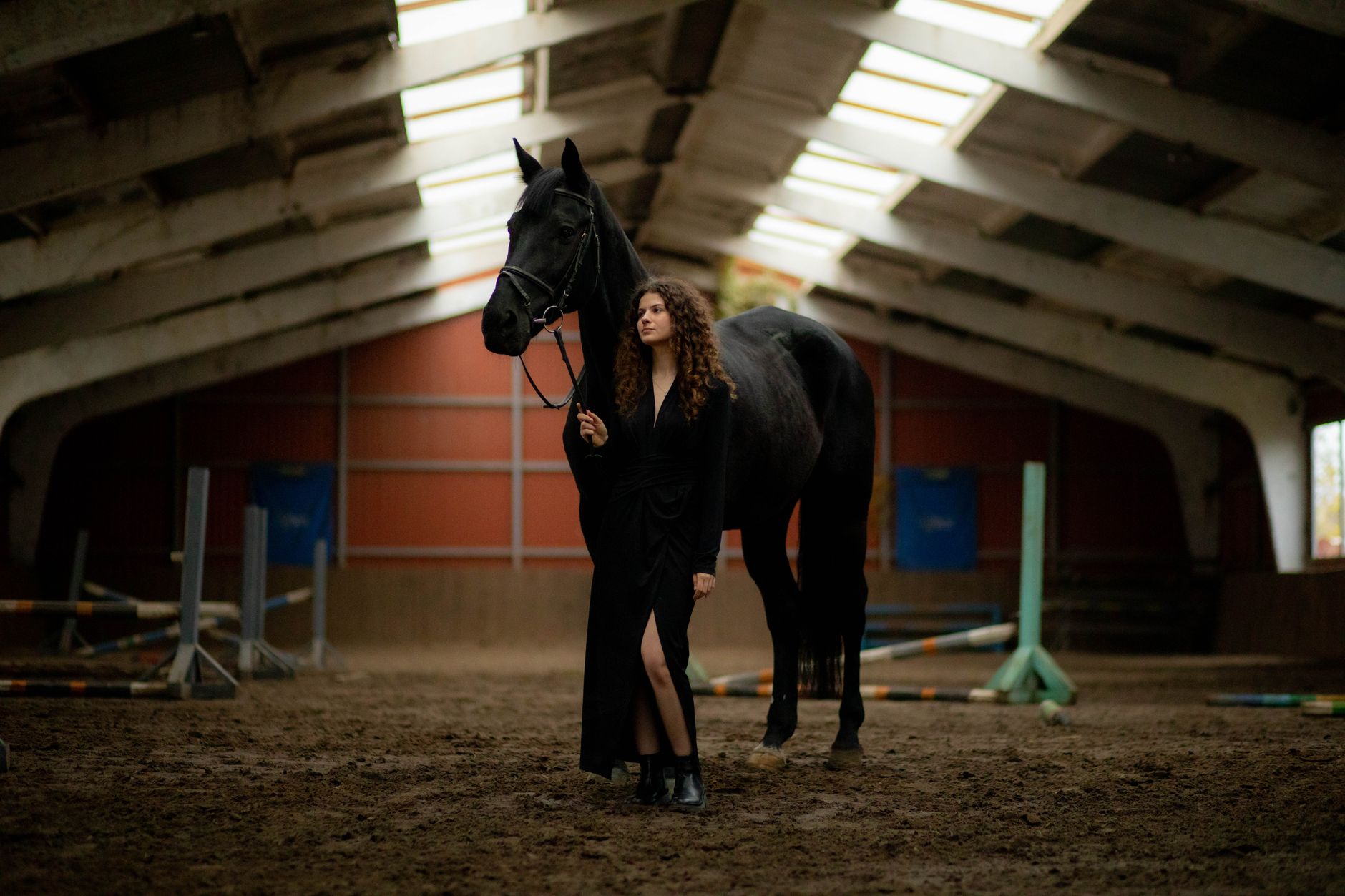
The relationship between sport-derived knee reinforcement and tailored trouser construction is broader than any single equestrian reference – fencing breeches, cycling shorts, and competition rowing gear have all contributed structural ideas to contemporary leg construction. What polo breeches bring specifically is the roll – the three-dimensional raised panel that changes the trouser’s profile from the side, not just the front. That profile distinction is what makes the detail legible at a distance, and why designers working with strong silhouette language keep returning to it. A trouser that reads as structured from across a room does not require architectural volume or exaggerated proportions. Sometimes a carefully placed seam and forty meters of consistent topstitching are enough.