

When Equestrian Hardware Meets Tailoring
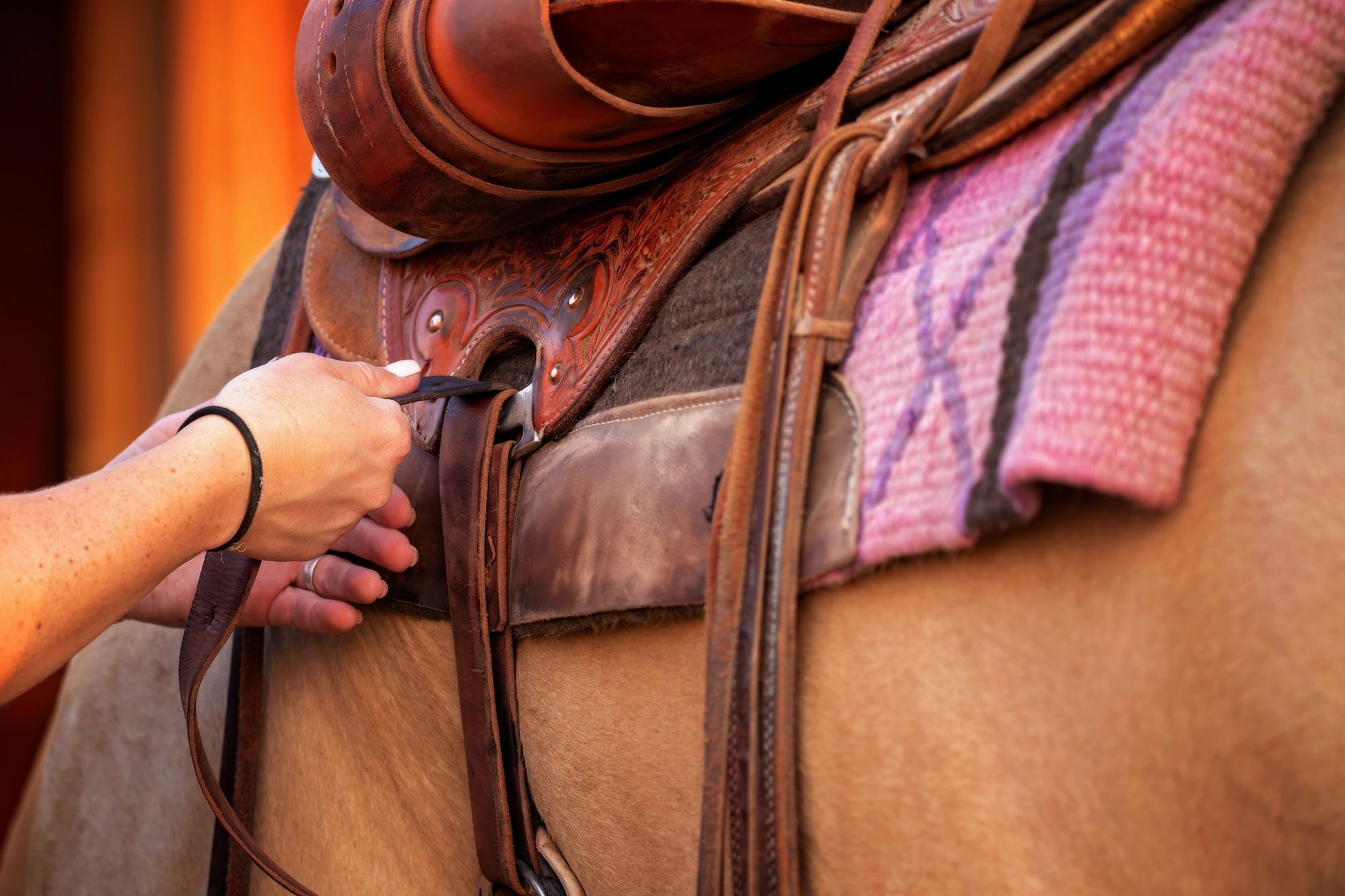
The saddle flap billet strap – that flat, punched leather tab used to secure a horse’s girth to the saddle – has spent centuries doing quiet, utilitarian work in the polo arena. Nobody outside of equestrian circles paid it much fashion attention. Now, that specific piece of hardware is showing up on structured trousers as a waistband fastening detail, and the crossover is less surprising than it first appears. Polo culture has always maintained a tight relationship with tailored dressing, and the functional vocabulary of stable equipment has periodically leaked into civilian clothing for well over a hundred years.
What makes the current iteration different is precision. Designers are not simply borrowing the visual language of equestrian sport – they are lifting the exact construction logic of billet straps and applying it to trouser tabs with the same attention to hole spacing, leather width, and buckle weight that a saddler would use. The result sits somewhere between sportswear hardware and bespoke tailoring, and that tension is exactly what is generating interest on runways and in street style circles right now.
The Anatomy of a Billet Strap Tab
A polo saddle’s billet straps are typically cut from vegetable-tanned leather, punched with evenly spaced holes, and secured through a steel or brass roller buckle. The proportions are deliberate – narrow enough to thread through billets on the saddle panel, wide enough to distribute girth pressure without cutting. When that same construction appears on a trouser waistband, those proportions carry forward almost unchanged. The tab sits flat, the buckle sits close to the body, and the punched holes create a clean linear detail that reads as both technical and elegant.
On structured trousers – whether high-waisted wool flannels, riding-cut breeches, or contemporary wide-leg silhouettes – the billet strap tab replaces or supplements the traditional side adjuster. Instead of a fabric or canvas tab with a small D-ring, the leather billet version introduces visible texture and weight. That weight matters. A heavier tab communicates a different quality register than a slim canvas adjuster, and it pulls the eye to the waist in a way that emphasizes fit architecture rather than simply holding the trousers in place.
The buckle choice is where individual design voices separate. Some interpretations use traditional brass roller buckles lifted almost directly from tack suppliers. Others use polished steel center-bar buckles for a more austere, contemporary reading. A growing number of brands are experimenting with antique-finish hardware that reads closer to vintage military or hunting attire than to modern polo, which speaks to how broadly the equestrian reference point can stretch before it stops being recognizable.
Why Structured Trousers Are the Right Vehicle
Billet strap tabs do not work on every trouser silhouette. They require structure – a waistband with enough body to support the weight of leather and metal hardware without pulling or distorting. That structural requirement naturally filters the trend toward tailored cuts: high-waisted trousers with interfaced waistbands, riding-inspired breeches with reinforced seat panels, and wide-leg suiting trousers with built construction. Softer, unstructured trousers in jersey or linen would buckle literally under the hardware weight, which is why the trend has stayed anchored to the tailored end of the market.
There is also a proportional logic at work. The billet strap tab, when placed on a wide waistband – say, two inches or more – reads as a design statement. On a narrow waistband, the same tab can look oversized or awkward, like a saddle accessory placed somewhere it was never meant to go. Designers working with this detail successfully tend to widen their waistbands to accommodate it, which in turn reinforces the high-waisted, structured silhouette that dominates tailored dressing right now. The hardware and the silhouette are shaping each other.
The Cultural Logic Behind the Crossover
Polo as a sport sits at a specific intersection of athletic performance and social ritual. The clothing associated with it has always been required to do double duty – functional enough for vigorous play, presentable enough for the clubhouse. That dual obligation produced a design tradition that prioritizes clean lines, durable materials, and restrained hardware. When fashion draws from that tradition, it is drawing from a vocabulary that already knows how to be both serious and refined at the same time.
The structured trouser has its own parallel history in tailoring – the side adjuster tab existed precisely because belt loops were considered informal, even slightly working-class, in early twentieth century suiting. Adjusters were the gentlemen’s solution. Billet strap tabs arrive in that same tradition, replacing a fabric adjuster with something that carries explicit equestrian authority. For anyone who reads that history, the detail lands with layered meaning. For anyone who does not, it simply reads as interesting hardware on a well-made trouser, which is also a valid outcome.
Street style adoption is accelerating the detail’s reach beyond its tailored origins. Billet strap tabs are appearing on wide-leg trousers styled with workwear boots, on high-waisted riding breeches worn with oversized outerwear, and on formal suiting trousers pulled into more relaxed weekend contexts. Each styling context shifts the reference point slightly – away from the polo field, toward something more layered and personal. That flexibility is what gives a hardware detail genuine staying power versus a brief runway moment. This connects loosely to the same structural referencing seen when protective equipment construction informs panel shaping in tailored skirts – sport-derived structure finding a natural home in civilian dressing.
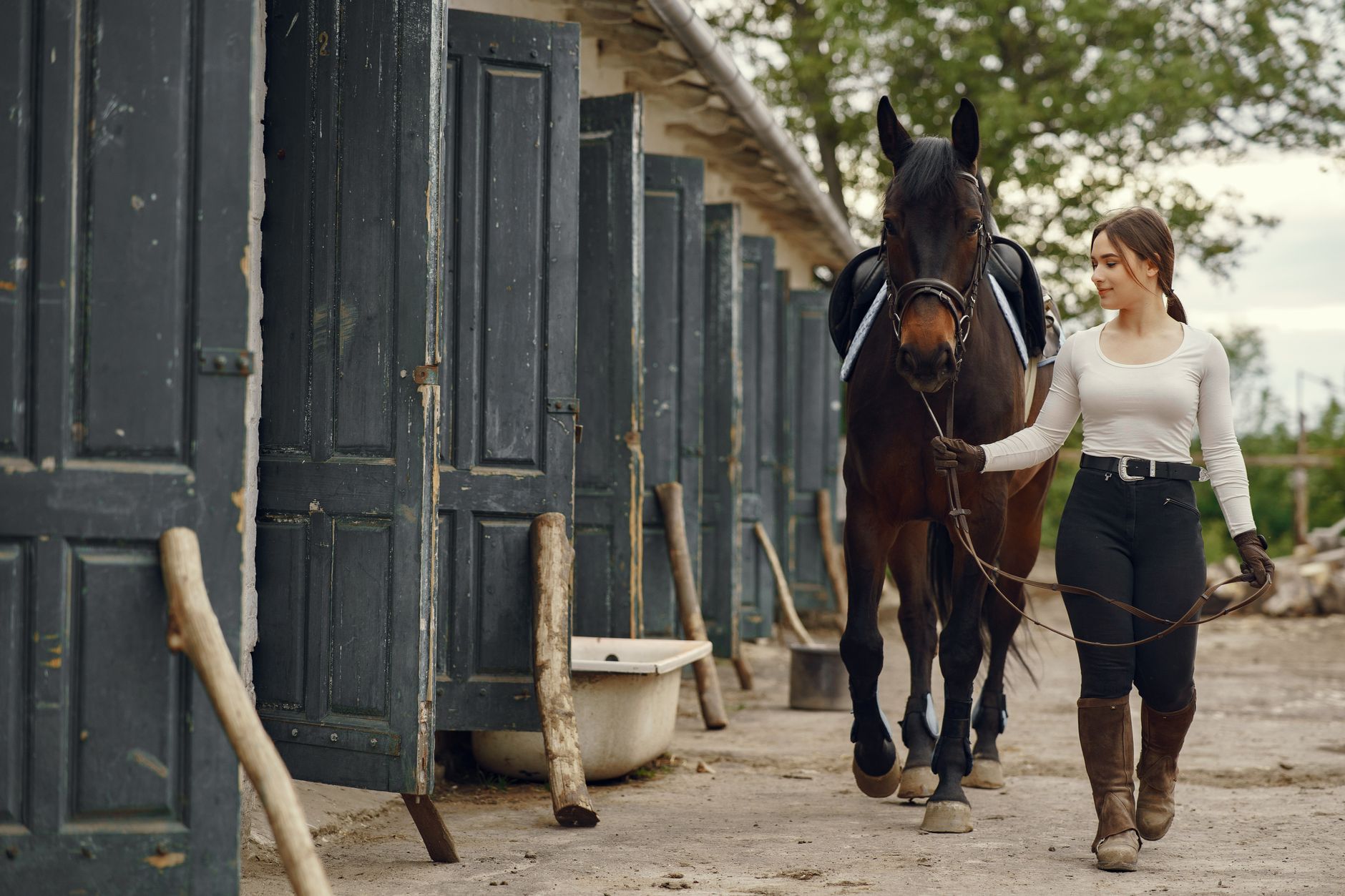
What the billet strap tab resists, though, is casual dilution. The detail requires quality leather and properly weighted hardware to read correctly. Cheap imitations in bonded leather or lightweight zinc alloy buckles flatten the construction into costume, losing the functional honesty that makes the original reference worth borrowing. That material threshold is effectively a quality filter built into the trend itself – and it is keeping the most interesting versions of this detail in a price bracket where craftsmanship is still a baseline expectation, not a marketing claim.
Frequently Asked Questions
What is a polo saddle flap billet strap?
It is a flat, punched leather tab used to secure a horse’s girth to a saddle, traditionally made from vegetable-tanned leather with a brass or steel roller buckle.
How are billet strap tabs used on trousers?
They replace or supplement the traditional side adjuster tab on structured trouser waistbands, using the same leather and buckle construction drawn from equestrian tack.