

The Quiet Hardware Taking Over Minimalist Belts
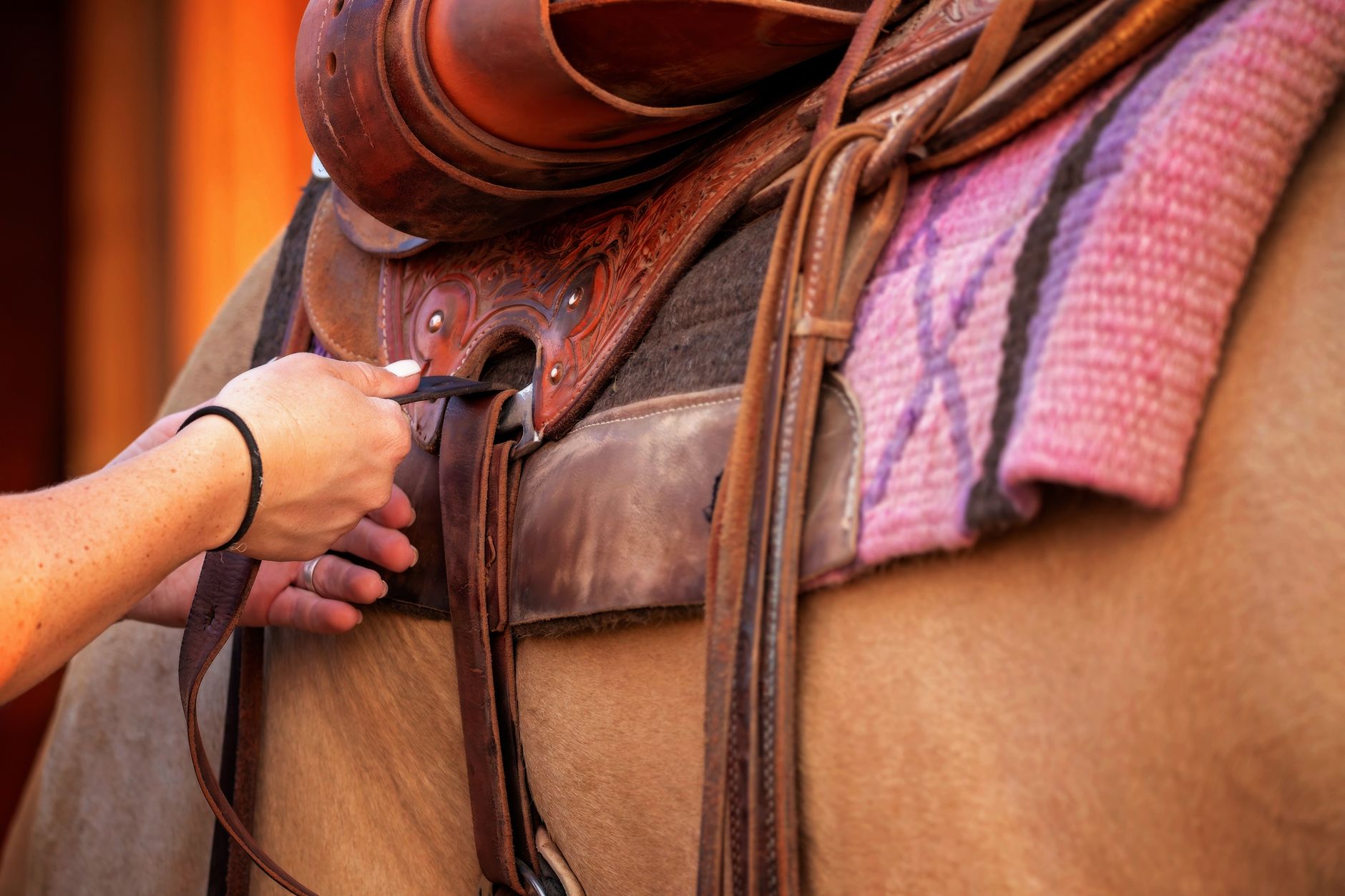
Polo club saddle flap dee ring loops – the small, D-shaped metal fixtures originally designed to secure straps on equestrian saddles – are showing up in a distinctly unexpected context. Accessory designers working in the minimalist lane are lifting this specific hardware form directly from equestrian gear and applying it to belt construction, where it functions both structurally and aesthetically. The result is a fastening detail that reads as restrained and precise rather than decorative, which is exactly the point.
The dee ring loop is not new hardware. In polo and dressage equipment, it has served a practical purpose for well over a century: anchoring flaps, securing billets, and distributing tension across leather panels without adding visual bulk. The loop itself is simple – a flat D profile, usually cast in solid brass or stainless steel, seated in a folded leather keeper. What changes when that detail migrates to a fashion belt is context, not construction. The hardware remains honest about its function, which is precisely why designers drawn to utilitarian minimalism are reaching for it now.
This is a hardware trend built on structural logic, not nostalgia for equestrian aesthetics.
Why This Hardware Works for Minimalist Design
Minimalist belt design has spent years navigating a specific tension: how to make a fastening feel intentional without making it feel decorative. The standard resolved approach has been the single-bar frame buckle or the simple pin-and-hole system – both honest, both clean. The dee ring loop adds a third option that sits closer to the frame buckle in visual weight but carries different associations. Where the frame buckle reads as fashion hardware, the dee ring reads as working hardware that has been elevated by material quality and placement rather than by surface treatment.
The structural case for using dee ring loops on belts is straightforward. A dee ring seated at the saddle flap position – roughly at the junction where a belt panel meets the adjustment zone – distributes the lateral pull of wear across a broader leather surface. This reduces the stress concentration that causes single-pin holes to stretch out over time. For belts made in vegetable-tanned leather or full-grain cowhide, that distribution matters because these leathers stiffenand develop character rather than simply wearing out, and the hardware should be able to keep pace with the material over years of use.
Proportionally, the dee ring loop also solves a problem that oversized buckle hardware creates on narrow or medium-width belts: the hardware face overwhelms the leather rather than accenting it. A dee ring loop, particularly when cast in a low-profile flat brass or oxidized steel, sits within the belt plane rather than projecting from it. The silhouette stays slim. The eye travels along the leather, not toward a focal point of chrome or enamel.
How Designers Are Adapting the Detail
The translation from equestrian saddle to fashion belt is not purely literal. A number of independent leather goods makers are adapting the dee ring loop format while adjusting its proportions and finish to suit contemporary wardrobe contexts. The most direct adaptation keeps the folded leather keeper intact but reduces the ring gauge so the hardware reads as refined rather than rugged. Finishes currently favored include matte antique brass, brushed gunmetal, and raw steel left to patina naturally – all finishes that recede rather than announce themselves.
Some makers are positioning the dee ring loop at the front belt face, using it as the primary fastening point with a simple tongue-and-ring threading system rather than a traditional buckle pin. This approach strips the belt down to its most elemental components: one strip of leather, one loop of metal, one threading motion. The fasteningbecomes part of the styling exercise, visible and deliberate rather than tucked behind a buckle frame. Worn with a slim trouser or a relaxed linen shirt, the exposed hardware has a distinctly considered quality without approaching anything that reads as maximalist.
Others are placing the dee ring loop as a secondary detail – a keeper loop at the back panel or a pass-through anchor at the adjustment end – while using a simpler front closure. In this configuration, the dee ring functions almost invisibly from the front but becomes a point of discovery when the belt is handled or examined closely. That kind of detail rewards attention without demanding it, which aligns with how minimalist dressing generally operates.
The Broader Material Context
The saddle flap dee ring’s rise in belt hardware sits alongside a growing interest in equestrian-sourced construction details across leather accessories. Bridle leather trims, saddlery-weight stitching, and harness-style riveting have all cycled through bag and belt design in recent seasons, each time filtered through a minimalist lens that strips away the sporting visual codes while retaining the structural DNA. The dee ring loop fits this pattern directly – it arrives with an inherent credibility tied to its working origins, and that credibility does not require explanation or branding to communicate.
For consumers building wardrobes around fewer, better objects, the provenance of construction details has become a meaningful factor. A belt fastened with hardware that traces to functional equestrian use carries a different implicit story than one fastened with hardware designed purely for visual effect. This is not about signaling equestrian lifestyle – it is about the quiet confidence that comes from wearing something built around a logical rather than decorative decision.
The dee ring loop’s staying power in this context will ultimately depend on whether the leather goods market sustains its appetite for utilitarian sourcing or retreats toward more overtly fashion-coded hardware. But for now, the detail has a functional argument that purely aesthetic hardware cannot make – and in minimalist dressing, a functional argument is its own form of luxury.
Frequently Asked Questions
What is a saddle flap dee ring loop?
It is a D-shaped metal fixture originally used in equestrian saddle construction to anchor leather flaps and distribute tension, now being adapted for fashion belt hardware.
Why are minimalist belt designers using dee ring loops?
Dee ring loops sit low-profile within the belt plane, distribute wear stress across a broader leather surface, and read as functional rather than decorative, which suits minimalist design principles.