


When Equestrian Sport Meets the Atelier
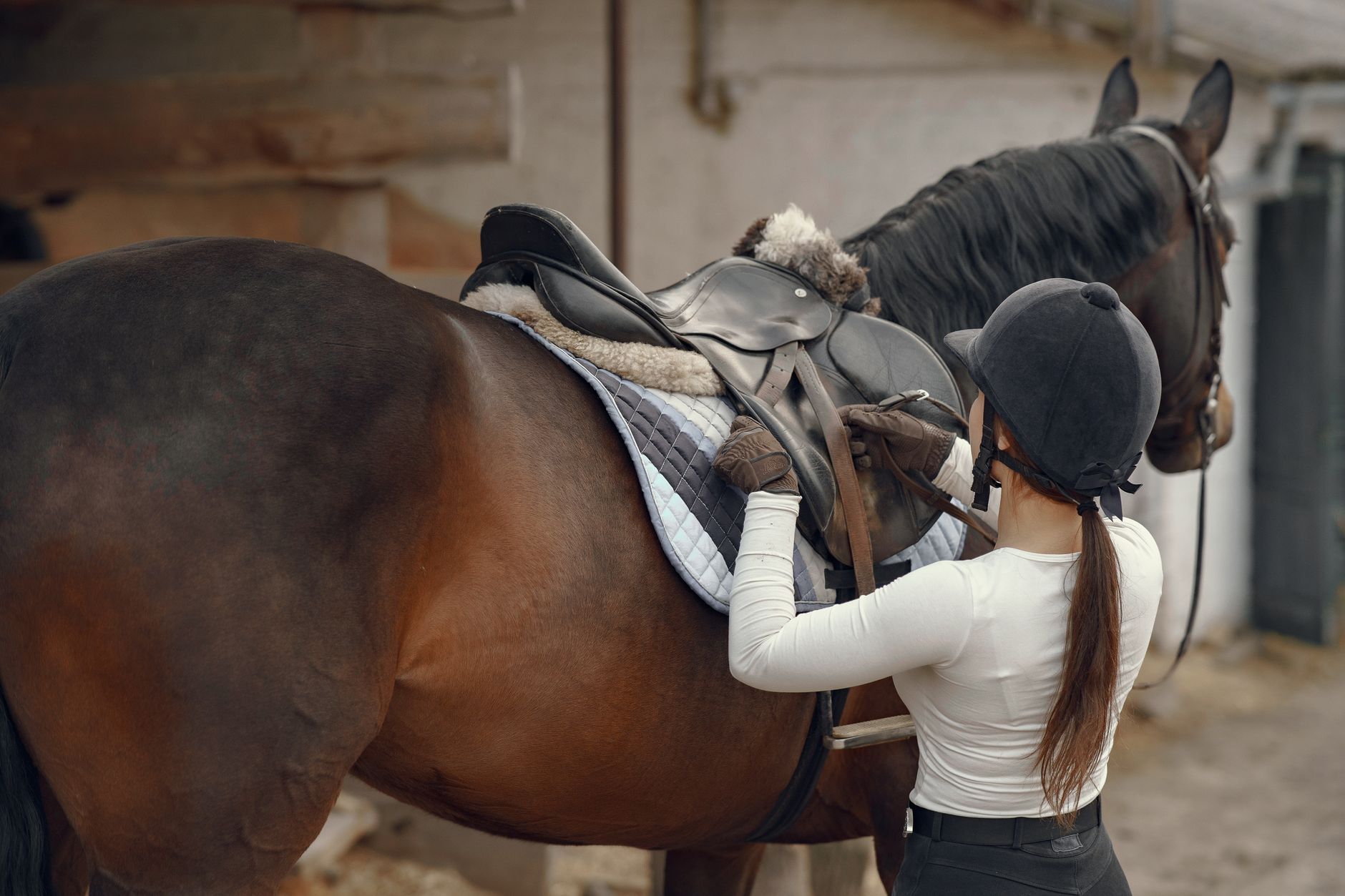
The saddle flap – that broad, stitched leather panel that sits between a rider’s leg and the horse’s side – has long been engineered for grip, durability, and subtle articulation of movement. What it was never designed for was a couture fitting room. Yet that is precisely where its geometry is now showing up, as a growing number of designers borrow its distinctive dart placement and curved seaming to give structure to fitted bodice panels in tailored womenswear.
The connection is not arbitrary.
Polo club saddle flaps are built around a specific problem: how to distribute tension across a curved surface so that the leather stays flat against the horse’s flank during lateral movement. The solution involves a series of angled darts radiating from a central axis, with curved seam lines that mirror the contour of a haunch. Strip away the context, and what you have is essentially a master class in three-dimensional pattern cutting – exactly the same challenge a bodice maker faces when trying to wrap a flat fabric around the curves of a human torso without puckering, pulling, or losing the clean line that defines proper tailoring.
The Technical Case for Cross-Discipline Borrowing
Traditional bodice dart placement follows a few well-established schools: bust darts from the side seam, waist darts from the hem, French darts that sweep diagonally from hip to bust. These work. But they also carry a visual vocabulary that signals formal wear, vintage silhouettes, or retro-leaning construction. Designers looking for a fresh structural language without abandoning precision tailoring are finding that the saddle flap’s radial dart system offers something different – a more active, sport-inflected geometry that reads as both technical and modern.
The specific innovation worth watching is how these darts are being adapted for stretch-woven fabrics and bonded panels, not just the stiff canvases and wools where traditional tailoring darts live. When a curved saddle-flap seam is applied to a ponte or a technical crepe, it creates a three-dimensional shell panel at the front of a bodice that holds its shape without boning or underlining. The structure comes entirely from the cut. That is a significant departure from how most tailored bodices achieve their form, and it makes the finished garment considerably lighter and easier to wear without sacrificing the visual sharpness of a fitted silhouette.
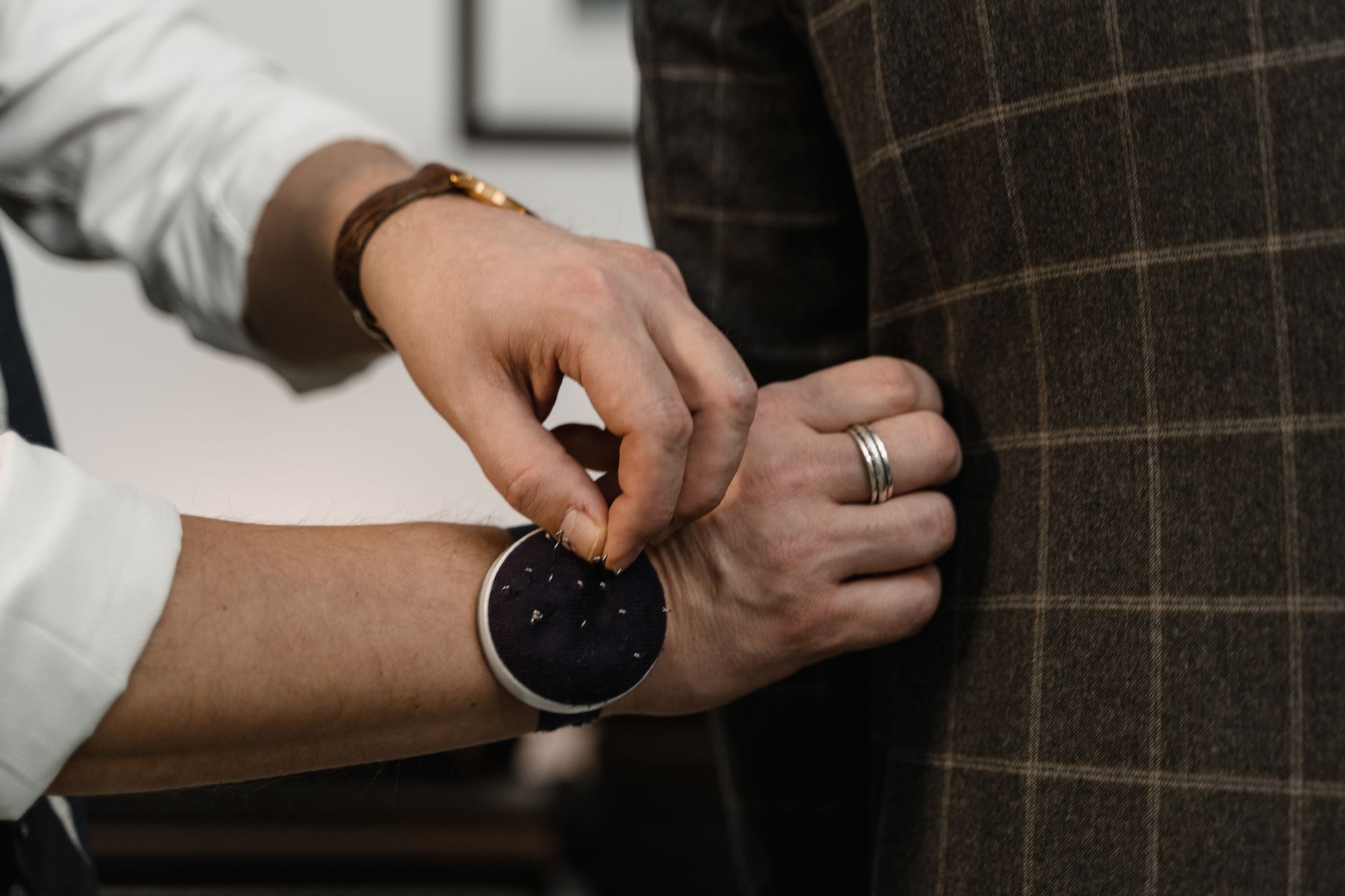
There is also a secondary detail that is easy to miss: the stitching itself. Saddle flaps in polo equipment are typically double-stitched in a contrasting thread along every seam and dart leg, a functional necessity for durability that also creates a visible map of the construction. Some designers are lifting this exact detail – topstitched dart legs in a slightly heavier thread weight, left visible on the face of the fabric – as an intentional design element rather than hiding the work inside the seam allowance. The result reads as confident and handcraft-adjacent, which is the precise aesthetic territory a lot of contemporary tailoring is trying to occupy right now.
How the Silhouette Is Actually Changing
The bodice panels emerging from this approach tend to sit closer to the body through the upper chest while flaring slightly away from the ribcage below the bust, mimicking the way a saddle flap curves out and then tucks back. This creates a fit that is neither the rigid column of classic suiting nor the soft drape of bias-cut garments – it sits in between, with a slightly athletic, braced quality that works across contexts from structured day dressing to eveningwear that wants to feel less ceremonial.
The skirt integration is where the polo reference gets more specific. In a traditional saddle flap, the lower edge is shaped into a soft curve or a squared tab that terminates at the stirrup bar – a distinct finishing line that separates the flap from the rest of the saddle. Designers working with this language are echoing that termination point in the transition from bodice to skirt, using a shaped hem at the waist seam that interrupts the expected horizontal line with a curved or angled panel edge. It is a subtle distinction but a visible one, and it changes how the eye travels from the upper to the lower body in a way that conventional waist seams simply do not.
For tailored pieces in particular – blazer-dress hybrids, structured midi skirts with attached bodice yokes, and fitted jackets with extended front panels – this shaped transition eliminates the horizontal break that can make a matching set look like two separate garments stacked on top of each other. The panel reads as continuous, the way equestrian leather reads as a single engineered surface rather than a collection of components.
A Construction Detail With Real Staying Power
Trends in technical construction tend to have longer shelf lives than surface-level aesthetic trends because they solve actual fit problems rather than just shifting a hemline or a shoulder. The saddle flap dart system works in a functional sense – it solves the same three-dimensional problem that made it useful on horseback, just applied to a different curved surface. That utility is what separates it from a passing reference to equestrian dress codes.
What remains unresolved is how far this borrows from the wider pattern of sport protective equipment informing structured garment construction before it becomes a recognizable signature with its own set of cliches. Once the radial dart and the visible topstitching become shorthand for a certain type of tailored piece, the next generation of designers will be looking to break it apart again.

For now, a bodice panel engineered on the geometry of a polo saddle flap is still specific enough to read as a considered reference rather than a trend tick – and structured enough to actually improve the fit of whatever it is attached to.