

When Equestrian Hardware Meets the Wrap Skirt
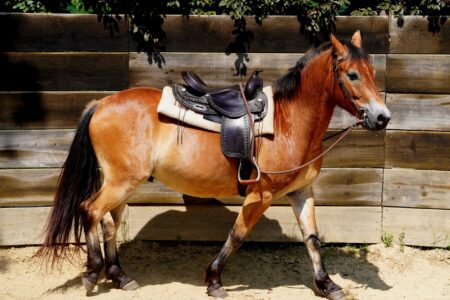
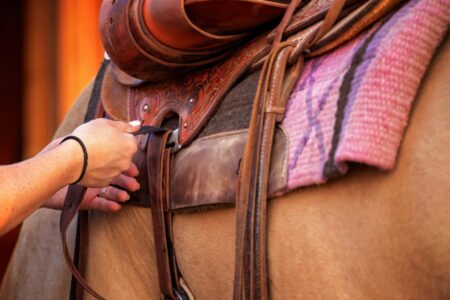
Saddle keeper loops – those small, functional leather tabs that secure excess strap on polo and dressage saddles – were never meant to become a fashion reference point. They exist to prevent flapping leather from interfering with a rider’s movement, holding tension without bulk. Yet that same principle, controlling a wrap without adding visual noise, is exactly what a growing number of structured skirt designers have started building into their waistband constructions.
The crossover is subtle enough that most wearers won’t identify the origin. A narrow fabric loop, stitched flat against the interior or exterior waistband of a wrap skirt, catches the overlapping panel and holds it under just enough tension to prevent the front from drifting open during movement. It’s a solution borrowed from tack rooms, now appearing in ready-to-wear collections and independent ateliers working in suiting-weight fabrics, bonded crepe, and structured wool blends.

The Engineering Behind the Loop
A polo saddle keeper loop works on a straightforward mechanical principle: the loop is positioned slightly inward from where the strap naturally wants to rest, creating a mild redirecting tension. It doesn’t clamp. It guides. Applied to a wrap skirt, the same logic holds. A single loop placed at the natural overlap point – roughly four to six inches from the front edge of the outer panel – creates a fixed anchor without requiring a hook, button, or snap that would interrupt the clean visual line of the wrap.
The skirts benefiting most from this construction are those cut in heavier fabrics that carry real weight. A silk wrap drapes and clings by nature, but a bonded wool or structured ponte wrap needs mechanical help to stay put. Without an anchor, the outer panel rotates with each stride, eventually revealing more than intended. The keeper loop solves this without any visible hardware on the exterior – which is precisely why designers working in tailored silhouettes have started reaching for it.
Placement matters enormously. Loops positioned too close to the waistband seam create an upward pull that distorts the drape. Loops set too low leave a section of unsecured fabric between the waistband and the anchor point, which still allows movement. The polo saddle reference point – locating the keeper at the natural bend or stress point of the strap, not arbitrarily – translates directly to skirt construction, where the equivalent stress point is wherever the outer panel crosses the hip bone during a normal walking stride.
Why Wrap Skirts Need This Now
The structured wrap silhouette has been gaining traction in workwear and occasion dressing for several seasons, with designers gravitating toward midi lengths in firm fabrics that hold a pressed edge. The appeal is the wrap’s inherent adjustability – a single skirt can accommodate a range of body shapes without grading multiple sizes. The liability has always been security. A wrap that opens unexpectedly undercuts the polished effect the structured fabric was meant to achieve.
This is where the keeper loop moves from novelty to genuine technical contribution. It extends the usefulness of the wrap construction into situations – commuting, extended wear days, fast-paced environments – where the wearer can’t periodically readjust. The loop is not a replacement for a well-cut wrap; it supplements the fit rather than correcting a poor one.
Construction Details That Define the Effect
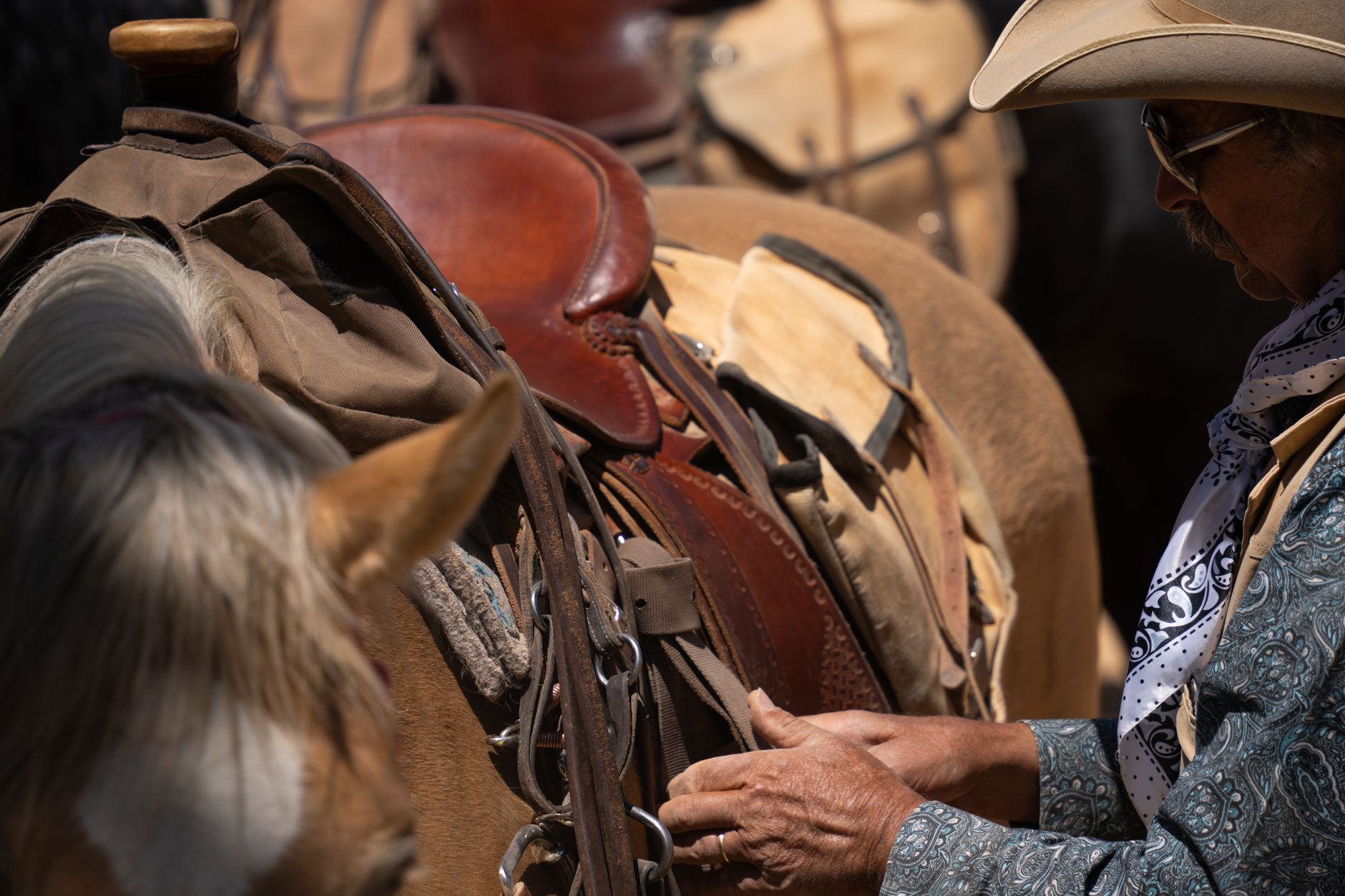
The loop itself requires careful fabric selection. On a polo saddle, keeper loops are cut from the same leather as the saddle body, ensuring consistent behavior under tension. The fashion equivalent follows the same rule: a loop cut from a different weight or weave than the skirt body will behave differently under the stress of movement, either pulling the outer panel at an angle or stretching out of position over time. Designers using this technique in bonded crepe skirts are cutting the loops from the same bonded panels, matching the directional grain precisely.
Stitching is the other variable. A keeper loop attached with a simple bar tack at each end – the same method used in quality jeans belt loops and saddle tack – distributes stress across a wider surface area than a single anchor stitch. This matters because the loop will absorb repeated lateral tension every time the wearer moves. Cheap versions attached with a single row of straight stitch tend to pull free from the waistband facing within a season of regular wear.
Some interpretations are placing the loop on the exterior waistband face as a visible design detail rather than hiding it inside. In that configuration, the loop reads as intentional hardware – a nod to the equestrian reference without costume-level literalism. It works particularly well in skirts cut from khaki, camel, or deep brown structured fabrics where the saddle association feels at home in the fabric palette. Saddle-derived structural details are appearing across several skirt construction techniques, but the keeper loop is arguably the most restrained application – it changes the way a skirt functions without announcing itself.
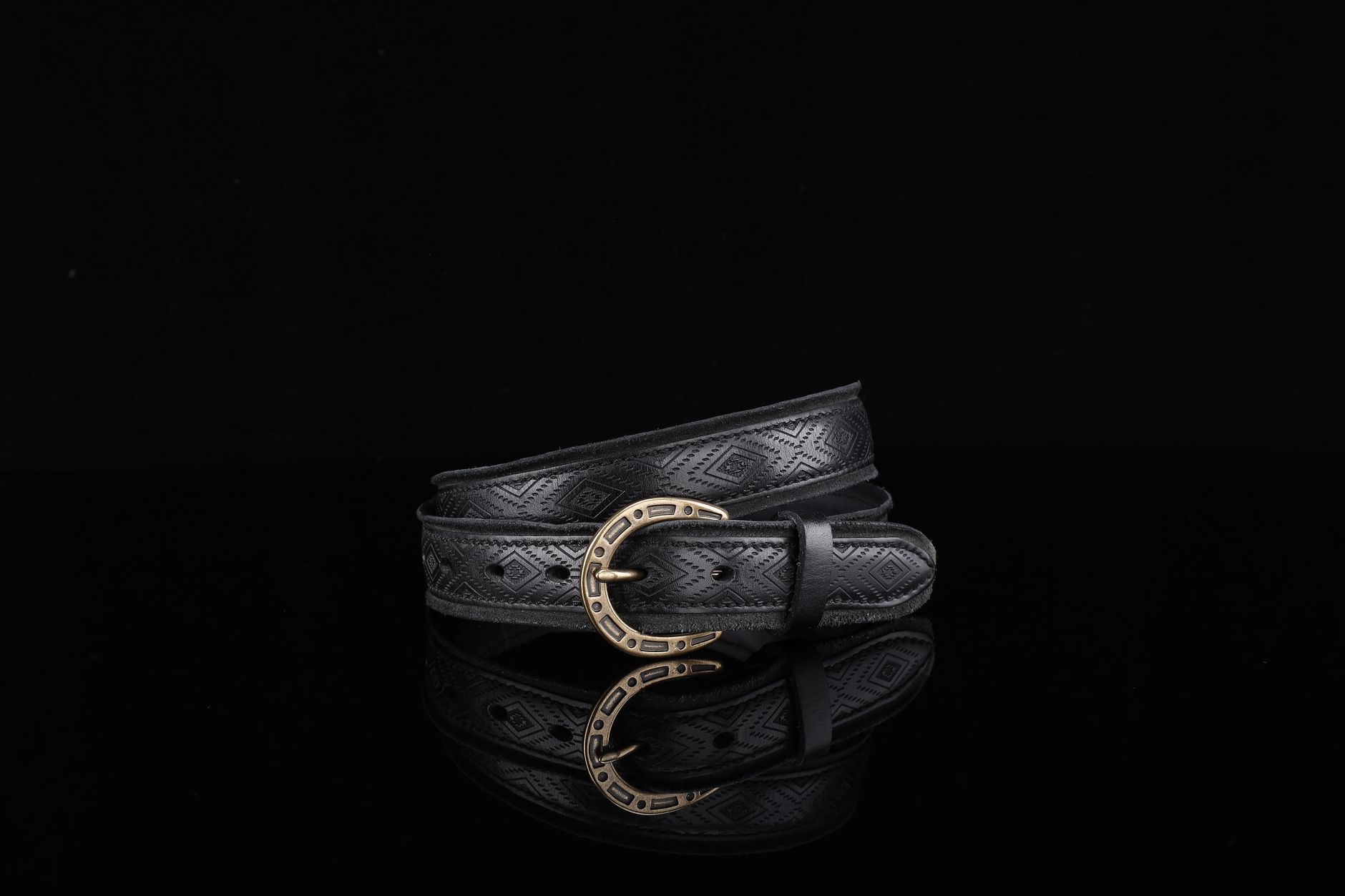
The version most likely to sustain commercial interest is the interior loop, hidden between the outer panel and the waistband facing, invisible when the skirt is worn. That invisibility is a feature rather than a limitation. It lets the skirt be sold on its cut and fabric rather than on the novelty of the equestrian detail, which means the construction improvement survives even when the trend conversation moves on. The question worth sitting with is whether this level of technical specificity – a solution this precise, borrowed from this niche a source – can actually travel into mass market production, or whether it stays contained to the makers paying close enough attention to tack construction to have found it in the first place.