


Where Equestrian Hardware Meets Street-Ready Headwear
The saddle pommel – that raised, arched front piece of an English or Western saddle – has always been a functional object, designed to give a rider grip and balance. It has never been decorative in any obvious sense. The leather wrapping, the stitching channels, the subtle curve of the arch: these are engineering details, not fashion ones. Which makes it stranger, and more interesting, that those exact details are now appearing on the trim of structured caps.
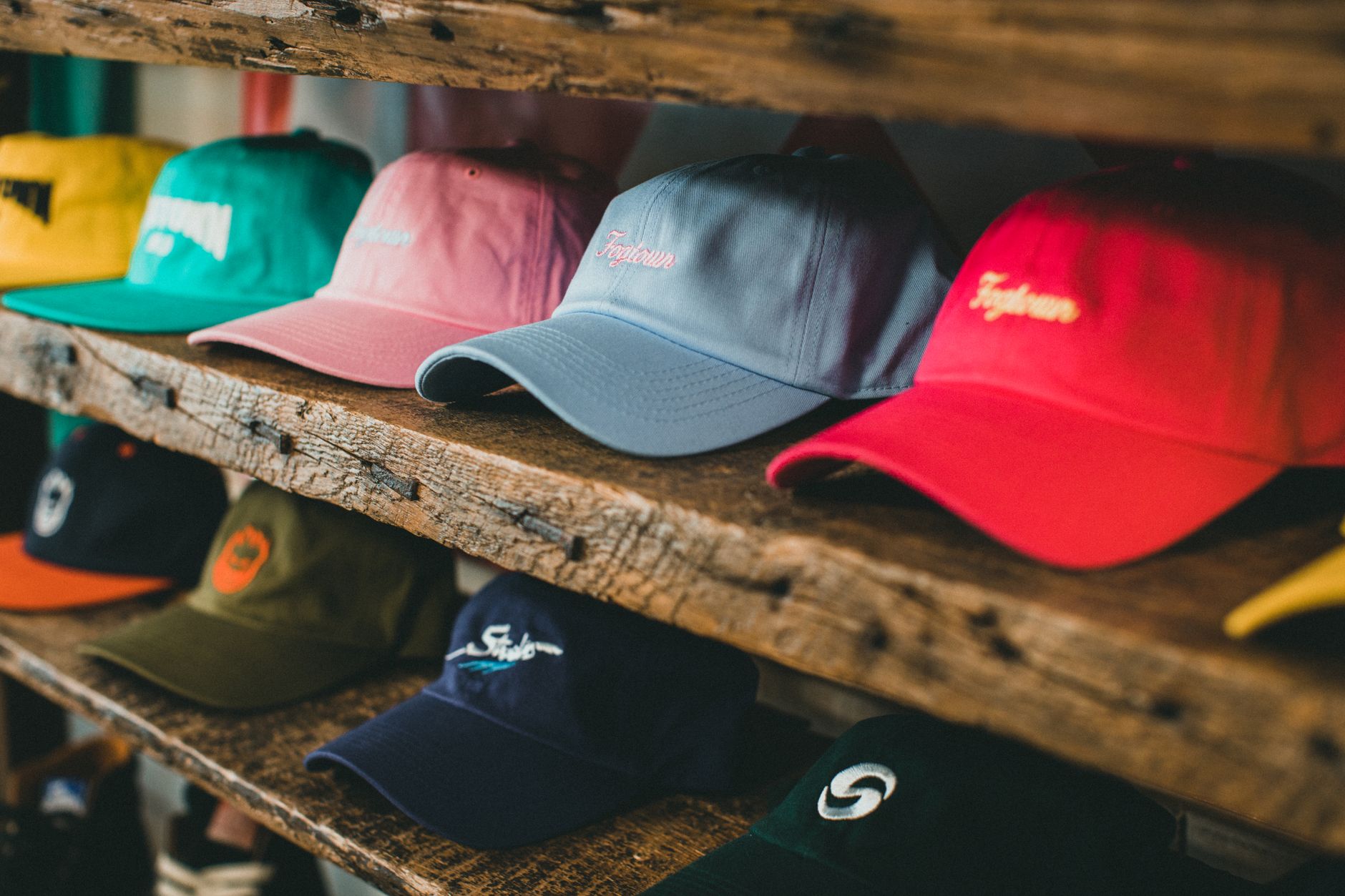
A growing number of accessories designers are pulling directly from polo and equestrian saddlery when constructing the peak trim on baseball caps and five-panel hats. The reference is specific: it is not a general “equestrian vibe” borrowed from riding boots or jodhpurs, but the actual material logic of pommel binding – thick, edge-stitched leather wrapping applied to a curved form – translated onto the bill of a cap.
This is a technical borrowing, not a mood board one.

The Anatomy of the Crossover
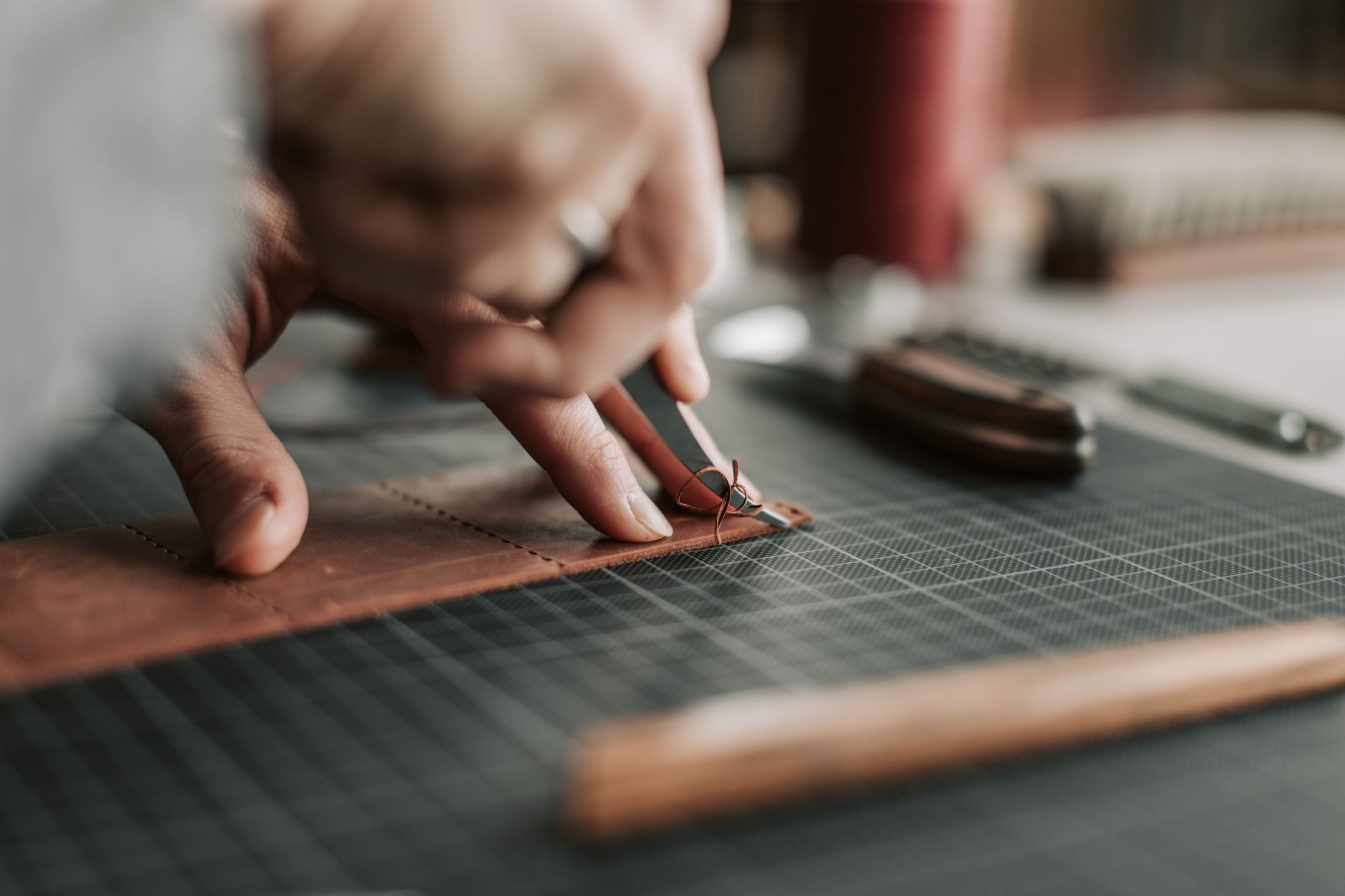
Pommel binding in traditional saddlery involves wrapping a firm leather strip around the leading edge of the pommel arch, securing it with a line of saddle stitch running close to the edge. The result is a clean, slightly raised border that protects the structure underneath while giving the piece a finished, almost architectural look. When applied to a cap peak, the same construction logic produces a bill edge that reads as intentional and heavy – not the soft raw edge of canvas or the thin piping found on most commercial caps.
The stitching detail is what signals the source. Saddle stitch – two needles passing through the same hole from opposite sides – creates a diagonal pattern when examined closely, and it sits differently on the surface than machine stitching. Designers working with this aesthetic are using it on cap peaks in vegetable-tanned leather or bridle leather, the same materials used in high-end polo equipment. The edge does not fold or flatten the way typical cap trim does. It holds its shape, keeps its rigidity, and ages with the same patina you would expect from a well-worn saddle.
Some versions go further, incorporating the channel stitching found on pommel necks – parallel rows of stitching that compress the leather slightly and create low ridges across the surface. On a cap peak, that texture reads as a kind of quiet luxury: nothing that announces itself loudly, but immediately recognizable once you know what you are looking at. It sits in the same territory as polo club knee roll construction migrating into structured toe caps – specialized equestrian hardware finding new form in everyday accessories.
Why This Aesthetic Works Now
Caps have been cycling through increasingly refined iterations for several seasons. The shift away from logo-heavy streetwear has pushed cap design toward material quality and construction detail as the primary differentiators. A cap that costs more now needs to show why it costs more – and raw material story or exotic colorways are no longer enough on their own. Construction logic, the kind that comes from functional craft traditions, gives a piece a reason to exist beyond trend.
Polo and equestrian equipment is a reliable source for that kind of logic because it was always built to perform under real physical stress. The binding on a pommel has to survive a rider’s weight shifting repeatedly across it, friction, weather, and years of use. When that construction method appears on a cap, the durability argument transfers even if the use case does not. You are not riding a horse. But the leather edge on your cap was designed by people who thought about what leather does when it is worked hard.
There is also a specificity to this reference that separates it from broader equestrian borrowing. Polo references in fashion often go wide – the color palette of polo shirts, the open-collar silhouette, the general association with a certain kind of leisure wealth. Pommel binding as a trim detail is narrow enough that it does not carry those cultural associations in any obvious way. It reads as craft knowledge rather than class signaling, which is exactly where a certain kind of accessories buyer wants to land right now.
The Cap as a Craft Object
What this trend ultimately asks is whether a cap can carry the same material seriousness as a shoe or a bag. For a long time, the answer in mainstream fashion was no – caps were casualwear, logo carriers, athlete accessories. The current appetite for small leather goods with visible construction history is changing that framing. A cap peak finished with genuine saddle-stitched bridle leather trim costs as much to produce as a quality belt, and increasingly, buyers are treating it the same way: as something to keep, to condition, to watch develop a surface over years.
The pommel binding detail will not stay obscure for long. Once a construction method gets picked up by a few independent accessories labels and begins circulating through the corners of the market where buyers are paying close attention, it moves. The question is not whether it reaches wider distribution – it will – but whether the detail survives that journey intact, or gets reduced to a printed approximation on synthetic trim that captures the look without the logic behind it.