

When Equestrian Engineering Meets Corset Construction
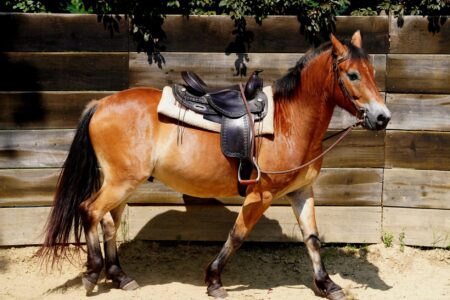
The gullet channel – that narrow, arched void running along the spine of a polo saddle’s tree – exists for a single mechanical purpose: to protect a horse’s vertebrae from pressure during hard riding. It distributes weight laterally, creates clearance, and holds the saddle’s rigid architecture in balance. Fashion designers have borrowed from equestrian hardware before, but the gullet channel’s very specific geometry is now showing up somewhere entirely unexpected: inside the boning channels of structured corset side panels.
This is not a casual aesthetic lift. The borrowing is structural.
What is happening across a growing number of ready-to-wear and bespoke corsetry labels is a direct translation of saddle tree engineering into bodice construction. The arched, load-bearing profile of the gullet channel – wide at the top, narrowing through the center, flaring again below – mirrors the natural curve of the human torso in a way that flat boning never quite managed. Corset makers who have studied equestrian saddle construction are applying the same weight-distribution logic to how boning sits against the ribcage, and the fit results are measurably different from anything conventional corset patterning produces.
The Architecture Behind the Silhouette
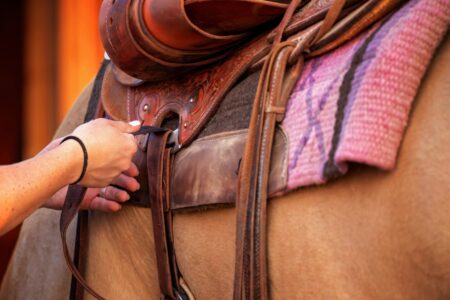
A saddle tree is the rigid internal frame that gives a saddle its shape, and the gullet channel is carved into it to create a tunnel of negative space along the spine. The channel is not merely a gap – it has walls, a calculated width, and a curved trajectory that follows the horse’s back. When corset designers adapt this idea, they are essentially creating a boning channel that is not straight but contoured, not flat against the fabric but slightly proud of it, forming a miniature architectural vault along the side seam of a bodice.
Traditional corset boning runs in vertical lines and relies on the tension between bones and fabric to create compression. The saddle-tree approach inverts some of that logic. By shaping the channel itself – giving it depth and curvature rather than just width – the boning sits within a structure that already approximates the body’s shape before any lacing tension is applied. The result is a garment that begins to fit before it is even closed. For wearers who find standard corsets uncomfortable at the side panels, where flat boning digs into the soft tissue beneath the arm, the gullet-channel method creates a relief zone that functions almost identically to how the equestrian original protects a horse’s withers.
The side panel is where this technique makes the most visual difference. Structured corset side panels have always been the hardest section of any bodice to tailor cleanly – the body curves in multiple directions here, and the fabric must manage that complexity without pulling, puckering, or flattening the natural silhouette. A channel modeled on the gullet’s arched geometry handles those multi-directional forces the way a well-fitted saddle tree does: by preemptively accommodating them rather than fighting against them. The panel holds its shape under movement, which is why the technique is attracting interest from designers working in eveningwear and performance-adjacent fashion simultaneously.
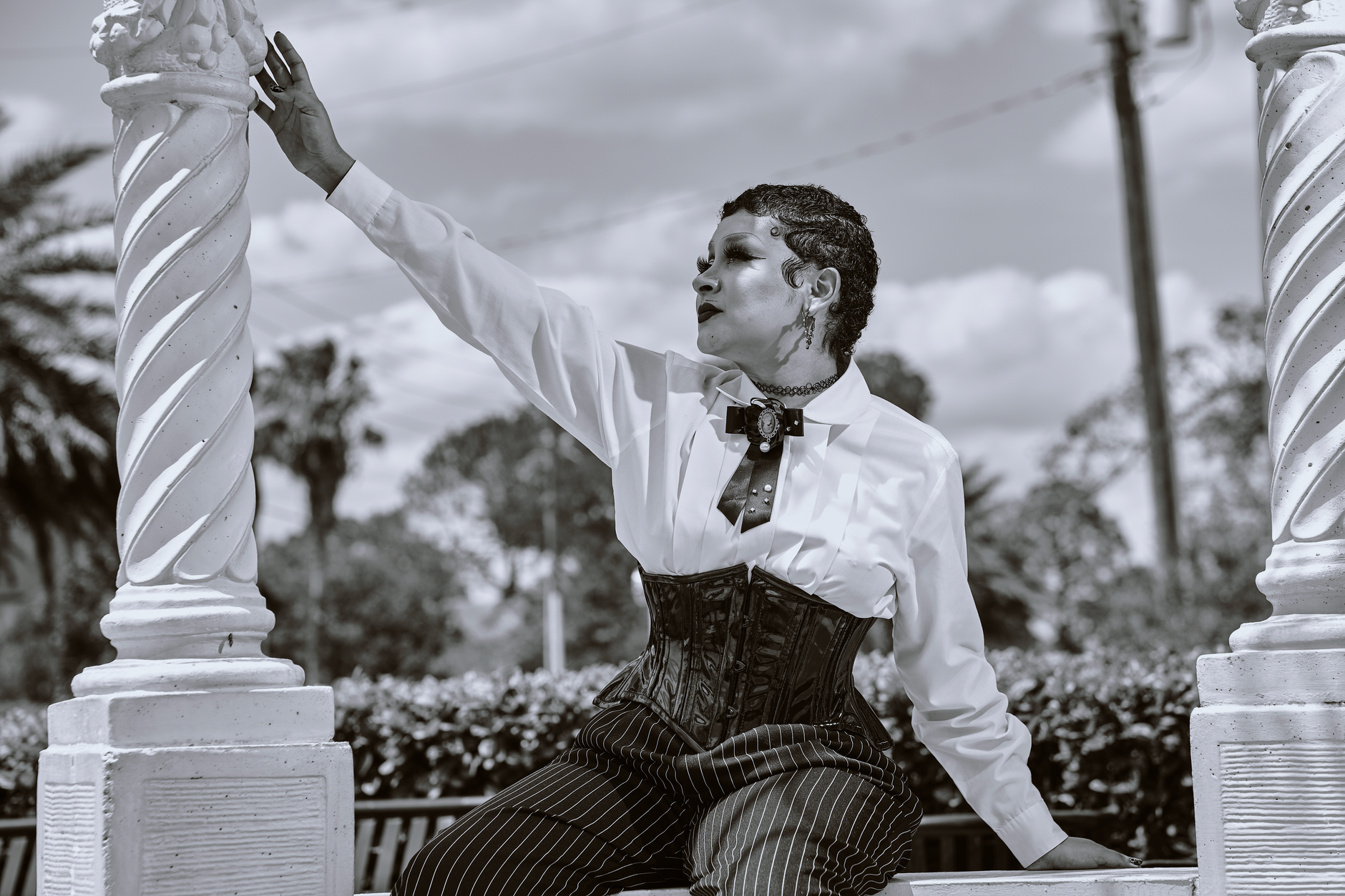
Why This Particular Crossover Is Landing Now
Equestrian style has cycled through fashion regularly enough that most trend observers can predict its surface returns – the riding boot, the show jacket, the polished belt. But this current moment is different because the influence is not visual, it is engineering-driven. A generation of designers who trained in pattern cutting and construction rather than styling are looking at functional objects from outside fashion and asking structural questions rather than aesthetic ones. The polo saddle, as an object, is one of the most precisely engineered pieces of leather craft in existence, refined over more than a century of competitive riding. Its interior logic is a natural resource for anyone serious about garment construction.
Corsetry specifically is having a technical renaissance. The renewed interest in bodice structure – visible across red carpets, editorial shoots, and the broader return of fitted suiting – has pushed designers to solve old problems with new approaches. Flat-bonded corsets, even beautifully made ones, have a ceiling on their comfort and a ceiling on how precisely they can follow an individual body. The gullet channel concept offers a way past both ceilings by introducing depth into what has historically been a two-dimensional construction problem. Some designers working with bespoke clients have begun fitting corset side panels the way a saddler fits a tree to a horse’s back – taking measurements not just of width but of curvature, and then shaping the channel accordingly before a single bone is inserted.
The polo context is also relevant in terms of material culture. Polo saddles are built for extreme lateral movement – the rider’s body shifts dramatically side to side during play, and the saddle must accommodate that without losing its structural integrity or its fit. The same demand applies to a corset worn for dancing, performing, or any event requiring sustained physical engagement. A side panel boned with gullet-channel geometry does not collapse inward or ride upward the way a traditionally boned panel can under stress. This is the practical argument beneath what could easily be dismissed as a niche construction experiment, and it is why the technique is beginning to appear not just in couture workrooms but in conversations about activewear-adjacent corsetry.
Corset construction’s intersection with equestrian precision also connects to related work happening in structured skirt design – polo saddle cantle geometry is already influencing how structured midi pleats are engineered, a parallel conversation about how equestrian hardware translates into garment architecture.

A Construction Detail That Changes the Whole Panel
The reason this technique spreads quietly rather than loudly is that it is invisible from the outside. A corset bodice finished with gullet-channel side panel boning looks, to a casual observer, like any other well-made structured garment. The difference lives in the wear experience – the absence of pressure points, the way the panel tracks the body through movement, the fact that the silhouette holds at hour six the way it held at hour one. Fashion rarely rewards invisible craft with immediate attention, but invisible craft is what keeps a technique circulating through workrooms long after a trend has faded, because the people who make things keep returning to what actually works.