

Where Equestrian Gear Meets Minimalist Design
Polo club spur straps – those narrow, purposeful bands buckled around a rider’s ankle to secure the spur to the boot – have spent over a century in near-total anonymity. They exist to do a job: hold metal in place, withstand pressure, and disappear functionally into the rhythm of the sport. Now, that exact quality is making them interesting to a very different audience. Designers and independent accessory labels are lifting the spur strap’s silhouette directly off the paddock and placing it around bare ankles, sandal straps, and the hems of wide-leg trousers.
The appeal is not accidental. Minimalist fashion has been circling the idea of “functional object as ornament” for several seasons – zippers worn decoratively, buckles placed where they serve no structural purpose, hardware used as punctuation rather than infrastructure. The spur strap fits neatly into that logic. It reads as sparse and deliberate. It carries the quiet authority of something that was never designed to be pretty.
The Anatomy of the Strap Itself
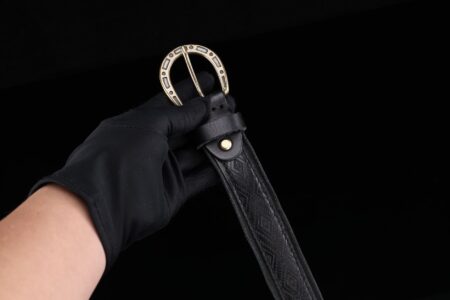
Traditional polo spur straps are simple objects. A strip of leather – usually vegetable-tanned, occasionally bridle leather for stiffness – runs beneath the boot’s heel and fastens with a single roller buckle or a two-part keeper system on the outer ankle. Width varies between roughly half an inch and one inch. The finish is almost always matte. The hardware is typically nickel or brass, never polished to a high shine because reflective metal can distract horses. That restraint in material and finish is exactly what translates well when the strap moves off the boot entirely.
When worn as a standalone ankle band – without a boot, without a spur – the strap reads as an almost architectural detail. The buckle sits at the outer ankle bone, which is a placement that photographers and stylists have noticed creates a strong visual anchor at the base of the leg. The band itself is narrow enough not to read as a cuff but present enough to register as an intentional choice. That calibration between visible and understated is genuinely difficult to achieve with most jewelry.
How the Silhouette Is Moving Into Wearable Fashion
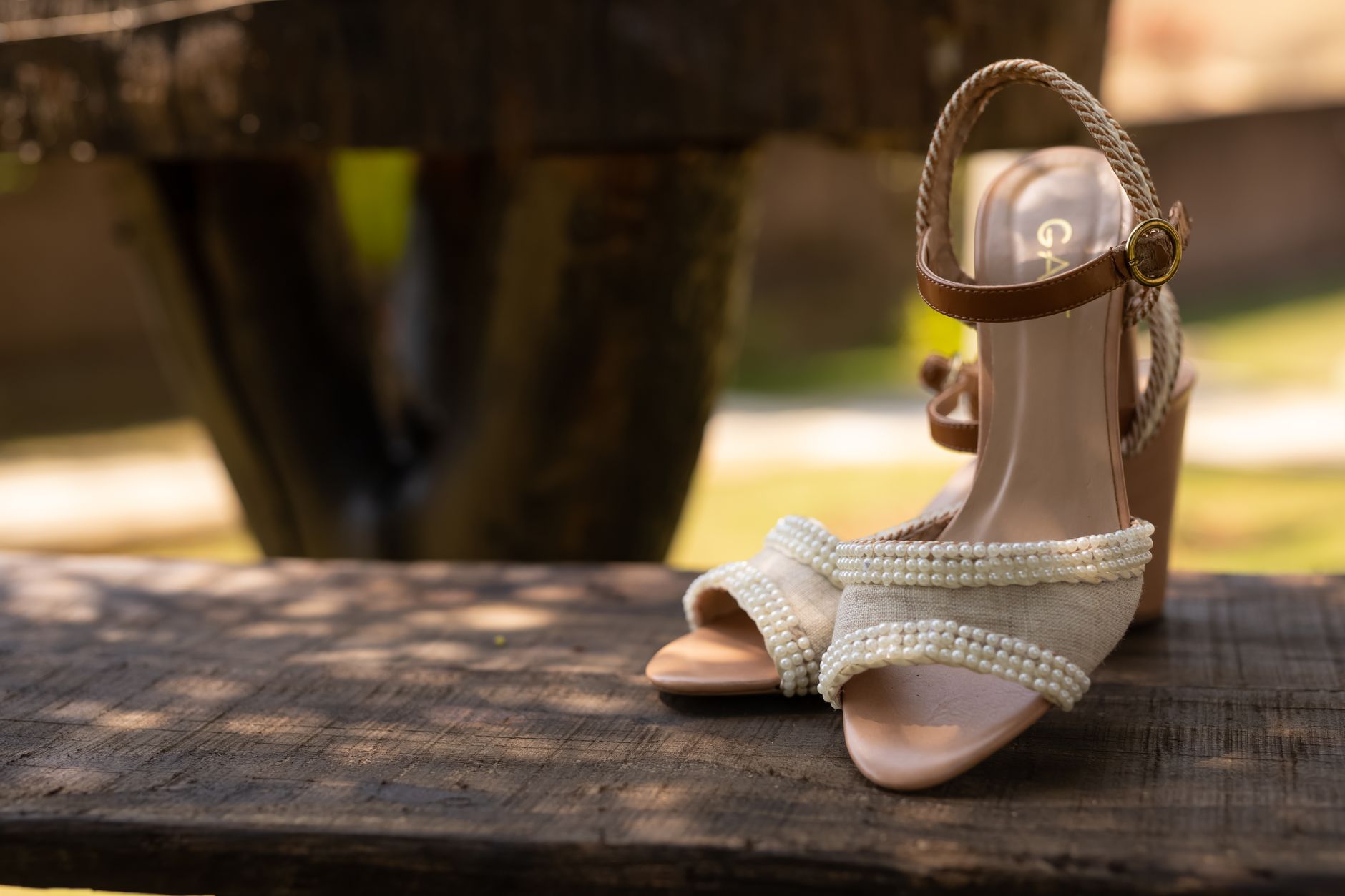
A growing number of small leather goods studios – particularly those working in the space between equestrian heritage and contemporary minimalism – are producing ankle straps that borrow the spur strap’s proportions directly. The single buckle, the narrow profile, and the heel-pass construction are all present. What changes is the context: these are being styled over bare skin, over the ankle of a wide trouser, or layered over the strap of a simple sandal.
The layering application is worth examining closely. When a thin spur-style band is buckled over an existing sandal strap, it creates a kind of visual binding that references both equestrian dress and the wrapped-ankle silhouette that has appeared consistently across resort and spring collections for the past few years. The effect is more structured than a chain anklet and less costume-adjacent than a full equestrian boot. It occupies a specific middle space that very little other jewelry or footwear detail manages to reach.
Colorway choices are also contributing to the trend’s staying power. Most interpretations are staying within a tight palette – raw tan leather, dark chocolate, black with antique brass hardware. There is no version of this trend that involves painted or embellished straps, which is part of why it reads as a design movement rather than a novelty. The restraint is the point.
The construction itself has also attracted interest from people who approach dressing as a form of craft appreciation. Vegetable-tanned leather, hand-cut edges, and individually set roller buckles are details that reward close inspection. Wearing something with that level of material honesty around the ankle – an area of the body that rarely receives this kind of attention – creates a quiet contrast with the throwaway quality of most mass-market accessories.
The Styling Logic Behind the Ankle Placement
Ankle accessories occupy an odd position in contemporary dressing. They are visible enough to register but rarely the focal point of an outfit, which means they tend to function as signals to people who are already paying close attention. The spur strap’s adoption into minimalist wardrobes follows that same register. This is not a trend that announces itself. It is noticed by the person standing close enough to see the buckle placement and the edge finishing on the leather.
That quality – legible to those who know, invisible to those who don’t – has historically made equestrian-adjacent accessories resilient. The riding belt, the paddock boot, the canvas and leather tote associated with stable work: all of these have cycled through fashion’s attention precisely because they carry meaning for one audience and read simply as well-made objects to another. The spur strap is following the same path.

The Tension Between Heritage and Appropriation
There is a legitimate question about what it means to lift a piece of functional equipment from a sport with significant class and cultural associations and wear it purely as ornament. Polo itself is a sport with a narrow and specific demographic reality in most of the countries where it is played at a high level. The spur strap carries that context whether the wearer intends it or not. Some people will find that history adds depth to the object. Others will find it a reason to keep a distance.
What is less ambiguous is the design quality of the object itself. The spur strap arrived at its current form through decades of practical refinement. Nothing about it is decorative by origin. The width, the buckle type, the placement of the heel pass – all of it was determined by function. That is a different starting point from most fashion accessories, which are designed outward from aesthetics and then given practical properties as a secondary consideration. Sport-to-style translation is a pattern worth watching: when functional objects move into fashion, the most convincing results tend to keep the original proportions intact rather than softening them into something more immediately palatable.
The version of this trend that is likely to hold is the one that keeps the hardware simple, the leather uncoated, and the buckle functional rather than decorative. The moment the roller buckle becomes a logo plate or the leather gets a lacquer finish, the whole logic of the object collapses. What makes the spur strap worth wearing is the same thing that made it worth building in the first place – it does exactly what it needs to do and nothing else.